
table of contents
Data Security & Risk Management: A Data Protection Officer’s Guide
Data security and risk management are not just buzzwords in today’s digital landscape; they’re the cornerstones of trust and operational integrity. As a Data Protection Officer (DPO), you’re the linchpin, the person tasked with navigating the complex maze of data privacy regulations and safeguarding sensitive information. This guide provides a comprehensive overview of the crucial responsibilities that define this role. Whether you are a seasoned DPO or a newcomer to the field, understanding these areas is essential for building a robust data protection program. This is your playbook for success.
1. Introduction: The Vital Role of a Data Protection Officer
The DPO’s role is critical. They are the guardians of data privacy, ensuring that an organization adheres to data protection laws and regulations. In an era where data breaches are rampant and the consequences can be devastating—both financially and reputationally—the DPO’s work is more important than ever. This role requires a deep understanding of data protection principles, technical expertise, and strong communication skills. A good DPO isn’t just enforcing rules; they are building trust and confidence in their organization’s data handling practices.
Think of the DPO as the chief architect of the data privacy framework. They don’t just build the walls; they also ensure the foundation is strong, the blueprint is followed, and the inhabitants (users) feel safe. Without a DPO, the data security ship is sailing without a rudder, vulnerable to the storms of non-compliance and data breaches. Your work goes beyond mere compliance; it protects individuals’ rights, promotes transparency, and ultimately supports the business’s success.
2. Developing and Implementing Data Protection Policies and Procedures
The foundation of any successful data protection program is a well-defined set of policies and procedures. These documents act as the organization’s internal law, providing clear guidelines on how data is collected, used, stored, and disposed of. As a DPO, you are at the helm of crafting these critical documents.
2.1. Crafting Comprehensive Policies
Policies should cover all aspects of data processing, from data collection and storage to data sharing and deletion. It’s important to ensure that the policy is compliant with applicable data protection laws, such as GDPR, CCPA, or other relevant regional or industry-specific regulations. Policies must be clear, concise, and easily understandable by all employees, not just the legal or IT teams. This includes having specific guidelines for data retention, data security incident response, and third-party data processing.
Consider your data protection policy as your organization’s data constitution. It should be reviewed and updated regularly to reflect changes in the law, industry best practices, and the organization’s operations. Ensure that the policies align with the organization’s business goals, reflecting the organization’s commitment to protecting personal information. This is your chance to set the tone for a secure data environment, and the policies need to reflect that.
2.2. Implementing Procedures for Day-to-Day Operations
Procedures are the practical “how-to” guides that operationalize your policies. Procedures should detail the steps employees need to take to comply with data protection policies in their daily work. These can range from the simple (e.g., how to encrypt emails) to the complex (e.g., how to respond to a data breach). Your policies can be amazing, but they’re useless if they aren’t translated into actionable steps.
Procedures must be documented, easily accessible, and regularly updated to ensure they remain effective. These should cover everything from data access controls and data transfers to data disposal practices. Consider integrating procedures into existing workflows to make compliance as seamless as possible. Provide regular training and practical exercises to reinforce procedures and help ensure that all employees understand and follow them consistently.
3. Data Security Risk Assessment and Management
Data security risk assessment is about identifying vulnerabilities and threats, estimating their potential impact, and taking steps to mitigate those risks. Think of it as the ongoing evaluation of your organization’s defensive structure, looking for weak spots. This process is key to preventing data breaches and maintaining the confidentiality, integrity, and availability of data.
3.1. Identifying Vulnerabilities and Threats
The first step is to identify the vulnerabilities in your data processing activities. These vulnerabilities can be technical (e.g., outdated software, weak passwords), procedural (e.g., inadequate access controls, poor data disposal practices), or organizational (e.g., lack of employee training, insufficient oversight). You need to perform regular penetration testing, vulnerability scanning, and employee interviews to identify potential threats.

Identify the potential threats that could exploit those vulnerabilities. Threats can come from various sources, including cyberattacks, insider threats, human error, and natural disasters. Consider using threat modeling to systematically analyze potential threats and their impact on your data security. Document all identified vulnerabilities and threats in a risk register, which is your go-to document for tracking risks.
3.2. Implementing Risk Mitigation Strategies
After identifying vulnerabilities and threats, the next step is to implement strategies to mitigate those risks. This might include implementing technical controls (e.g., firewalls, encryption, intrusion detection systems), procedural controls (e.g., access controls, data backup and recovery plans, incident response plans), and organizational controls (e.g., employee training, data governance frameworks). The aim is to reduce the likelihood of a data breach and minimize its potential impact.
Prioritize your mitigation efforts based on the likelihood and impact of each risk. Implement a risk management framework to track your mitigation efforts, measure their effectiveness, and provide regular updates to management. Remember that risk management is an ongoing process; it needs continuous monitoring and adjustment to adapt to changing threats and vulnerabilities. This involves regular review and updates to ensure the effectiveness of your security measures.
4. Data Subject Rights Management
Data subject rights are fundamental to data protection. Individuals have the right to access, rectify, erase, and restrict the processing of their personal data. It is your job as DPO to ensure that these rights are respected and upheld by the organization. This requires a combination of effective policies, well-defined procedures, and responsive data management practices.
4.1. Handling Subject Access Requests (SARs)
SARs are requests from individuals asking to access their personal data. You must have a clear process in place for handling SARs, including how to verify the identity of the requester, locate the requested data, and provide it to the individual in a timely manner. This should also include the ability to search all the data.
Ensure your process is transparent, user-friendly, and in line with the law. The process should outline timelines for response, what information will be provided, and any exceptions that might apply. Train staff on how to recognize, handle, and respond to these requests properly, as well as how to document them. Maintaining a log of all SARs can also help with compliance and oversight.
4.2. Managing Data Erasure and Rectification
Individuals have the right to have their data erased or rectified. You must have procedures for handling data erasure requests, ensuring that personal data is securely and permanently deleted when requested or when the retention period expires. Additionally, you must have a process for correcting inaccurate personal data promptly.
Establish clear procedures for data erasure that include identifying where the data is stored, securely deleting it, and documenting the deletion. Likewise, your data rectification procedure must outline how to update the inaccurate information, notify relevant parties, and document the changes. This needs to be a process that can be easily initiated.
5. Data Breach Response and Reporting
In the unfortunate event of a data breach, your role shifts into crisis management. A prompt and effective response can minimize damage, protect individuals, and maintain the organization’s reputation. Your primary task is to ensure the company responds swiftly, transparently, and in accordance with legal requirements.
5.1. Preparing for a Data Breach
The best way to handle a data breach is to be prepared for one. A comprehensive incident response plan is essential. The plan should outline the steps to be taken in the event of a data breach, including how to identify, contain, eradicate, recover from, and learn from the incident. A well-prepared plan can significantly reduce the impact of a breach.
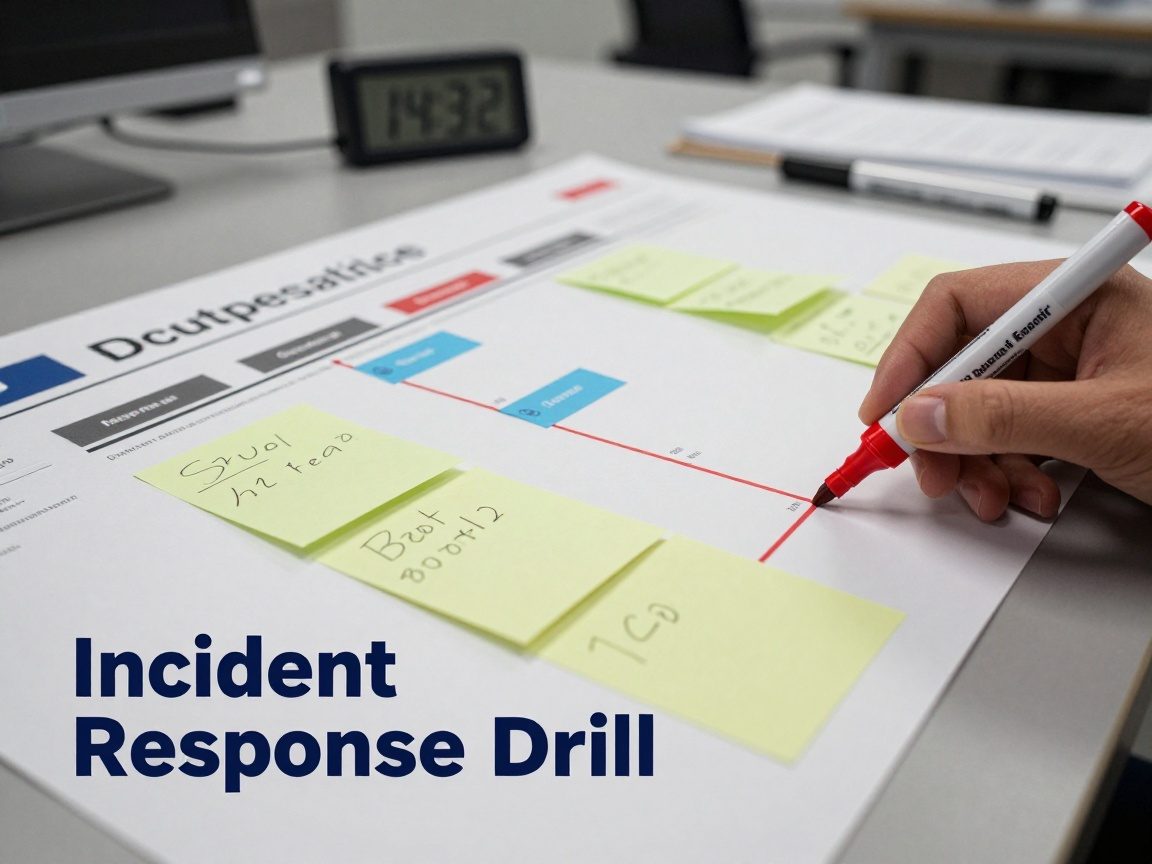
Conduct regular tabletop exercises and simulations to test your incident response plan and identify any weaknesses. Ensure that your plan is reviewed and updated regularly to reflect changes in your organization, the threat landscape, and legal requirements. This includes setting up procedures for internal and external communications, as well as having a team ready to respond to these situations.
5.2. Notifying Authorities and Affected Parties
Depending on the severity of the breach, you may be required to notify data protection authorities and affected individuals. Develop clear protocols for determining when notification is required, the content of the notifications, and the timelines for notification. You are responsible for coordinating this action.
Ensure you know the specific notification requirements under applicable laws. This may involve working with legal counsel and other experts to determine the scope of the breach, assess the risks, and create the appropriate notifications. Maintain records of all notifications, including the date, content, and recipients. Timeliness and transparency are key here.
6. Data Protection Training and Awareness
Data protection is not just the responsibility of the DPO; it is a shared responsibility across the entire organization. Regular training and awareness programs are critical to ensure all employees understand their roles and responsibilities regarding data protection. This is about equipping your staff.
6.1. Designing Effective Training Programs
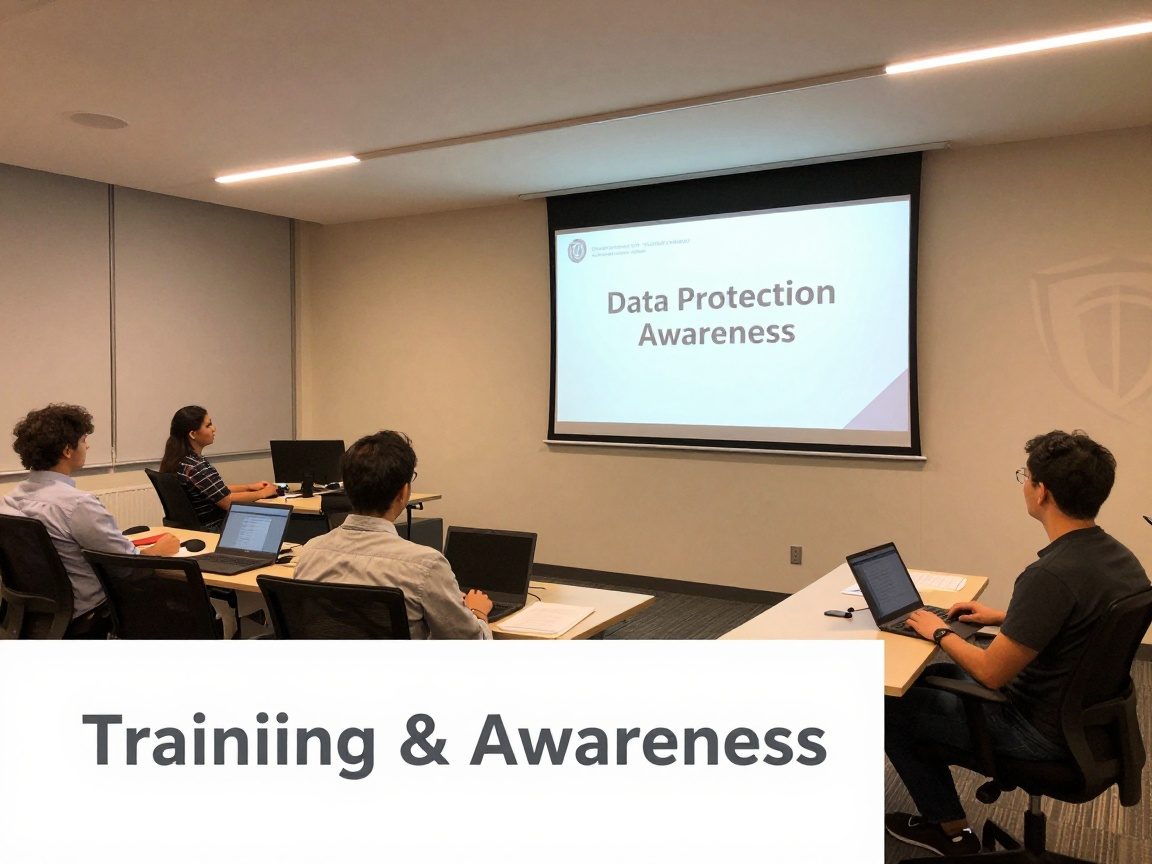
Your training programs need to cover the basics of data protection, including key concepts like data privacy principles, data security, data subject rights, and the organization’s policies and procedures. The training should be engaging, practical, and tailored to different roles within the organization. Consider using a variety of formats, such as online courses, in-person workshops, and simulations.
Make sure that your training programs are updated regularly to reflect changes in the law, industry best practices, and the organization’s operations. Also, you must track training completion and assess the effectiveness of the training to improve. Don’t forget to provide the material and knowledge.
6.2. Fostering a Culture of Data Protection
Go beyond just providing training, and work to create a culture of data protection within your organization. This involves encouraging employees to be proactive about data protection, promoting a sense of responsibility, and celebrating successes. The objective is to establish a team of data protection advocates.
Recognize and reward employees who demonstrate good data protection practices. Regularly communicate updates on data protection to all employees, using various communication channels like newsletters, intranet posts, and company meetings. Encourage employees to report potential data breaches or security incidents promptly.
7. Data Protection Audits and Monitoring
Regular audits and monitoring are critical to verifying the effectiveness of your data protection program and ensuring that it is aligned with legal and regulatory requirements. This will allow you to identify any areas of non-compliance and address them. This is your chance to refine your work.
7.1. Conducting Regular Audits
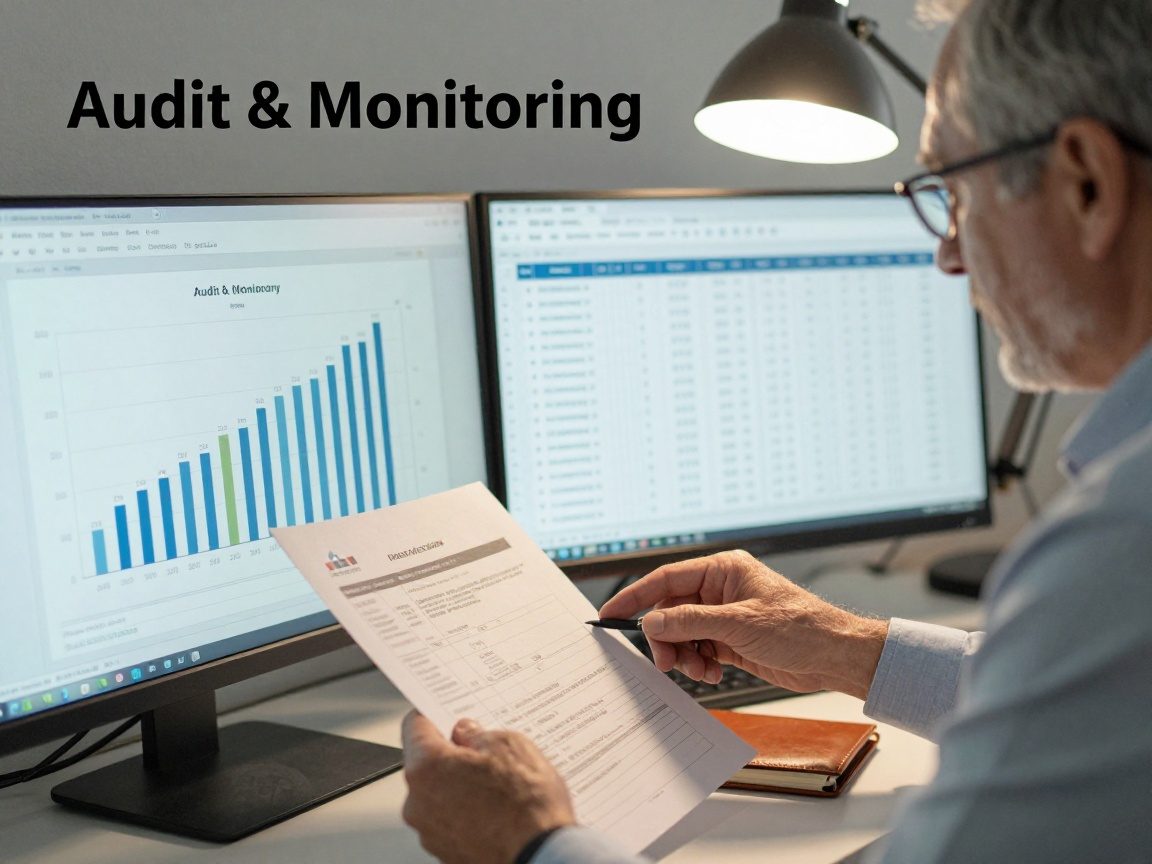
Data protection audits should be conducted regularly to assess the effectiveness of your data protection program. These audits should cover all aspects of your program, including policies and procedures, data security measures, data subject rights management, and data breach response. They are how you evaluate the effectiveness of your programs.
Develop an audit plan that outlines the scope, frequency, and methodology of your audits. Use checklists and templates to ensure that your audits are comprehensive and consistent. Document the audit findings and recommendations, and track the progress of any remediation efforts.
7.2. Monitoring Data Processing Activities
Monitoring is the ongoing process of observing and evaluating your data processing activities to identify potential risks and ensure compliance. This can include monitoring data access logs, reviewing data security incidents, and conducting regular vulnerability scans. This will also allow you to watch data changes.
Implement monitoring tools and processes to track data processing activities, including data access, data transfers, and data modifications. Regularly review the results of your monitoring efforts to identify any anomalies or potential issues. Use these findings to make improvements to your data protection program and to inform your risk management efforts.
8. Collaboration and Communication
You will need to interact and work with various stakeholders inside and outside your organization. This communication and collaboration are important to ensure data protection is a priority for everyone involved. As a DPO, you are also a liaison.
8.1. Working with Internal Stakeholders
Effective collaboration with internal stakeholders, such as IT, legal, HR, and business units, is essential. You should work closely with these teams to develop, implement, and maintain your data protection program. Also, ensure that everyone knows what they need to know.
Build strong relationships with key stakeholders by keeping them informed of developments in data protection and seeking their input on relevant matters. Participate in cross-functional meetings, and provide regular updates on the progress of your data protection program. Be proactive in addressing any data protection concerns raised by stakeholders.
8.2. Communicating with External Parties
Your communication with external parties, such as data protection authorities, vendors, and customers, is crucial for building trust and maintaining compliance. This includes sharing information with external parties. You should have a plan for communication.
Be transparent with data subjects about how their personal data is collected, used, and protected. Respond promptly and professionally to inquiries from data protection authorities and other external parties. Ensure that all vendor contracts include appropriate data protection clauses and that your vendors comply with applicable laws and regulations.
9. Staying Updated on Data Protection Legislation and Best Practices
The landscape of data protection is always evolving, with new laws, regulations, and best practices constantly emerging. As a DPO, you must stay current with these developments to ensure your organization remains compliant and protects its data effectively. Continuing education is very important here.
9.1. Monitoring Regulatory Changes
Stay up to date on the latest developments in data protection law by monitoring regulatory bodies, industry publications, and legal updates. Set up alerts for changes in legislation and actively engage in online groups and forums. It is a great place to share information.
Attend industry conferences, webinars, and training sessions to stay informed of new trends and developments. Develop relationships with legal experts and other professionals in the field to exchange information and insights. This will help you refine the process.
9.2. Adopting Industry Best Practices
In addition to staying up-to-date on the law, it is important to adopt industry best practices. Consider implementing frameworks such as ISO 27001, NIST Cybersecurity Framework, and Privacy by Design. Follow these frameworks to create a high-quality plan.
Benchmark your data protection program against industry peers to identify areas for improvement. Continuously seek out new and innovative ways to improve your data protection practices. This might include implementing new technologies, adopting new procedures, or providing additional training for your staff.
10. Conclusion: Championing Data Security in the Digital Age
As a Data Protection Officer, you are a key player in the digital landscape. The responsibility is complex, but also rewarding. Your role is not just about compliance; it’s about building trust, fostering innovation, and protecting the fundamental rights of individuals. By mastering the tasks outlined in this guide, you can become a true champion of data security. In a world increasingly reliant on data, your expertise is invaluable.
FAQs
1. What is the difference between a Data Protection Officer (DPO) and a Chief Information Security Officer (CISO)?
While both roles are critical for data protection, the DPO focuses specifically on data privacy and compliance with data protection laws (like GDPR). The CISO’s primary responsibility is information security, focusing on protecting the confidentiality, integrity, and availability of data through technical and operational controls.
2. What are the key skills needed to be a successful Data Protection Officer?
A successful DPO needs a solid understanding of data protection laws and regulations, strong analytical and problem-solving skills, excellent communication and interpersonal abilities, the capacity to explain complex issues clearly, and the ability to work effectively with different stakeholders. Technical knowledge is also helpful.
3. How often should data protection policies and procedures be reviewed?
Data protection policies and procedures should be reviewed and updated regularly, at least annually, or more frequently if there are changes in the law, your organization’s business activities, or the threat landscape. Consider doing reviews when any change occurs.
4. What is the most important thing a DPO can do to promote a culture of data protection within an organization?
The most important thing a DPO can do is to actively engage with employees and make data protection a priority. Leading by example, providing clear and practical training, and fostering open communication about data protection issues are all essential.
5. How can a DPO stay updated on the latest data protection regulations and best practices?
A DPO should subscribe to industry publications, attend conferences and webinars, network with other professionals in the field, and monitor regulatory websites and legal updates. They should also seek ongoing training and certifications to stay abreast of evolving trends and changes.