table of contents
Data Center Operations & Security: The IT Auditor’s Guide
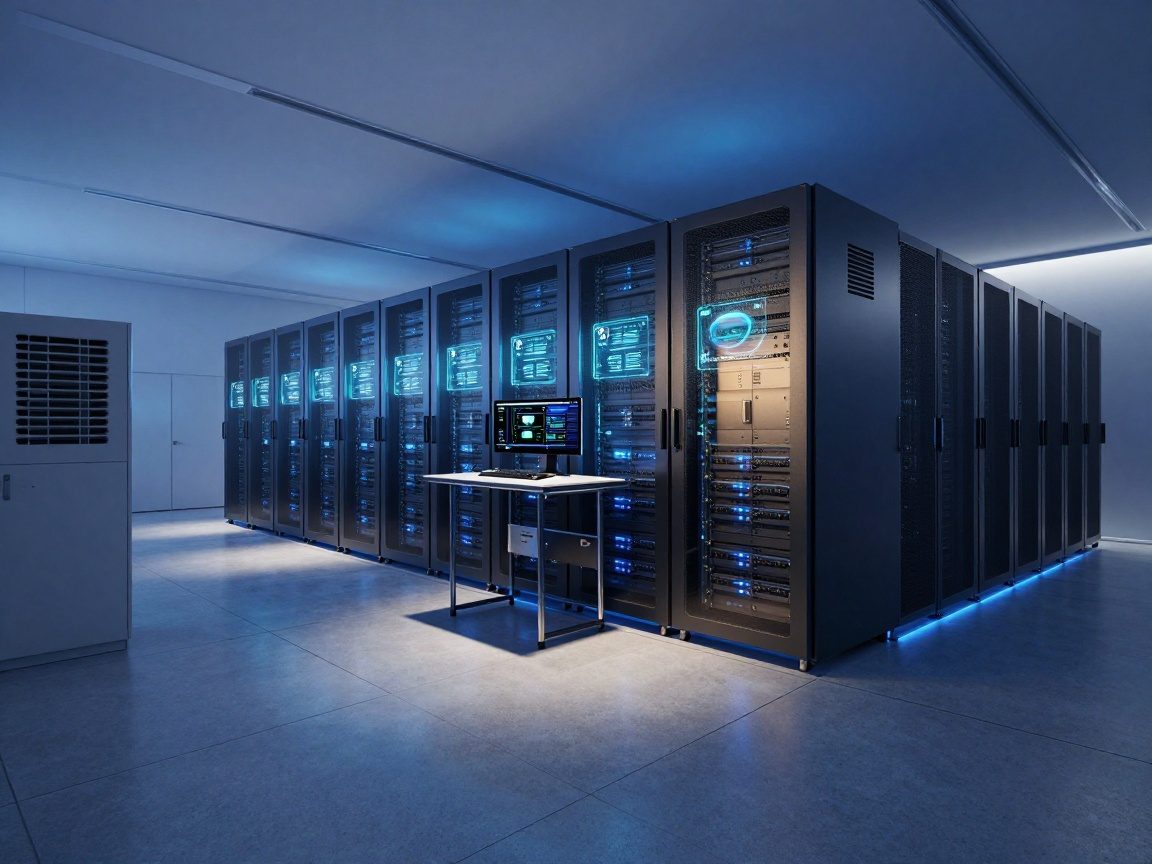
Data centers are the heart of the modern digital world. They house the critical infrastructure that powers businesses, governments, and countless online services. Keeping these facilities secure and operating efficiently is paramount. That’s where IT auditors come in, playing a crucial role in ensuring that data centers are not just functional, but also secure, compliant, and resilient. They are the guardians of the digital realm, the unsung heroes working diligently behind the scenes to protect our data and systems. Their expertise is vital.
The Critical Role of an IT Auditor in Data Center Security
IT auditors are the watchdogs of the digital world, and their role in data center security is absolutely essential. They are the independent eyes, ears, and minds that assess, evaluate, and verify the security, compliance, and operational efficiency of these complex facilities. The auditor provides an objective assessment, looking at all aspects of data center operations to ensure vulnerabilities are identified and mitigated, and that the organization’s assets are secure.
Understanding the IT Auditor’s Scope in a Data Center
The scope of an IT auditor’s work in a data center is extensive, and they look at every detail. They examine everything from physical security, such as who has access to the building, to logical security, which ensures the integrity of the data that’s stored. This includes assessing network configurations, security protocols, and access controls. The auditor’s scope extends to operational efficiency, looking at power and cooling systems, disaster recovery plans, and compliance with industry standards.
This broad approach allows auditors to provide a comprehensive view of the data center’s overall security posture and operational effectiveness.
Data Center Security Assessment: A Deep Dive
Data center security assessments are comprehensive evaluations designed to identify vulnerabilities and weaknesses that could be exploited by attackers or lead to operational disruptions. The IT auditor performs these assessments by methodically analyzing both physical and logical security controls, looking for weaknesses. This process isn’t just about checklists; it’s about a deep understanding of the data center’s environment, and the risks it faces. It’s about protecting the crown jewels of the business.
Physical Security Assessment: Protecting the Perimeter
Physical security is the first line of defense in any data center. It is about safeguarding the physical assets of the data center, from its servers to its power infrastructure. A thorough physical security assessment considers factors such as building design, access controls, and environmental monitoring. This helps to prevent unauthorized access, mitigate environmental threats, and ensure the ongoing availability of the data center’s resources.
Access Controls and Surveillance Systems
Access controls are the gatekeepers of the data center. They determine who can enter and exit the facility and where they can go once inside. IT auditors evaluate the effectiveness of these controls, which include:
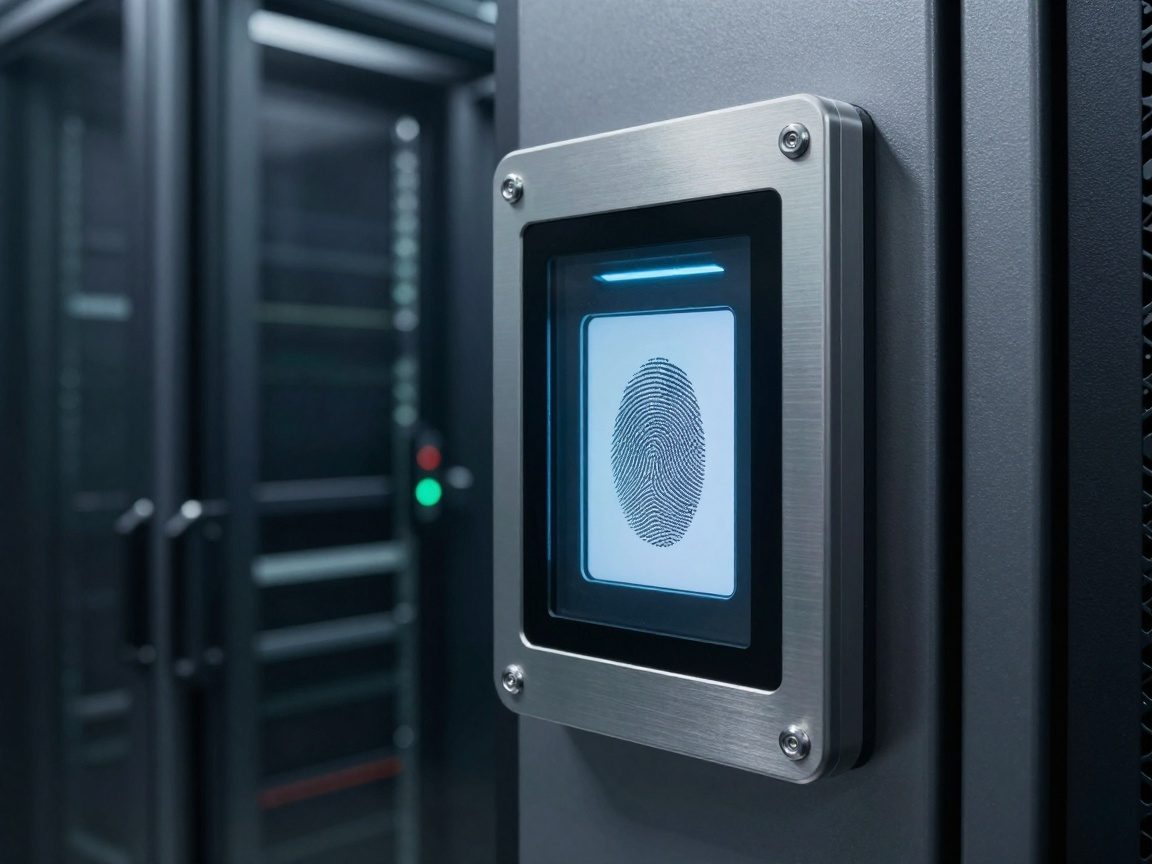
- Biometric scanners: Fingerprint or retinal scanners to verify identity.
- Key cards: Proximity cards or smart cards to grant access.
- Mantraps: Security vestibules that control entry and exit.
Surveillance systems provide the eyes and ears of the data center. They provide a visual record of activity. The auditor assesses:
- CCTV cameras: Strategically placed to monitor all areas.
- Video surveillance: Systems that record and store footage for review.
- Security personnel: Present to monitor activities and respond to incidents.
Environmental Controls and Redundancy
Environmental controls and redundancy are the unsung heroes of data center stability. They ensure that the data center operates within optimal conditions and can withstand disruptions. IT auditors assess these crucial elements, which include:
- Temperature and humidity controls: Systems to maintain optimal conditions.
- Fire suppression systems: Automated systems to detect and extinguish fires.
- Uninterruptible power supplies (UPS): Backup power to keep systems running during outages.
- Backup generators: To provide long-term power during extended outages.
Logical Security Assessment: Protecting Data
Logical security focuses on protecting data and systems from unauthorized access, use, disclosure, disruption, modification, or destruction. IT auditors evaluate the effectiveness of logical security controls, which include network security, data encryption, and access controls. They look closely at the defenses put in place to safeguard the data center’s information assets.
Network Security and Firewalls
Network security is the digital moat around the data center castle, protecting the critical infrastructure from outside threats. IT auditors assess:
- Firewalls: Devices that control network traffic and block unauthorized access.
- Intrusion Detection Systems (IDS): Systems to detect malicious activity on the network.
- Intrusion Prevention Systems (IPS): Systems that block malicious traffic in real time.
- Virtual Private Networks (VPNs): Secure connections for remote access.
Data Encryption and Access Controls
Data encryption and access controls are the locks and keys that protect the valuable data stored in the data center. IT auditors evaluate:
- Data encryption: To protect data at rest and in transit.
- Access controls: That restrict access to data based on roles and responsibilities.
- Authentication protocols: To verify user identities.
- Authorization mechanisms: To determine what users can access.
Compliance Audit: Ensuring Adherence to Standards
Compliance audits are designed to ensure that a data center meets the requirements of relevant regulations, standards, and industry best practices. This is about following the rules and mitigating the risks associated with non-compliance. IT auditors review the data center’s policies, procedures, and controls to ensure they align with the necessary guidelines.
Common Compliance Frameworks
Several compliance frameworks are widely recognized in the data center industry. IT auditors are well-versed in these frameworks, which include:
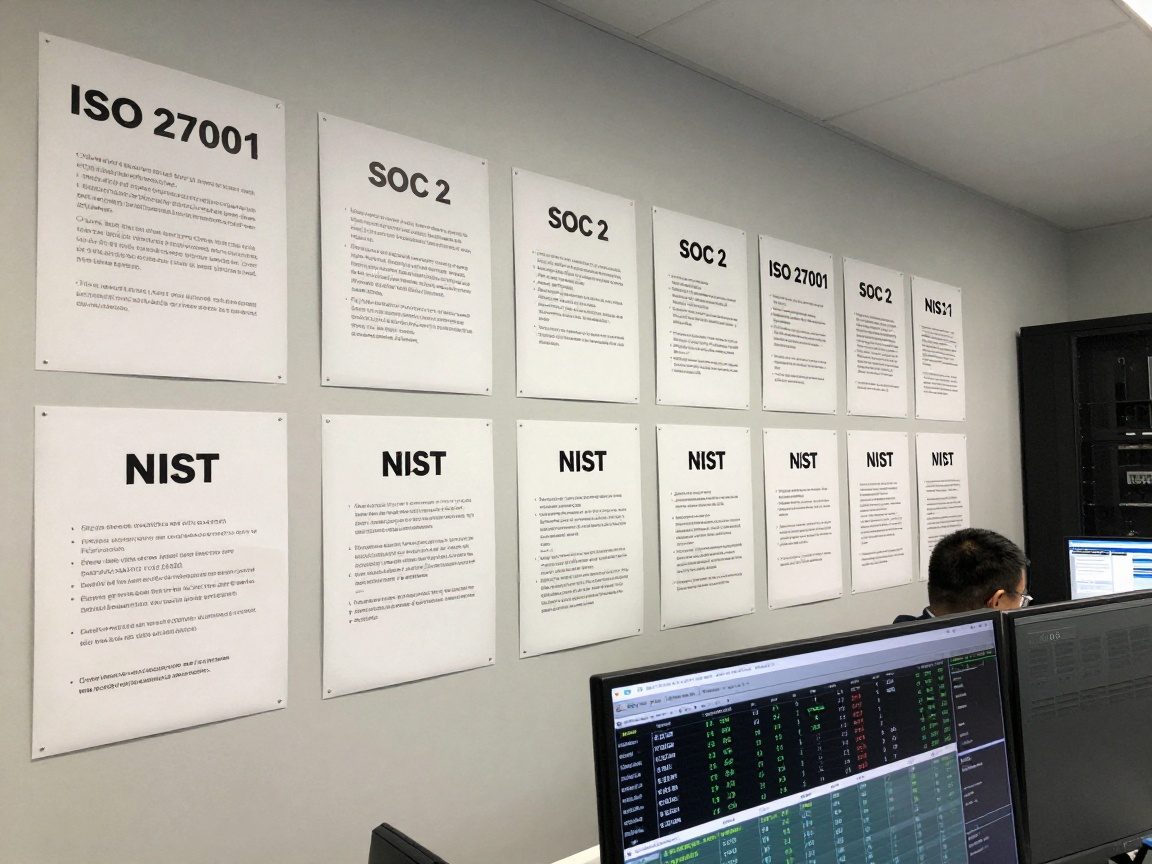
- ISO 27001: An international standard for information security management systems.
- SOC 2: A framework for managing customer data based on trust service criteria.
- HIPAA: Regulations for protecting patient health information.
- PCI DSS: Standards for protecting credit card data.
- NIST standards: Guidelines and best practices for federal agencies and private-sector organizations.
Operational Efficiency Review: Optimizing Performance
Operational efficiency reviews are critical for ensuring that a data center runs effectively and economically. These audits are performed by IT auditors and are focused on identifying areas for improvement in areas such as power and cooling, server utilization, and virtualization strategies. Auditors are essentially looking for ways to optimize the performance of a data center while minimizing costs and environmental impact.
Power and Cooling Efficiency
Power and cooling are significant operational expenses for any data center. IT auditors assess:
- Power Usage Effectiveness (PUE): A metric used to measure the efficiency of a data center.
- Cooling systems: To ensure they are adequately sized and operate efficiently.
- Energy-efficient technologies: To reduce power consumption.
Server Utilization and Virtualization
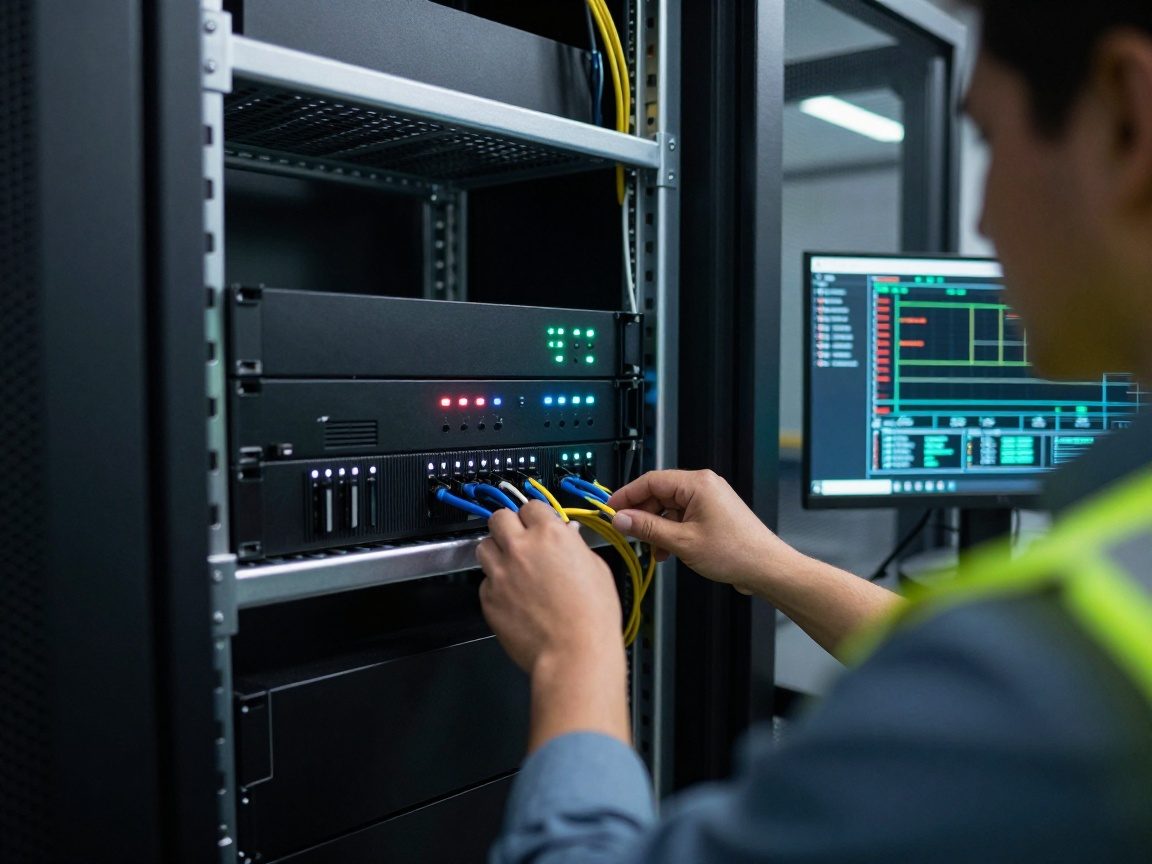
Server utilization and virtualization are key to maximizing resource efficiency. IT auditors review:
- Server utilization rates: To identify underutilized servers.
- Virtualization technologies: To consolidate servers and improve efficiency.
- Capacity planning: To ensure sufficient resources are available.
Disaster Recovery and Business Continuity Planning Audit: Staying Resilient
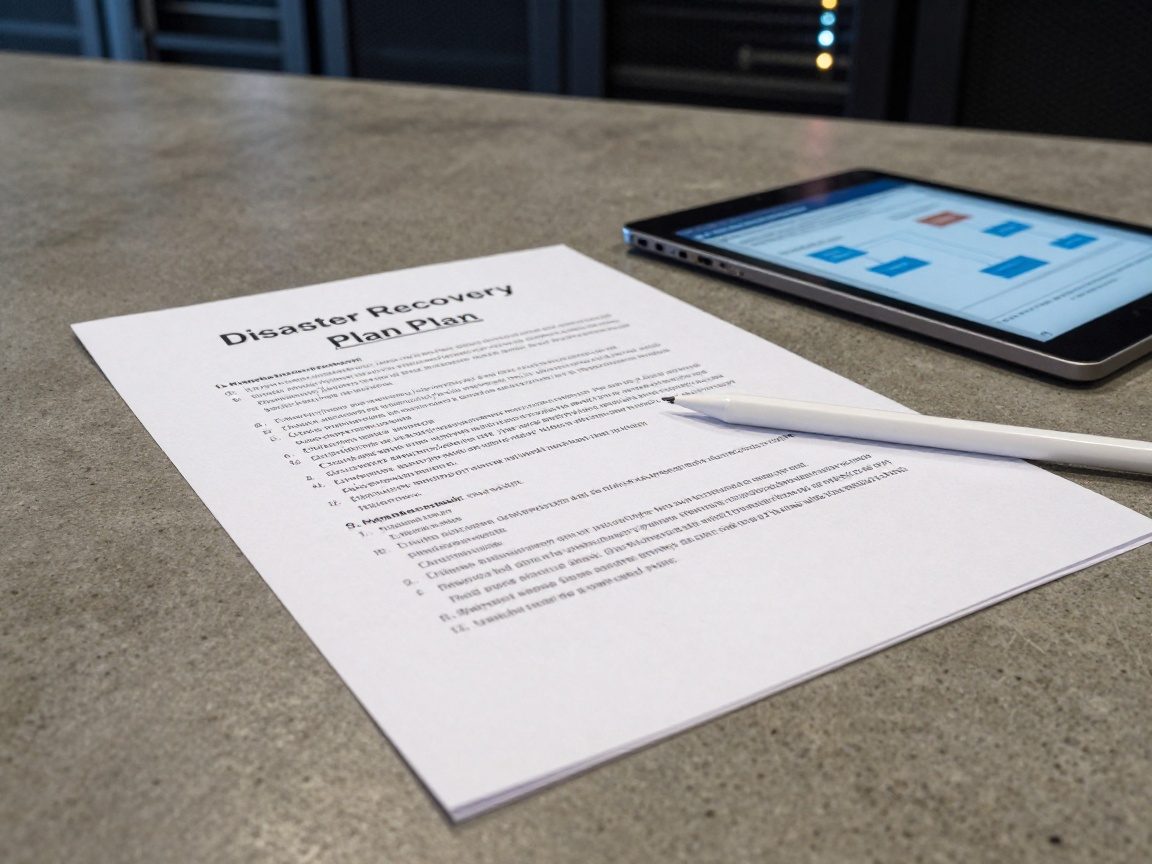
Disaster recovery and business continuity (DR/BC) planning audits are essential for ensuring that a data center can withstand and recover from unexpected events, such as natural disasters, power outages, or cyberattacks. IT auditors assess the plans and procedures in place to ensure business operations can continue with minimal disruption.
Reviewing Disaster Recovery Plans
IT auditors meticulously review the disaster recovery plans, which include:
- Identifying critical systems and data: To prioritize recovery efforts.
- Documenting recovery procedures: To ensure a clear path to recovery.
- Defining recovery time objectives (RTOs) and recovery point objectives (RPOs): To measure the speed and completeness of recovery.
Testing and Validation of Business Continuity
Testing and validation are crucial for confirming the effectiveness of DR/BC plans. IT auditors assess:
- Regular testing: To ensure plans are up-to-date and functional.
- Simulated exercises: To test the response to various scenarios.
- Documentation of test results: To identify areas for improvement.
Risk Management and Governance in the Data Center
Risk management and governance are the cornerstones of a secure and well-managed data center. IT auditors play a vital role in establishing robust risk management practices and ensuring strong governance frameworks are in place. It’s about proactively identifying, assessing, and mitigating risks.
Identifying and Assessing Data Center Risks
IT auditors conduct a comprehensive risk assessment process:
- Identifying potential threats: Such as natural disasters, cyberattacks, and human errors.
- Assessing the likelihood and impact of each risk: To prioritize mitigation efforts.
- Documenting risk assessment results: To inform decision-making and resource allocation.
Establishing Governance Policies and Procedures
IT auditors ensure that appropriate governance policies and procedures are established:
- Defining roles and responsibilities: To clarify accountability.
- Developing policies and procedures: To guide operations and security practices.
- Implementing monitoring and reporting mechanisms: To track performance and compliance.
Data Center Security Awareness Training: Empowering the Team
Data center security awareness training is an investment in the most important asset of a data center: its people. It is essential for educating employees about security threats, best practices, and their role in protecting the data center. IT auditors assess the effectiveness of training programs and make recommendations for improvement.
The Importance of Employee Training
A well-trained workforce is the first line of defense against security threats. IT auditors evaluate:
- Security awareness training programs: To educate employees about security risks.
- Phishing simulations: To test employee awareness of social engineering attacks.
- Regular updates: To keep training materials current and relevant.
Reporting and Communication: Transparency and Accountability
Effective reporting and communication are critical for transparency and accountability in data center operations. IT auditors play a key role in preparing comprehensive audit reports and communicating findings to stakeholders.
Audit Reporting Best Practices
IT auditors follow best practices for audit reporting:
- Clear and concise language: To ensure reports are easily understood.
- Detailed findings and recommendations: To provide actionable insights.
- Executive summaries: To highlight key findings for management.
Communication Strategies for Stakeholders
IT auditors develop effective communication strategies:
- Regular updates to stakeholders: To keep them informed of audit progress and findings.
- Presentations and briefings: To communicate key findings and recommendations.
- Follow-up meetings: To discuss and resolve audit findings.
The Future of IT Auditing in Data Centers
The IT auditing landscape is constantly evolving, and IT auditors must keep pace with emerging technologies and threats. This requires a commitment to ongoing education, training, and adaptation. The future of IT auditing in data centers will likely involve:
- Automation: Leveraging tools to streamline audit processes.
- Data analytics: Using data to identify vulnerabilities and trends.
- Focus on cloud security: As more workloads migrate to the cloud.
- Increased emphasis on compliance: Due to evolving regulations.
Conclusion: The Indispensable IT Auditor
In conclusion, the IT auditor is an indispensable asset in the world of data center operations and security. They are the guardians, the protectors, and the guides who help to keep these critical facilities secure, compliant, and operating efficiently. By performing comprehensive assessments, providing actionable recommendations, and promoting a culture of security awareness, IT auditors ensure the availability, integrity, and confidentiality of data, empowering organizations to thrive in today’s digital age.
FAQs
What are the key skills an IT auditor needs to be effective in a data center environment?
An effective IT auditor in a data center environment requires a blend of technical skills, analytical abilities, and interpersonal qualities. These include:
- Technical Proficiency: A strong understanding of data center infrastructure, including networking, servers, storage, and virtualization technologies. Knowledge of security protocols, encryption methods, and access control systems is essential.
- Audit and Compliance Knowledge: A thorough understanding of relevant industry standards, regulations, and best practices, such as ISO 27001, SOC 2, HIPAA, PCI DSS, and NIST frameworks.
- Analytical Skills: The ability to analyze complex data, identify vulnerabilities, and assess risks effectively. This includes the ability to review logs, conduct vulnerability scans, and interpret security reports.
- Communication Skills: Excellent written and verbal communication skills are necessary for preparing clear and concise audit reports, presenting findings to stakeholders, and collaborating with IT staff.
- Problem-Solving Skills: The ability to identify and address issues, develop practical recommendations, and implement solutions to improve data center security and operational efficiency.
- Independence and Objectivity: The ability to remain impartial and provide unbiased assessments.
- Continuous Learning: The IT landscape is constantly evolving, so the auditor must stay updated on the latest technologies, threats, and best practices.
How often should data centers undergo IT audits?
The frequency of IT audits for data centers depends on various factors, including the size and complexity of the data center, the sensitivity of the data it houses, industry regulations, and risk assessments. However, a general guideline is:
- Annual Audits: It’s common practice for data centers to undergo a comprehensive IT audit at least once a year. This ensures a consistent evaluation of security controls, operational efficiency, and compliance with relevant standards.
- More Frequent Audits: Depending on the risk profile and regulatory requirements, more frequent audits may be necessary. For example, organizations handling sensitive financial data may need to undergo quarterly or semi-annual audits to maintain compliance with PCI DSS.
- Triggered Audits: Audits can also be triggered by specific events, such as security breaches, major system changes, or changes in regulatory requirements.
What are some of the most common challenges IT auditors face when auditing data centers?
IT auditors encounter a variety of challenges in their work. Some of the most common challenges include:
- Complexity of Data Centers: The intricate nature of data centers, with numerous interconnected systems, technologies, and vendors, can make it difficult to assess the environment comprehensively.
- Rapid Technological Changes: The constant evolution of technology requires auditors to stay updated on new systems, vulnerabilities, and best practices.
- Lack of Documentation: Inadequate or outdated documentation can complicate the audit process.
- Lack of Resources: Limited budget or IT staff can hinder the ability to implement audit recommendations effectively.
- Vendor Management: Data centers often rely on multiple vendors for hardware, software, and services, which can create dependencies and complexity in vendor management.
- Resistance to Change: Some IT staff may resist audit findings and recommendations.
What is the difference between an IT audit and a vulnerability assessment?
While both IT audits and vulnerability assessments are used to assess IT security, they serve different purposes:
- IT Audit: A comprehensive review of an organization’s IT environment to assess compliance with policies, procedures, and industry standards. It includes a broad evaluation of various aspects of the IT infrastructure, including security controls, operational efficiency, disaster recovery plans, and data governance.
- Vulnerability Assessment: A focused evaluation to identify security vulnerabilities in an organization’s systems, applications, and network infrastructure. It typically involves scanning for known vulnerabilities, misconfigurations, and weaknesses that could be exploited by attackers.
In essence, an IT audit is a broader assessment that includes a vulnerability assessment, while a vulnerability assessment is a narrower assessment focused solely on identifying security weaknesses.
How can organizations prepare for an IT audit?
Organizations can take several steps to prepare for an IT audit:
- Conduct a Self-Assessment: Perform an internal review of your IT systems, security controls, and operational processes to identify potential vulnerabilities and gaps.
- Update Documentation: Ensure that all IT documentation, including policies, procedures, system configurations, and network diagrams, is up-to-date and readily accessible.
- Implement Security Controls: Implement and maintain appropriate security controls to protect your data and systems.
- Train Staff: Provide security awareness training to employees to educate them about security threats and best practices.
- Establish an Incident Response Plan: Develop a plan to respond to security incidents and data breaches.
- Prepare for Audit Questions: Anticipate potential questions from the auditor.
- Be Responsive: Be prepared to answer auditor questions and provide requested documentation promptly and accurately.