
table of contents
The IT Security Manager’s Guide to Mastering Vulnerability Management
In today’s fast-paced digital landscape, the threat of cyberattacks looms large. The IT Security Manager stands at the forefront of defense, tasked with protecting an organization’s valuable data and systems. A crucial weapon in this battle is vulnerability management. It’s not just about patching systems; it’s a comprehensive, ongoing process that underpins an organization’s entire security posture. This guide provides a roadmap for IT Security Managers, helping you navigate the complexities of vulnerability management and fortify your defenses.
What is Vulnerability Management, and Why Does it Matter?
Let’s start with the basics. Understanding the foundation of vulnerability management is the first step to mastering it.
Defining Vulnerability Management
Vulnerability management is a systematic, ongoing process of identifying, assessing, and mitigating security weaknesses in an organization’s IT infrastructure. It goes beyond simply scanning for vulnerabilities. It encompasses the entire lifecycle, from initial discovery to remediation and ongoing monitoring. Think of it as a continuous health check for your IT environment. It proactively identifies weaknesses before they can be exploited by malicious actors. By implementing a robust vulnerability management program, you’re not just reacting to threats; you’re getting ahead of them. You’re minimizing the attack surface, reducing the risk of successful breaches, and safeguarding critical assets.
The Critical Role of an IT Security Manager
As an IT Security Manager, you are the architect and champion of vulnerability management. You’re responsible for designing and implementing the program, ensuring its effectiveness, and aligning it with the organization’s overall security strategy. You’re not just a technician; you’re a leader. Your responsibilities include defining policies and procedures, selecting and deploying the right tools, and overseeing the team that executes the various tasks. You’ll need to stay up-to-date on the latest threats and vulnerabilities, adjust your approach as needed, and communicate effectively with stakeholders at all levels.
Key Tasks: The Core Responsibilities of a Security Manager
Vulnerability management is multifaceted, requiring a range of coordinated activities. Here’s a breakdown of the core tasks that fall under the purview of an IT Security Manager.
Vulnerability Scanning and Assessment: Your First Line of Defense
This is where it all begins. Vulnerability scanning and assessment involve systematically identifying weaknesses in your systems, networks, and applications. It’s like a detective searching for clues.
Types of Vulnerability Scans
- Network Scans: These scans probe your network for vulnerabilities like open ports, misconfigured services, and outdated software. They’re like checking the perimeter of your property for weaknesses.
- Host-Based Scans: Host-based scans delve into individual servers and workstations, looking for vulnerabilities specific to those systems. This is akin to inspecting each room in a house for potential entry points.
- Web Application Scans: As the name suggests, web application scans focus on vulnerabilities within your web applications, such as SQL injection, cross-site scripting (XSS), and other web-specific threats. Imagine a security check specifically designed for websites.
- Compliance Scans: These scans check your systems against industry standards or regulatory requirements. They verify that your systems meet specific security benchmarks.
Assessing Scan Results and Prioritization
Scanning produces a mountain of data. The IT Security Manager’s job is to sift through the results and prioritize the vulnerabilities based on risk. This is where you put your expertise to work. Risk assessment involves considering the severity of the vulnerability, the likelihood of exploitation, and the potential impact on the business. Not all vulnerabilities are created equal. The IT Security Manager must prioritize high-risk vulnerabilities, focusing on those that pose the most significant threats. This is an exercise in balancing resources and impact, ensuring the most critical issues are addressed first.

Vulnerability Remediation: Fixing the Weak Spots
Once vulnerabilities are identified, the next step is remediation. This is where you take action to fix the weaknesses you’ve discovered.
Patching and Configuration Management
Patching is the most common form of remediation. It involves installing security updates provided by software vendors to fix known vulnerabilities. Configuration management goes hand-in-hand with patching. You’ll ensure that systems are configured securely, reducing the attack surface.
Workarounds and Compensating Controls
Sometimes, patching isn’t immediately possible. Perhaps a patch is unavailable, or applying it could disrupt critical business operations. In such cases, you may need to implement workarounds or compensating controls. A workaround might involve temporarily disabling a vulnerable service. Compensating controls are alternative security measures that mitigate the risk until a permanent fix can be applied.
Vulnerability Management Policy and Procedures: Setting the Rules
A well-defined policy and documented procedures are essential for a successful vulnerability management program.
Developing a Robust Policy
Your vulnerability management policy should outline the goals, scope, responsibilities, and procedures of your program. It should clearly define what vulnerabilities are being addressed and how.
Documenting Procedures
Detailed procedures are the operational blueprints for your vulnerability management activities. These documents should walk the team through each step, including scanning, assessment, remediation, and reporting. Procedures ensure consistency and accountability.
Vulnerability Reporting and Communication: Keeping Stakeholders Informed
Reporting and communication are critical to keep everyone informed about the state of your security posture.
Reporting Formats and Frequency
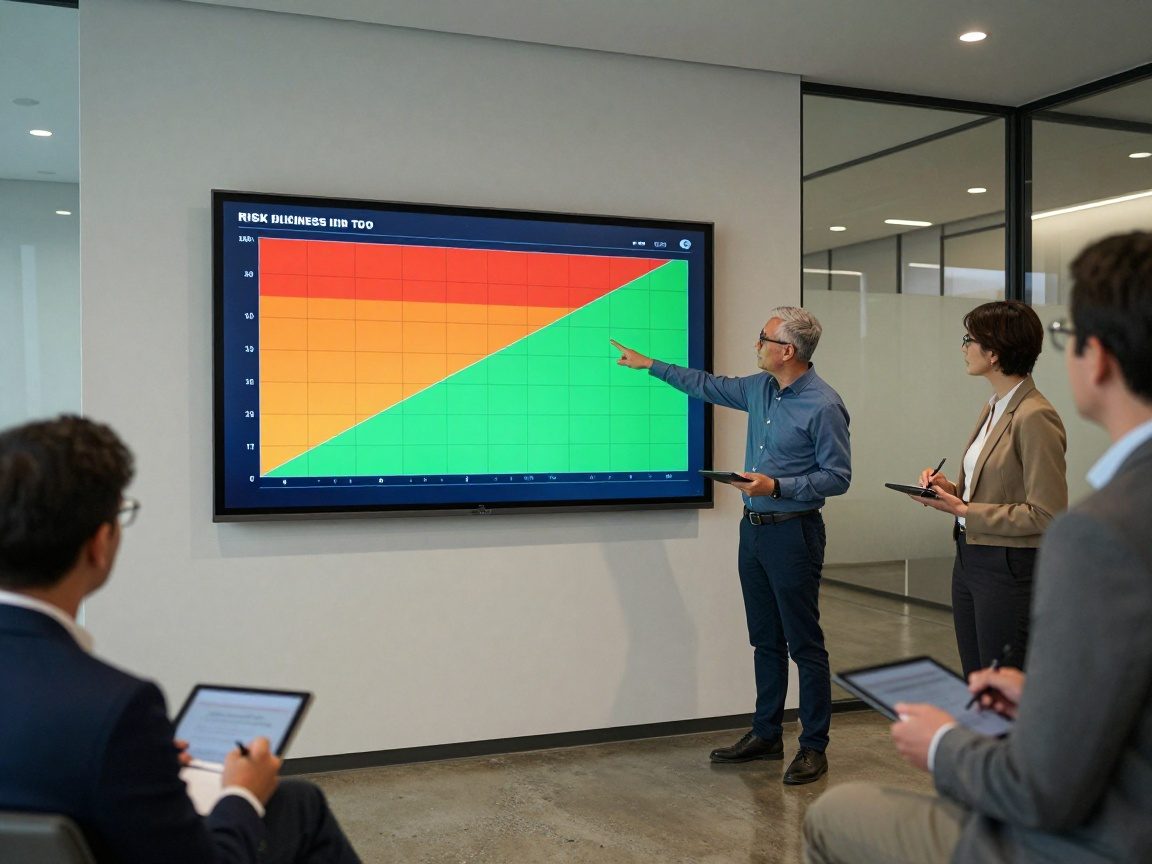
Regular reports should be generated that summarize your findings, highlight the most critical vulnerabilities, and track progress. These reports may be in different formats.
Communicating with Different Audiences
You’ll need to tailor your communication style to your audience. Technical teams may need detailed, in-depth reports. Executives may need high-level summaries and updates on the most critical risks.
Vulnerability Management Tooling and Automation: Efficiency is Key
Efficiency is key when dealing with vulnerability management. Automation can significantly speed up the process and reduce manual effort.
Selecting the Right Tools
There are many vulnerability management tools on the market. You should choose tools that are appropriate for the size and complexity of your organization.
Automating Tasks for Speed and Accuracy
Automate as many tasks as possible, such as scanning, patching, and reporting. Automation frees up valuable time and reduces the risk of human error.
Vulnerability Management Training and Awareness: Empowering Your Team
A strong security team is one of the best assets in the business. Training and awareness are essential for building a strong security posture.
Training Programs and Content
Provide regular training for your team on vulnerability management concepts, procedures, and tools. Tailor the training to the specific roles and responsibilities of each individual.
Building a Security-Conscious Culture
Foster a culture of security awareness throughout the organization. Make security everyone’s responsibility.

Best Practices for a Robust Vulnerability Management Program
Implementing best practices elevates your vulnerability management program and improves its effectiveness.
Regular Scanning and Assessment
Establish a regular scanning schedule that covers your entire IT infrastructure. This ensures you consistently identify and address vulnerabilities.
Prioritization Based on Risk
Focus your remediation efforts on the vulnerabilities that pose the greatest risk to your organization.
Timely Remediation
Address vulnerabilities as quickly as possible, especially those with a high risk rating.
Continuous Monitoring
Continuously monitor your systems and networks for new vulnerabilities and threats.
Integration with Other Security Processes
Integrate your vulnerability management program with other security processes, such as incident response and change management.
Tools and Technologies to Supercharge Your Vulnerability Management
Leverage the right tools to streamline your vulnerability management efforts.
Vulnerability Scanners

Choose a reliable vulnerability scanner to identify weaknesses in your IT infrastructure.
Configuration Management Databases (CMDBs)
Use a CMDB to maintain an accurate inventory of your IT assets and track their configurations.
Security Information and Event Management (SIEM) Systems
Integrate your vulnerability management data with your SIEM system to gain a comprehensive view of your security posture.
The Future of Vulnerability Management
Vulnerability management will continue to evolve as new threats emerge. AI and machine learning will play an increasingly important role in automating vulnerability detection, assessment, and remediation. Cloud computing and the rapid adoption of Software as a Service (SaaS) are also reshaping vulnerability management. Security managers must stay ahead of the curve, continuously adapting their strategies and tools to meet the changing threat landscape.
Conclusion: Mastering Vulnerability Management – A Continuous Journey
Vulnerability management is not a one-time task but a continuous journey. It requires a proactive approach, a commitment to ongoing improvement, and a deep understanding of the ever-changing threat landscape. As an IT Security Manager, your role in this journey is critical. By following the strategies and best practices outlined in this guide, you can build a robust vulnerability management program that protects your organization’s assets and enables its success. Embrace the challenges, stay informed, and remember that the best defense is a proactive offense.
FAQs
-
What is the difference between vulnerability scanning and penetration testing?
Vulnerability scanning automatically identifies vulnerabilities, while penetration testing simulates a real-world attack to exploit vulnerabilities. Pen tests go deeper, while scans cast a wider net. Penetration testing is performed by security experts and is more time-consuming. -
How often should vulnerability scans be performed?
The frequency of vulnerability scans depends on the size and complexity of your environment and the sensitivity of your data. As a general rule, you should conduct regular scans, at a minimum, at least monthly, and more frequently for critical systems. However, scans should occur whenever changes are made to your environment. -
What is a vulnerability management policy?
A vulnerability management policy defines the scope, goals, responsibilities, and procedures of your vulnerability management program. It sets the rules of the game. This includes how you identify, assess, prioritize, and remediate vulnerabilities. -
How do I prioritize vulnerabilities for remediation?
Prioritize vulnerabilities based on their risk. Risk is determined by the severity of the vulnerability, the likelihood of exploitation, and the potential impact on the business. Focus on the vulnerabilities that pose the greatest threats first. -
What are the benefits of automating vulnerability management?
Automation saves time, reduces manual effort, and improves accuracy. It allows you to scan more frequently, identify vulnerabilities faster, and remediate them more efficiently. Automation is essential for keeping up with the ever-changing threat landscape.