
table of contents
Data Management & Integration: The Digitization Expert’s Essential Toolkit
Hey there! Let’s dive into the exciting world of data management and integration, a crucial domain for any digitization expert. In this digital age, data isn’t just information; it’s the lifeblood of any successful organization. A digitization expert is, at their core, a data architect, someone who understands how to harness the power of data to drive innovation, efficiency, and growth. We’ll explore the essential tasks and strategies a digitization expert uses to build robust, integrated data ecosystems. Are you ready to transform raw data into actionable insights? Let’s get started!
The Digitization Expert: A Data-Driven Architect
The digitization expert stands at the intersection of business strategy and technological implementation. They’re the masterminds behind transforming traditional processes into digital ones, with data as the guiding light. They don’t just implement technology; they architect data-driven solutions that empower organizations to make informed decisions and achieve their goals. This role requires a deep understanding of both business needs and technical capabilities.
Understanding the Core Mission
The core mission of a digitization expert is simple: to leverage technology to improve business outcomes. This involves identifying opportunities for digital transformation, developing strategies, and overseeing the implementation of data-driven solutions. They must ensure that data is accurately collected, securely stored, and easily accessible to the right people at the right time. Their goal is to unlock the value of data, transforming raw numbers into strategic assets.
The Data Landscape: A Digitization Expert’s Perspective
From a digitization expert’s perspective, the data landscape is complex and ever-evolving. It’s a blend of structured, unstructured, and semi-structured data sources, each with its own set of challenges and opportunities. They need to be adept at navigating this landscape, understanding the different data formats, sources, and the tools required to manage them effectively. Furthermore, they have a solid understanding of data security and compliance regulations.
Task 1: Data Inventory and Assessment – Know Your Data
Before you can effectively manage or integrate data, you need to know what you have. This is where data inventory and assessment come into play. It’s the foundation upon which all other data management activities are built. This task involves identifying, cataloging, and evaluating all data assets within an organization.
The Importance of a Data Audit
Think of a data audit like an audit of your finances; it provides clarity and control. Conducting a thorough data audit allows digitization experts to understand the scope of their data, identify gaps, and assess the quality of the data available. Without this, it’s like trying to build a house on a shaky foundation. It ensures data accuracy and reduces the risk of errors.
Tools and Techniques for Data Inventory
Several tools and techniques can assist in a data inventory. Data cataloging tools, for instance, help to automate the process of identifying and documenting data assets. Data profiling tools can be used to analyze data characteristics, such as data types, value ranges, and missing values. Manual methods, like interviewing stakeholders, are also important, particularly for understanding the context and meaning of data.
Assessing Data Quality
Data quality is paramount. Once you’ve inventoried your data, assess its quality. This involves evaluating the data against several dimensions: accuracy, completeness, consistency, timeliness, and validity. Data quality assessment tools can automate this process, but manual review and validation are essential to ensure the data meets the needs of the business. Bad data equals bad decisions, so this step is non-negotiable.
Task 2: Data Integration Strategy Development – Building the Roadmap
Once you understand your data assets and quality, you need a strategy for integrating them. Data integration is about combining data from different sources into a unified view. This unified view can enable better insights, improve decision-making, and streamline business processes.
Defining Integration Goals
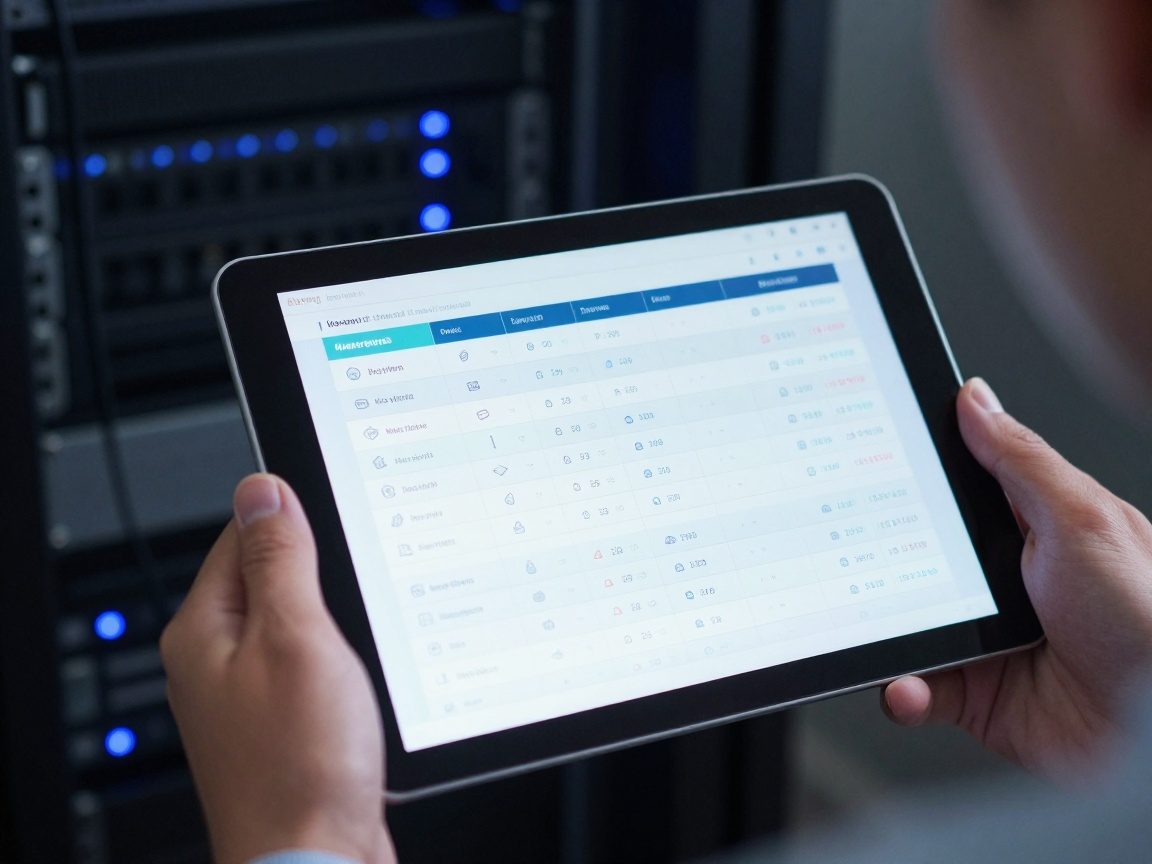
Before starting any integration, define your goals. What do you hope to achieve by integrating your data? Do you want to improve reporting, gain a 360-degree view of your customer, or streamline operational processes? Knowing your goals will help you choose the right integration approach and prioritize your efforts.
Choosing the Right Integration Approach
There are several approaches to data integration, including:
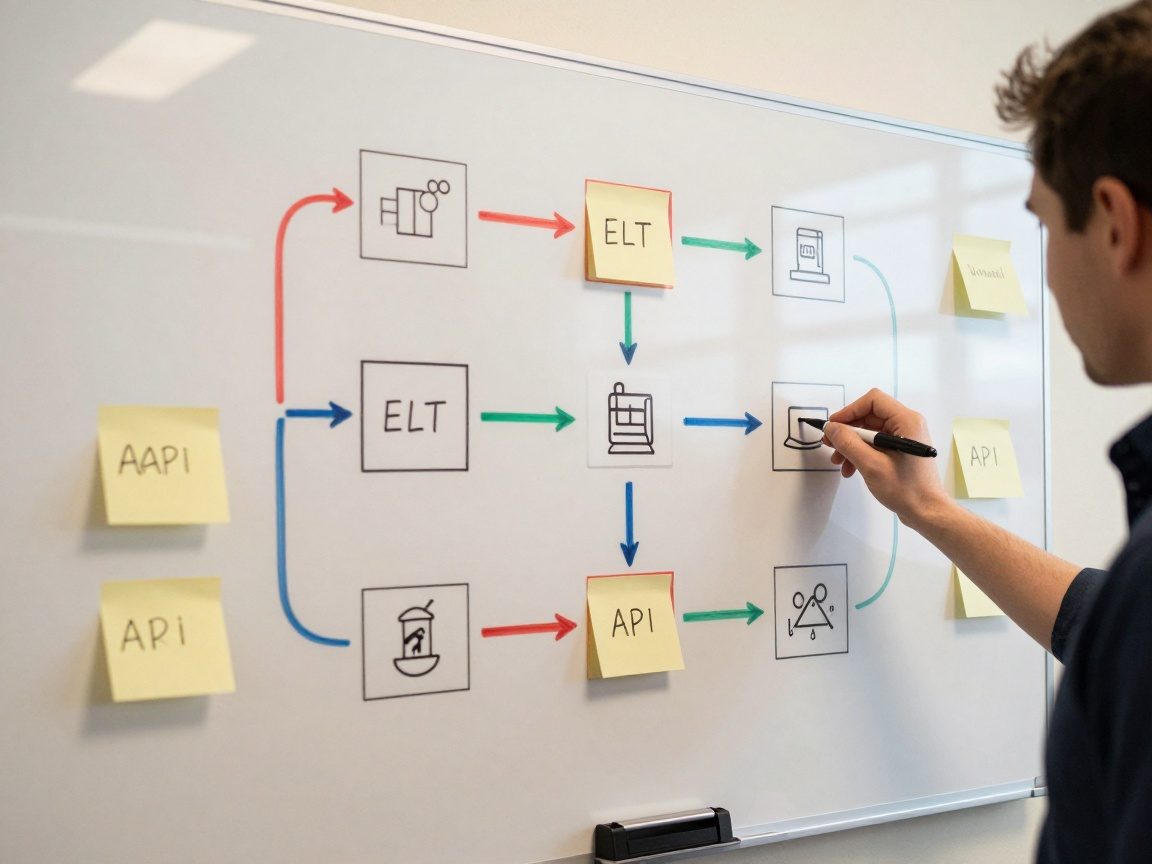
- ETL (Extract, Transform, Load): A traditional method where data is extracted from multiple sources, transformed into a consistent format, and loaded into a target system.
- ELT (Extract, Load, Transform): A modern approach that loads the data into a data warehouse or data lake before transforming it.
- Data Virtualization: Provides a real-time view of data without physically moving it.
- API-based Integration: Uses APIs to connect different systems and share data.
The best approach depends on your specific needs, technical capabilities, and budget.
Building a Phased Implementation Plan
Data integration projects can be complex. Developing a phased implementation plan is crucial. Start with a pilot project to test the integration approach and work out any issues. Then, gradually expand the integration scope, adding more data sources and systems over time. This approach minimizes risk and allows you to learn and adapt as you go.
Task 3: Data Governance and Policy Implementation – Setting the Rules
Data governance provides the framework for managing your data assets. It involves establishing policies, processes, and standards to ensure data quality, security, and compliance. Without data governance, your data becomes a liability, not an asset.
Establishing Data Ownership
Define who is responsible for managing and maintaining different data assets. Data owners are accountable for the quality, accuracy, and security of the data under their control. This also helps to ensure that data is properly maintained and that data quality issues are addressed.
Creating Data Policies and Procedures
Establish clear policies and procedures for data management. These should cover data access, data security, data quality, and data retention. Document these policies and procedures and make them available to all relevant stakeholders.
Ensuring Data Compliance
Make sure your data governance practices comply with relevant regulations, such as GDPR, CCPA, or HIPAA. This involves implementing security measures, data access controls, and data privacy policies to protect sensitive information.
Task 4: Data Modeling and Architecture Design – Blueprint for Success
Data modeling is the process of creating a visual representation of your data. It is like designing the blueprint for a building before construction begins. Data architecture is the overall structure and design of your data systems. This is the roadmap for how the data will be stored, managed, and accessed.
Understanding Data Models
There are different types of data models, including:
- Relational Models: Data is organized into tables with rows and columns, using relationships to connect data.
- Dimensional Models: Optimized for data warehousing and business intelligence, data is organized around facts and dimensions.
- NoSQL Models: Flexible models designed to handle unstructured data and large datasets.
The choice of data model depends on your specific needs and the types of data you are managing.
Designing a Scalable Data Architecture
Design a data architecture that can scale to meet your future needs. This means choosing technologies that can handle increasing data volumes and user demands. Consider cloud-based solutions, which offer scalability, flexibility, and cost-effectiveness.
Choosing the Right Technologies
Select the right technologies for your data architecture. This includes data storage solutions, data integration tools, data quality tools, and data governance platforms. Consider factors such as scalability, performance, cost, and security when making your choices.
Task 5: Data Integration Tool Selection and Implementation – The Right Tools for the Job
The selection and implementation of the right data integration tools can significantly impact the success of your data management initiatives. The right tools can automate and streamline processes, improve data quality, and enhance the overall efficiency of your data ecosystem.
Evaluating Integration Tools
When selecting data integration tools, consider factors such as:
- Integration Capabilities: Make sure the tool supports the data sources and destinations you need.
- Scalability and Performance: The tool should be able to handle your current and future data volumes.
- Data Transformation Capabilities: The tool should provide robust transformation capabilities.
- Ease of Use: The tool should be easy to use and manage.
- Cost: Consider the cost of the tool, including licensing, implementation, and maintenance.
Implementation Best Practices
Follow these best practices for data integration tool implementation:
- Start with a pilot project: Test the tool with a small, well-defined data integration project before implementing it across your entire organization.
- Use a phased approach: Implement the tool in phases, starting with the most critical data sources and destinations.
- Document everything: Document your data integration processes, including data sources, data mappings, and transformation rules.
- Provide training: Train your team on how to use and manage the data integration tool.
- Monitor performance: Monitor the performance of the data integration tool and make adjustments as needed.
Training and Support
Even the best tools require trained personnel. Ensure your team receives adequate training on how to use and maintain the data integration tools. Provide ongoing support and resources to address any issues that arise.
Task 6: Data Quality Management and Monitoring – Keeping Data Clean
Data quality management is the process of ensuring that your data is accurate, complete, consistent, timely, and valid. High-quality data is essential for making informed decisions, improving operational efficiency, and building trust with your customers.
Data Quality Dimensions
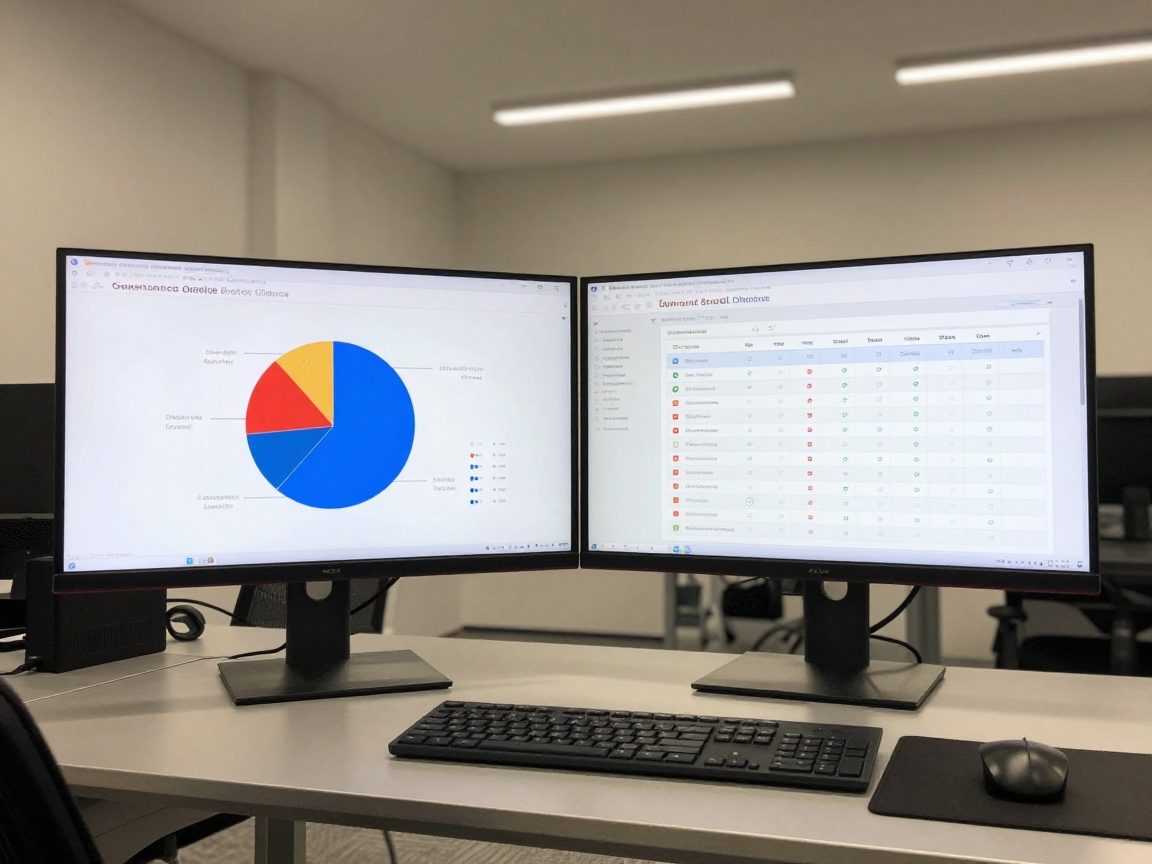
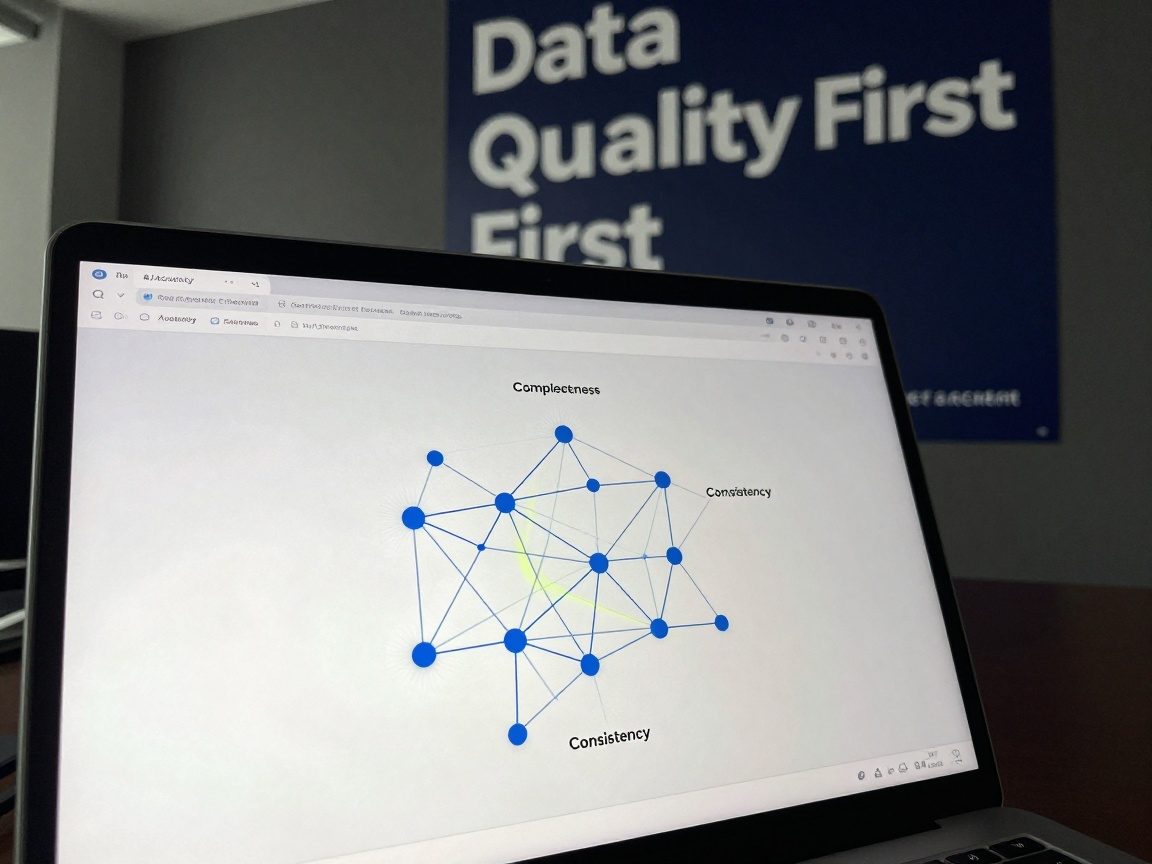
Data quality can be assessed based on several dimensions:
- Accuracy: Is the data correct and free from errors?
- Completeness: Is all the necessary data present?
- Consistency: Is the data consistent across all sources?
- Timeliness: Is the data up-to-date and available when needed?
- Validity: Does the data conform to the defined format and rules?
Data Quality Tools and Techniques
Various tools and techniques can be used to improve data quality. Data profiling tools can be used to analyze data and identify quality issues. Data cleansing tools can be used to correct errors and inconsistencies. Data validation rules can be implemented to ensure data quality during data entry.
Implementing Data Quality Monitoring
Implement data quality monitoring to continuously monitor the quality of your data. This involves setting up data quality rules and alerts to identify and address data quality issues. Regularly review and improve your data quality processes.
Task 7: Data Security and Compliance – Protecting Your Data Assets
Data security and compliance are crucial for protecting your data assets and ensuring that you meet legal and regulatory requirements. Data breaches can result in financial losses, reputational damage, and legal penalties.
Data Security Best Practices
Implement robust data security practices, including:
- Data encryption: Encrypt sensitive data at rest and in transit.
- Access controls: Implement access controls to restrict data access to authorized personnel.
- Data loss prevention: Implement measures to prevent data loss, such as data backup and disaster recovery.
- Regular security audits: Conduct regular security audits to identify and address vulnerabilities.
Data Compliance Regulations
Comply with relevant data privacy regulations, such as GDPR, CCPA, and HIPAA. This includes implementing measures to protect personal data, obtain consent for data processing, and provide data subjects with access to their data.
Data Privacy Considerations
Protect data privacy by:
- Minimizing data collection: Only collect the data you need.
- Anonymizing or pseudonymizing data: Remove or replace personally identifiable information.
- Providing transparency: Inform data subjects about how you collect, use, and share their data.
The Future of Data Management & Integration – Trends and Opportunities
The field of data management and integration is constantly evolving. Stay informed about the latest trends to ensure your data strategy is forward-looking.
The Rise of Cloud-Based Integration
Cloud-based integration platforms are becoming increasingly popular due to their scalability, flexibility, and cost-effectiveness. These platforms provide pre-built connectors, data transformation capabilities, and other features that can accelerate data integration projects.
AI and Machine Learning in Data Management
AI and machine learning are being used to automate data management tasks, such as data quality monitoring, data governance, and data integration. These technologies can improve efficiency, reduce costs, and enhance the accuracy of your data.
The Importance of Data Literacy
Data literacy is the ability to understand, analyze, and interpret data. It is becoming increasingly important for all employees, not just data professionals. Investing in data literacy training can empower your employees to make better decisions and improve business outcomes.
Conclusion: Data Integration and the Digitization Expert
Data management and integration are essential for any organization looking to thrive in the digital age. The digitization expert plays a vital role in building and maintaining these critical data systems. By understanding the key tasks, from data inventory to data security, and staying abreast of the latest trends, they can help organizations unlock the full potential of their data assets. So, as a digitization expert, embrace the power of data, and lead the way in driving innovation and growth.
FAQs
- What is the primary role of a digitization expert in data management?
The digitization expert’s primary role is to architect and implement data-driven solutions, ensuring data is accurate, accessible, and used to achieve business goals. They bridge the gap between business needs and technical capabilities, guiding digital transformation through strategic data management.
- What are the key dimensions of data quality that a digitization expert needs to consider?
The key dimensions are accuracy, completeness, consistency, timeliness, and validity. Digitization experts use these dimensions to assess and improve data quality. High-quality data is crucial for informed decision-making.
- What is the difference between ETL and ELT in data integration?
ETL (Extract, Transform, Load) transforms data before loading it into a target system, while ELT (Extract, Load, Transform) loads the data first and then transforms it within the target system. The choice depends on factors like data volumes, transformation complexity, and the capabilities of the target system.
- Why is data governance important, and what does it involve?
Data governance is critical for ensuring data quality, security, and compliance. It involves establishing policies, processes, and standards for data management, including data ownership, data policies, and data compliance with regulations such as GDPR.
- How can AI and machine learning be used in data management?
AI and machine learning are used to automate data quality monitoring, data governance, data integration, and other tasks, improving efficiency, reducing costs, and enhancing data accuracy. They can identify patterns, predict issues, and automate data-related processes.