
table of contents
Data Management & Analytics: The Digitization Consultant’s Blueprint for Success
In today’s fast-paced digital environment, data is no longer just a byproduct of business operations; it’s the lifeblood of informed decision-making and sustainable growth. But how do businesses harness the power of this vast resource? That’s where the digitization consultant comes in. They’re the architects of the data-driven future, helping organizations navigate the complexities of data management and analytics to unlock hidden potential and achieve strategic objectives. We’re going to delve into the critical role of a digitization consultant in data management and analytics, outlining the key areas they influence and the value they bring to modern businesses.
What is Data Management & Analytics and Why Does It Matter?
At its core, data management & analytics is the process of collecting, organizing, storing, processing, and analyzing data to extract valuable insights that drive better business decisions. Data management focuses on the storage and maintenance of data, whereas data analytics focuses on the application of statistical, analytical, and logical reasoning to inspect, transform, and model data. Essentially, it’s about turning raw data into actionable intelligence.
The Core Pillars of Data Management
Data management isn’t a one-size-fits-all approach. It is constructed from several major pillars, including data quality, metadata management, data architecture, data governance, data security, and data integration. These pillars work in concert to ensure data is accurate, consistent, secure, and accessible. Think of them as the foundation of a strong data strategy, each supporting the overall stability and effectiveness of data operations. Without a strong base, the entire structure of data operations risks crumbling.
Why Data is the New Oil (and How to Refine It)
You’ve likely heard the comparison: “data is the new oil.” This analogy holds true because both resources are incredibly valuable in their raw form but require refining to unlock their true potential. Just as crude oil needs processing to become gasoline, data must be cleaned, analyzed, and interpreted to yield insights. Digitization consultants are the refineries, skillfully transforming raw data into fuel for strategic decisions, operational improvements, and innovative breakthroughs. They bring in their experience to refine the data, making it clean, actionable, and valuable to the business.
The Digitization Consultant: Your Data Transformation Guide
Digitization consultants act as guides for organizations navigating the complex world of data management and analytics. They offer expertise in strategy, technology, and implementation, ensuring that businesses can effectively leverage their data assets. These professionals are more than just tech gurus; they are strategic thinkers and problem solvers who help companies to drive performance.
Skills and Expertise: The Consultant’s Toolkit
A digitization consultant brings a diverse skill set to the table. They need strong analytical skills, a deep understanding of data management principles, proficiency in various data analytics tools and technologies, and the ability to communicate technical concepts clearly. Beyond these technical skills, they also possess project management, business acumen, and a knack for change management.
The Consultant’s Role in the Digital Landscape

In the context of data management and analytics, a digitization consultant assists organizations in data assessment, strategic development, architecture design, implementation, governance, analytics, tool selection, change management, and continuous improvement. They act as a bridge between business needs and technological solutions, helping to create a data-driven culture that fosters innovation and growth.
Data Assessment and Strategy Development: Laying the Foundation
Before you can build a data strategy, you need to know your current state. Data assessment and strategy development are the initial steps that guide the journey toward data maturity. It requires a comprehensive understanding of the existing data landscape, business objectives, and potential opportunities.
Auditing the Data Landscape
The first step is a thorough audit of the existing data landscape. This includes identifying data sources, assessing data quality, evaluating current data management practices, and understanding the existing technology infrastructure. The goal is to gain a comprehensive view of the current data environment, highlighting strengths, weaknesses, and potential risks.
Crafting a Data-Driven Vision
Based on the assessment, the consultant works with the organization to craft a data-driven vision and strategy. This strategy defines the goals, objectives, and roadmap for data management and analytics initiatives. This involves identifying key performance indicators (KPIs), establishing data governance policies, and outlining the technology investments needed to support the vision.
Data Architecture Design and Implementation: Building the Infrastructure
Data architecture is the backbone of any data management system. It defines how data is stored, accessed, and managed. Designing an effective data architecture is critical for ensuring data scalability, reliability, and performance.
Designing a Scalable Data Architecture
The digitization consultant helps design a data architecture that aligns with the organization’s specific needs and future growth. This often involves selecting the right data storage solutions, such as data warehouses, data lakes, or cloud-based platforms. The architecture must support data integration, processing, and analysis, and be adaptable to changing business requirements.
Implementing the Architecture: A Step-by-Step Guide
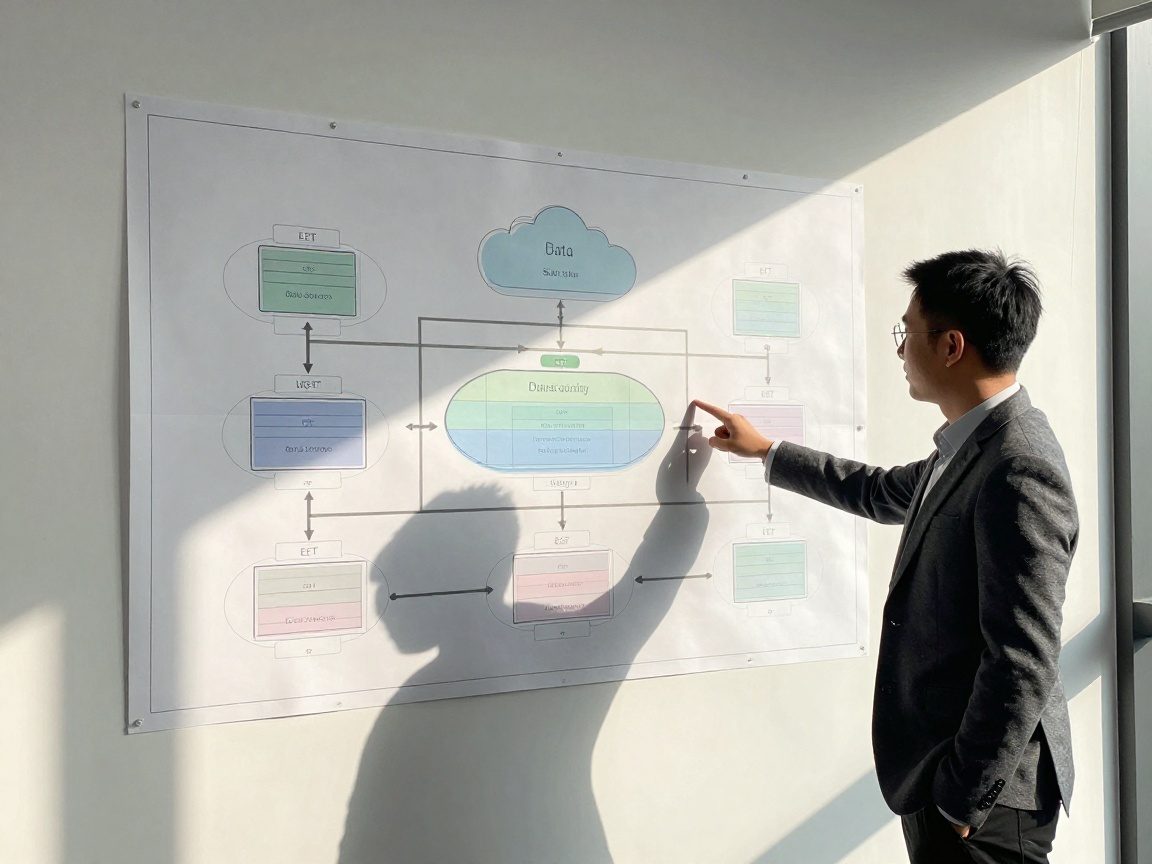
Implementing the designed architecture requires a structured approach. The consultant oversees the implementation of the data infrastructure, including data migration, data integration, and the deployment of data management tools. This may involve setting up ETL pipelines, configuring data storage solutions, and integrating various data sources to create a unified data ecosystem.
Data Governance and Security: Protecting Your Precious Assets
Data governance and security are essential for ensuring data quality, compliance, and protection. They help organizations manage and protect their data assets. This is especially critical in the age of increasing data privacy regulations.
Establishing Data Governance Frameworks
The consultant helps establish a robust data governance framework. This framework defines policies, procedures, and responsibilities for data management, including data quality, metadata management, data security, and compliance. The objective is to ensure data is accurate, consistent, and compliant with relevant regulations.
Data Security Best Practices: Safeguarding Your Data
Data security is paramount in protecting sensitive information. The consultant helps implement security measures, including access controls, encryption, and data loss prevention strategies. This involves identifying and mitigating data security risks, safeguarding against cyber threats, and ensuring data privacy.
Data Analytics and Insights: Uncovering Hidden Gems
The true value of data lies in the insights it provides. Data analytics helps organizations unlock the potential hidden within their data, enabling data-driven decision-making and creating a competitive advantage.
Data Analysis Techniques: Digging for Insights
The consultant uses a range of data analysis techniques, including statistical analysis, machine learning, and data mining, to extract meaningful insights from data. This involves identifying patterns, trends, and anomalies to inform business decisions.
Presenting Insights: Making Data Actionable
The consultant presents the insights in a clear, concise, and actionable format. This involves creating dashboards, reports, and visualizations that communicate the findings to stakeholders. The goal is to ensure that the insights are easily understood and can be used to drive strategic decisions.
Data Management Tool and Platform Selection: Choosing the Right Weapons

The right tools and platforms are essential for effective data management and analytics. Selecting the most appropriate tools and platforms can significantly improve efficiency and effectiveness.
Evaluating Data Management Tools
The consultant evaluates various data management tools and platforms based on the organization’s specific needs, budget, and technical capabilities. This includes assessing data integration tools, data quality tools, data governance tools, and data analytics platforms.
Selecting the Right Platform: A Strategic Approach
The consultant helps the organization select the most appropriate data management platform. This includes evaluating cloud-based solutions, on-premise solutions, and hybrid approaches. The selected platform should align with the organization’s strategic goals and support the chosen data analytics capabilities.
Data Culture and Change Management: Fostering a Data-Driven Mindset
Building a data-driven culture requires more than just technology; it requires a shift in mindset and a commitment to change. The consultant plays a key role in cultivating this cultural transformation.
Cultivating a Data-Driven Culture
The consultant helps cultivate a data-driven culture by fostering data literacy, promoting data-driven decision-making, and encouraging collaboration among different departments. This involves training employees on data analytics techniques, providing access to data and insights, and creating a culture of experimentation and continuous learning.
Managing Change: Making the Transition Smooth
Change management is critical for ensuring a smooth transition to a data-driven culture. The consultant helps manage the change process, addressing resistance to change, and ensuring that employees understand the value of data and analytics. This involves developing communication strategies, providing training, and involving stakeholders in the change process.
Continuous Improvement and Innovation: Staying Ahead of the Curve
Data management and analytics are not one-time projects; they are continuous processes that require ongoing improvement and innovation. The consultant helps organizations stay ahead of the curve.

Monitoring and Measuring Data Performance
The consultant helps monitor and measure the performance of data management and analytics initiatives. This involves tracking key performance indicators (KPIs), assessing data quality, and evaluating the effectiveness of the data management and analytics solutions.
Embracing Innovation: The Future of Data Management
The consultant helps the organization embrace innovation by exploring new data analytics techniques, emerging technologies, and industry best practices. This involves staying up-to-date on the latest trends in data management and analytics and applying innovative solutions to drive business value.
Conclusion: The Future of Data Management in the Digital Age
In conclusion, the role of a digitization consultant in data management and analytics is more critical than ever. They provide the expertise, strategy, and guidance needed for organizations to thrive in the data-driven world. By leveraging their skills and experience, businesses can unlock the full potential of their data, improve decision-making, and drive sustainable growth. As technology and business needs continue to evolve, the digitization consultant will remain an essential partner in the journey toward data maturity and digital transformation.
FAQs
-
What is the difference between data management and data analytics?
Data management focuses on the storage, organization, and maintenance of data, ensuring its quality and accessibility. Data analytics involves the application of statistical and analytical techniques to extract meaningful insights from the data. In essence, data management prepares the data, while data analytics uses it. -
How can a digitization consultant help improve data quality?
A digitization consultant can assess data quality, identify issues, and implement data governance frameworks and tools to ensure accuracy, consistency, and completeness. They can also develop and enforce data quality standards and processes. -
What is the role of a digitization consultant in data security?
Digitization consultants help establish data security best practices, including access controls, encryption, and data loss prevention strategies. They assist in identifying and mitigating data security risks, ensuring data privacy, and helping organizations comply with relevant regulations. -
How does a digitization consultant contribute to a data-driven culture?
They foster a data-driven culture by promoting data literacy, providing training on data analytics, and encouraging collaboration and data-driven decision-making. They also work to break down silos between departments and facilitate communication of data insights. -
What are the benefits of having a strong data strategy?
A strong data strategy enables better decision-making, improves operational efficiency, drives innovation, enhances customer experiences, and creates a competitive advantage. It also helps organizations comply with data privacy regulations and manage data effectively.