table of contents
Technical Design & Architecture: The Team Leader/Project Manager’s Blueprint for Success
Are you a Team Leader or Project Manager navigating the complex world of technical design and architecture? Or perhaps you are aspiring to step into this leadership role? Then, you are in the right place. This article is your comprehensive guide, breaking down the core responsibilities and crucial skills needed to excel in this dynamic field. We’ll explore the key tasks, from defining architectural vision to ensuring design quality, all through the lens of a Team Leader/Project Manager. Get ready to unlock the secrets to leading successful technical projects!
Understanding the Core of Technical Design & Architecture
Before diving into the specifics, let’s get our bearings. What exactly is technical design and architecture, and why is it so critical to the role of a Team Leader/Project Manager?
What Exactly Is Technical Design & Architecture?
Think of technical design and architecture as the master plan for any IT project, system, or software application. It’s the art and science of crafting the blueprints that define how everything will work together. It encompasses the design, development, and implementation of technology solutions. Technical architecture defines the structure of a system, including the components, their interactions, and the technologies used. Technical design translates requirements into detailed specifications that developers use to build and implement the system. Architects consider factors like scalability, security, performance, and maintainability to build robust and efficient systems. The overall process aims to provide a stable and adaptable foundation for technology-driven endeavors.
Why Does It Matter to a Team Leader/Project Manager?
The success of any project hinges on its architectural soundness. A Team Leader or Project Manager is the conductor of this orchestra. They are the ones responsible for ensuring that the architectural vision is clear, the design is feasible, and the implementation stays on track. If the architecture is flawed, the project will likely fail. The Team Leader/Project Manager is the guiding force, ensuring the architecture aligns with business goals, managing resources, and facilitating collaboration. In essence, a solid technical design is the foundation upon which successful projects are built, and the Team Leader/Project Manager is responsible for that foundation.
Defining & Documenting the Architectural Vision and Requirements
This is where it all begins: understanding what needs to be built. A Team Leader/Project Manager must be adept at gathering information, translating it into a clear vision, and documenting it in detail.
Gathering and Analyzing Stakeholder Needs
It all begins with understanding the “why” behind the project. As a Team Leader/Project Manager, you’ll work closely with stakeholders, including business users, clients, and other team members, to identify and clarify project requirements. This includes conducting interviews, running workshops, and analyzing existing systems. What are the key business drivers? What problems need to be solved? What are the key performance indicators (KPIs)? Understanding the needs and expectations of everyone involved is the first critical step. Effective communication is key here to collect requirements properly.
Creating Detailed Architecture Documents
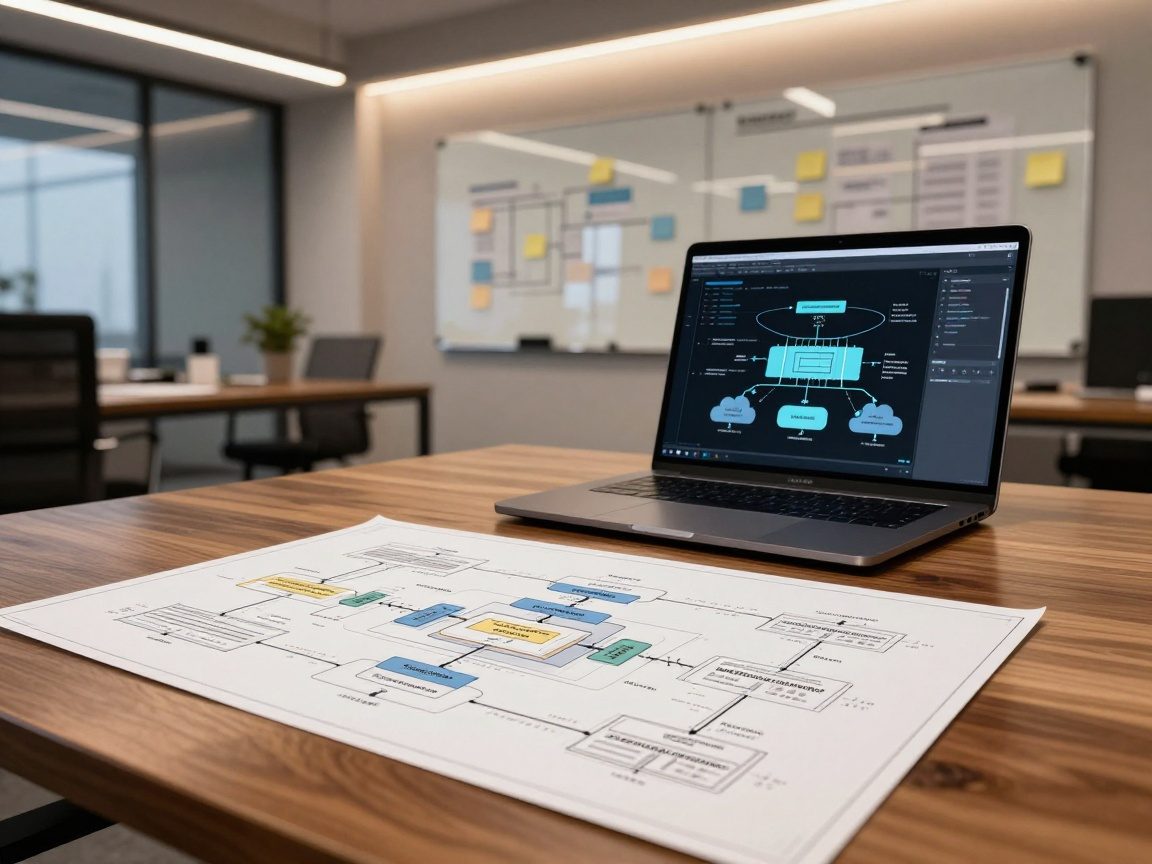
Once you’ve gathered the requirements, it’s time to transform them into tangible documentation. This could include architectural diagrams, data flow diagrams, API specifications, and design documents. These documents serve as the single source of truth for the project, ensuring everyone is on the same page. As a Team Leader/Project Manager, your role is to ensure these documents are complete, accurate, and readily accessible to the team. They should be written in clear, concise language, and you must be a master of explaining complex technical concepts in simple terms. Regular updates and revisions will be important to document changes.
Developing and Evaluating Architectural Solutions
Now for the exciting part: creating the architectural design itself. The Team Leader/Project Manager must be capable of analyzing different approaches, weighing the trade-offs, and making informed decisions.
Exploring Design Options and Trade-offs
No two projects are the same, and the architecture must be tailored to the specific needs of each one. As a Team Leader/Project Manager, you’ll need to explore various design options, from choosing the appropriate technologies and platforms to selecting the best system architecture. You will need to weigh the pros and cons of each option and understand the trade-offs. For example, choosing a microservices architecture might offer greater scalability but could also increase complexity. Your job is to guide the team through this process, ensuring all options are considered, and the best solution is chosen for the project’s needs.
Evaluating Solutions: Criteria and Methodologies
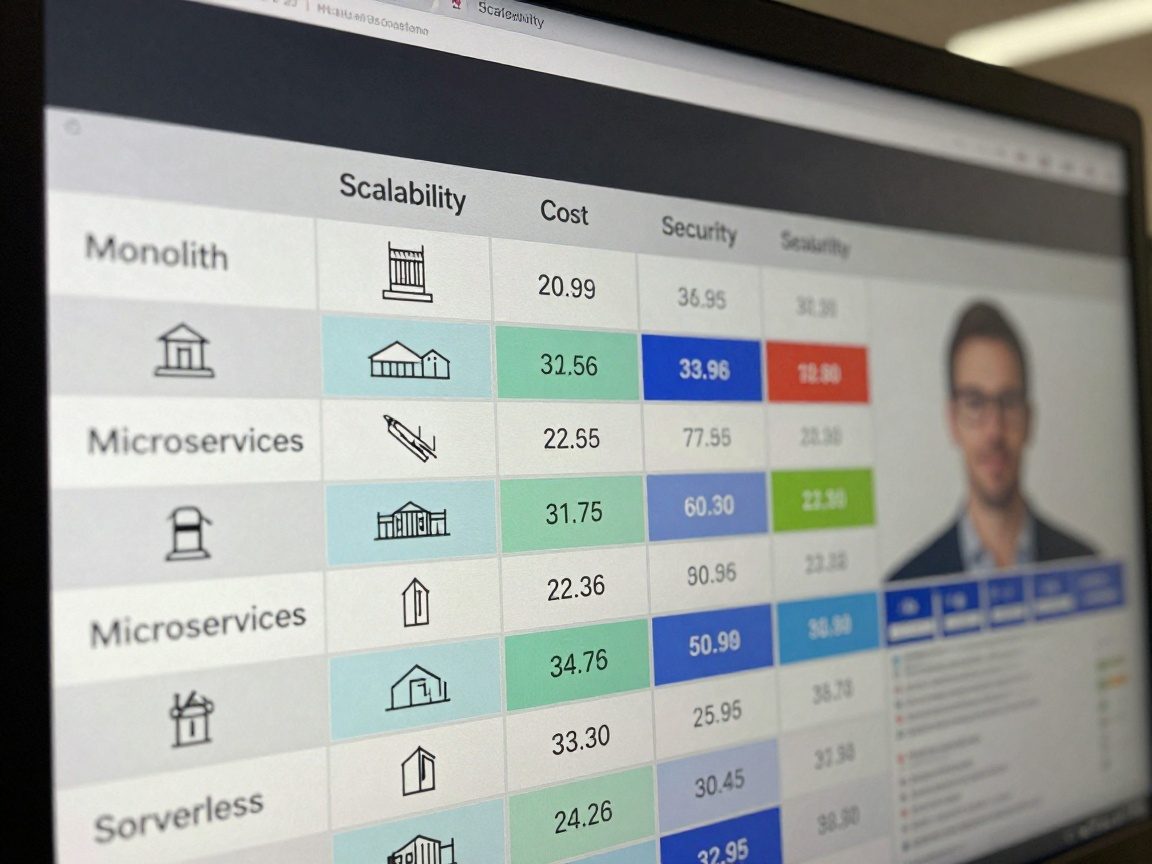
Once the options are on the table, you’ll need a systematic way to evaluate them. This might involve using a matrix to score different solutions based on factors like performance, cost, security, and maintainability. You might also conduct proof-of-concept (POC) tests to validate the feasibility of specific technologies. It’s the Team Leader/Project Manager’s job to establish the evaluation criteria, manage the evaluation process, and ensure all stakeholders are involved in the decision-making. Based on that evaluation, the final design will be chosen.
Collaboration and Communication: The Team Leader’s Superpower
Technical design and architecture are never a solo effort. A Team Leader/Project Manager must be a champion of collaboration and a master communicator.
Fostering Cross-Functional Teamwork
Successful projects rely on effective teamwork. This means fostering a collaborative environment where team members from different backgrounds, such as developers, testers, and business analysts, can work together seamlessly. As a Team Leader/Project Manager, you’re the conductor, setting the tone for collaboration, encouraging open communication, and resolving any conflicts that arise. Regular team meetings, knowledge-sharing sessions, and the use of collaboration tools are all key components of a successful teamwork strategy.
Communicating Technical Concepts Effectively
Let’s face it, technical jargon can be a minefield. A Team Leader/Project Manager must be able to explain complex technical concepts in a clear, concise, and accessible way. This means tailoring your communication style to your audience, avoiding jargon when possible, and using visuals such as diagrams and flowcharts to illustrate your points. Whether it’s presenting to stakeholders or explaining a design decision to the development team, your ability to communicate effectively is crucial for success.
Ensuring Design Quality and Compliance
Quality isn’t just a buzzword; it’s the foundation of a successful project. The Team Leader/Project Manager is responsible for ensuring the technical design meets the highest standards of quality and complies with relevant industry regulations.
Implementing Quality Assurance Processes
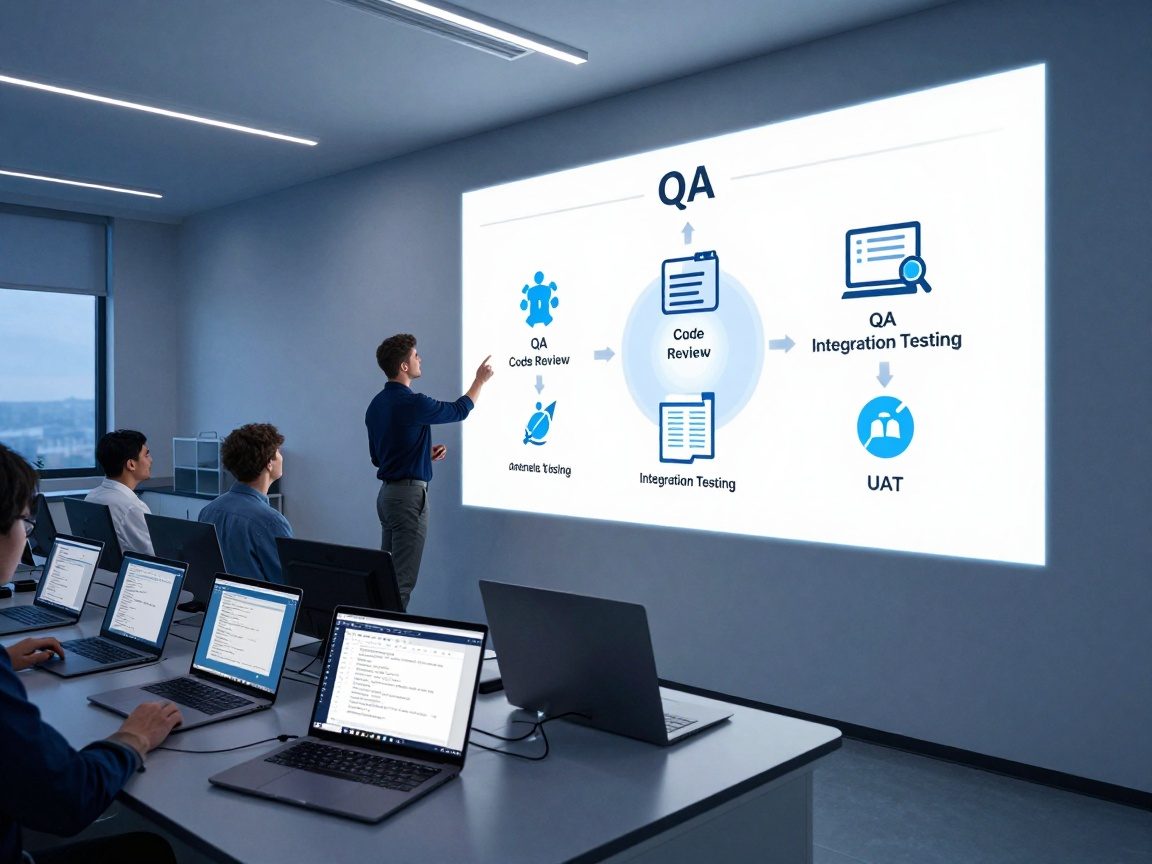
Quality assurance (QA) is the process of ensuring that a project meets its defined requirements and specifications. As a Team Leader/Project Manager, you’ll need to implement robust QA processes, including code reviews, unit testing, integration testing, and user acceptance testing (UAT). You will work closely with the QA team to ensure the design is tested thoroughly and that any defects are identified and resolved promptly. Consistent testing and the feedback loop it provides are essential to project success.
Adhering to Industry Standards and Regulations
Depending on the project and industry, there may be specific standards and regulations that must be followed. These might include security standards, privacy regulations, or industry-specific compliance requirements. The Team Leader/Project Manager must be aware of these requirements and ensure the technical design adheres to them. This might involve working with legal and compliance teams, conducting security audits, and implementing appropriate security measures.
Staying Updated on Technology Trends: Staying Ahead of the Curve
The tech landscape is constantly evolving. The Team Leader/Project Manager must be a lifelong learner, always staying abreast of the latest trends and technologies.
Continuous Learning and Skill Development
The field of technology is never static. The Team Leader/Project Manager must commit to continuous learning and skill development. This can involve attending conferences, taking online courses, reading industry publications, and participating in professional development programs. By staying up-to-date on the latest trends and technologies, you can ensure your skills are relevant and that you are making the best choices for your project.
Identifying and Integrating New Technologies
Staying informed also means knowing when to embrace new technologies. The Team Leader/Project Manager must be able to identify emerging technologies that could benefit their projects. This may involve researching new tools and platforms, conducting POC tests, and assessing the potential impact of new technologies on project goals. It’s about staying curious and proactive.
Documentation and Knowledge Sharing: Building a Knowledge Base
Documentation and knowledge sharing are essential for project success and team cohesion.
Best Practices for Documentation
Proper documentation is a sign of a well-run project. As a Team Leader/Project Manager, you should establish documentation best practices, including defining the types of documents needed, outlining the structure of each document, and setting up version control and accessibility standards. Clear, concise, and up-to-date documentation saves time, reduces errors, and ensures everyone is on the same page.
Promoting Knowledge Sharing within the Team
Knowledge should be freely shared among the team. A Team Leader/Project Manager must cultivate a culture of knowledge sharing. This might involve setting up knowledge-sharing sessions, creating a central knowledge base, and encouraging team members to share their expertise. The more everyone on the team learns and grows, the more successful the project will be.
The Interplay of Team Leadership and Project Management in Architecture
So, where do the skills of team leadership and project management come into play in this technical world?
Guiding the Team towards Architecture Goals
The Team Leader/Project Manager needs to translate the architectural vision into clear goals. The Team Leader is responsible for guiding the team toward architectural goals. This involves creating a clear vision of how the architecture should be, articulating the goals effectively, and keeping the team motivated and engaged. They can do this through regular check-ins and feedback. The team lead inspires the team to reach its potential.
Time Management and Scheduling
Managing time is the core of project management. Architecture projects have deadlines. Therefore, the Team Leader must ensure that architecture deliverables are delivered in a timely manner. This includes creating a detailed schedule, setting realistic deadlines, and managing resources effectively. When issues arise, the Team Leader must find ways to reduce the impacts. The Team Leader must also track the team’s progress and keep stakeholders informed of any changes.
Measuring Success: Key Performance Indicators (KPIs) for Architectural Projects
How do you know if you’re succeeding? By measuring progress and making adjustments.
Defining KPIs
Key performance indicators (KPIs) are the metrics you use to measure the success of your projects. As a Team Leader/Project Manager, you’ll work with stakeholders to define KPIs that align with project goals. These might include metrics like system performance, security vulnerabilities, customer satisfaction, or project completion time.
Monitoring Progress and Making Adjustments
Once the KPIs are defined, you’ll need to monitor progress against those metrics. This might involve tracking system performance, conducting regular security audits, or collecting customer feedback. If the project is not meeting its KPIs, it’s the Team Leader/Project Manager’s responsibility to identify the root causes and make necessary adjustments. This might involve reallocating resources, modifying the design, or adjusting the project schedule.

Conclusion: Leading the Charge in Technical Design & Architecture
The role of a Team Leader/Project Manager in technical design and architecture is challenging but incredibly rewarding. By mastering the skills outlined in this article, you can guide your team to create robust, efficient, and successful technology solutions. From defining the architectural vision to ensuring design quality and staying on top of the latest trends, you are the driving force behind your project’s success. Embrace the challenge, embrace the learning, and lead the charge!
FAQ
1. What are the essential skills for a Team Leader/Project Manager in technical design and architecture?
Essential skills include: technical proficiency, strong communication and collaboration skills, analytical thinking, problem-solving abilities, a deep understanding of project management methodologies, and the ability to stay updated with technological advancements.
2. How do I ensure effective collaboration within my team?
Foster open communication channels, encourage regular team meetings and brainstorming sessions, use collaborative tools for documentation and project management, and establish clear roles and responsibilities within the team.
3. What is the best way to stay updated on technology trends?
Follow industry blogs and publications, attend conferences and webinars, participate in professional development programs, and network with other professionals in the field.
4. How can I measure the success of an architectural project?
Define and track Key Performance Indicators (KPIs) that align with the project goals. Some examples include system performance metrics, security vulnerability assessments, and customer satisfaction feedback.
5. What are some common challenges in technical design and architecture, and how can a Team Leader/Project Manager address them?
Common challenges include scope creep, changing requirements, and technological complexities. The Team Leader/Project Manager must establish a clear scope, manage change effectively, and ensure the team has the resources and support needed to overcome technical hurdles.