
table of contents
Sprint Planning & Execution – A Project Manager’s Guide
Introduction: The Project Manager’s Agile Dance
Alright, let’s get down to business. In the dynamic world of project management, the Agile methodology has become more than just a buzzword; it’s a way of life. And within this agile universe, Sprint Planning & Execution is where the rubber truly meets the road. As a project manager, you’re the choreographer, the conductor, the linchpin ensuring that sprints – these short, focused bursts of work – are a success. This isn’t a rigid, inflexible process; rather, it’s a dance. A dance of planning, execution, adaptation, and continuous improvement. It’s a rhythm that requires adaptability, keen observation, and an unwavering commitment to the team’s success. The goal? To deliver value incrementally, respond to change, and keep everyone (and the project) on track.
Facilitating Sprint Planning: Setting the Stage
The sprint planning meeting is where the magic starts to happen. It’s your chance, as the project manager, to help set the stage for a productive sprint. This is where we build a solid foundation for the work ahead. It’s not just a meeting; it’s a collaborative workshop where you, the team, and the stakeholders align on what needs to be done. We want to ensure everyone’s clear on what the team needs to achieve over the next couple of weeks. This is your chance to lead with a vision, ensure alignment, and empower the team to own their work.
Preparing for the Sprint Planning Meeting
Before you even step foot into the sprint planning meeting, you’ve got some prep work to do. You’ll want to make sure all the necessary stakeholders are invited. Ensure everyone is aware of the meeting’s purpose, agenda, and any pre-reading materials. Often, this involves reviewing the product backlog with the product owner to understand the prioritized items. This helps you determine what’s achievable, while also ensuring that everyone is on the same page before the meeting even begins. Communicate any relevant information to the team well in advance so that they can also come prepared. This includes any dependencies, constraints, or previous sprint results.
Defining Sprint Goals: The North Star
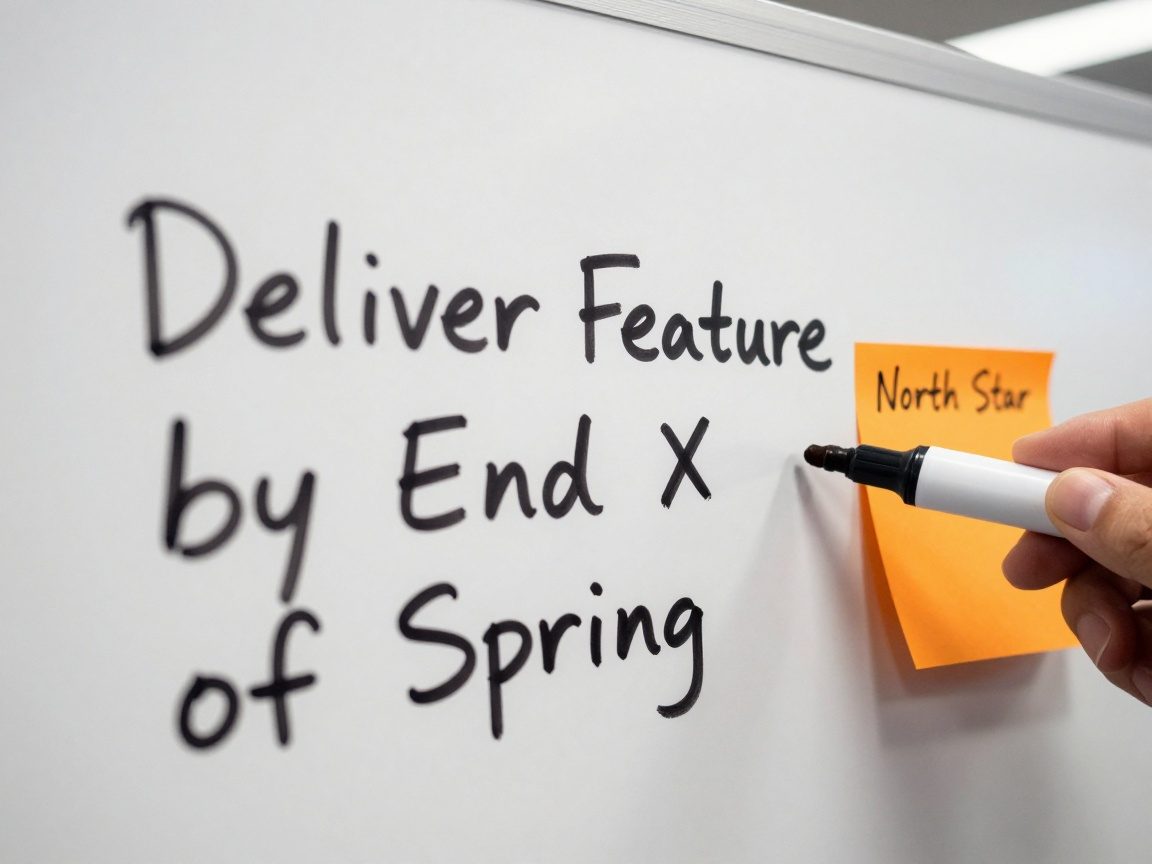
During the sprint planning meeting, your primary responsibility is to facilitate the team in establishing a clear, concise, and measurable sprint goal. This goal serves as the “North Star” for the entire sprint. It should be focused and represent the value that the team intends to deliver. Make sure the goal aligns with the overall project objectives and the product vision. The goal helps everyone stay on track and focused on the most important tasks during the sprint. Guide the team in defining a goal that is realistic and achievable within the sprint timeframe.
Estimating Effort & Assigning Tasks
With the sprint goal established, the team must then estimate the effort required to complete each task. The method can vary, whether it’s using story points, hours, or another estimation technique. Help the team break down each item into smaller, manageable tasks. This process allows for a more accurate assessment of the workload. Collaborate with the team to estimate the effort required. Encourage open discussion and debate to reach a consensus. Finally, assign each task to team members based on their skills, experience, and availability.
Monitoring and Tracking Sprint Progress: Keeping an Eye on the Ball
Once the sprint kicks off, the project manager’s role shifts to monitoring and tracking progress. You’re the one keeping an eye on the “ball” and ensuring everything moves smoothly. This is about more than just watching a task list; it’s about creating visibility, identifying potential issues early on, and enabling the team to remain focused. Utilize various tools and techniques to track the team’s journey, and stay connected to the work. The key here is visibility – making sure everyone can see how the sprint is progressing.
Utilizing Sprint Boards and Visualizations
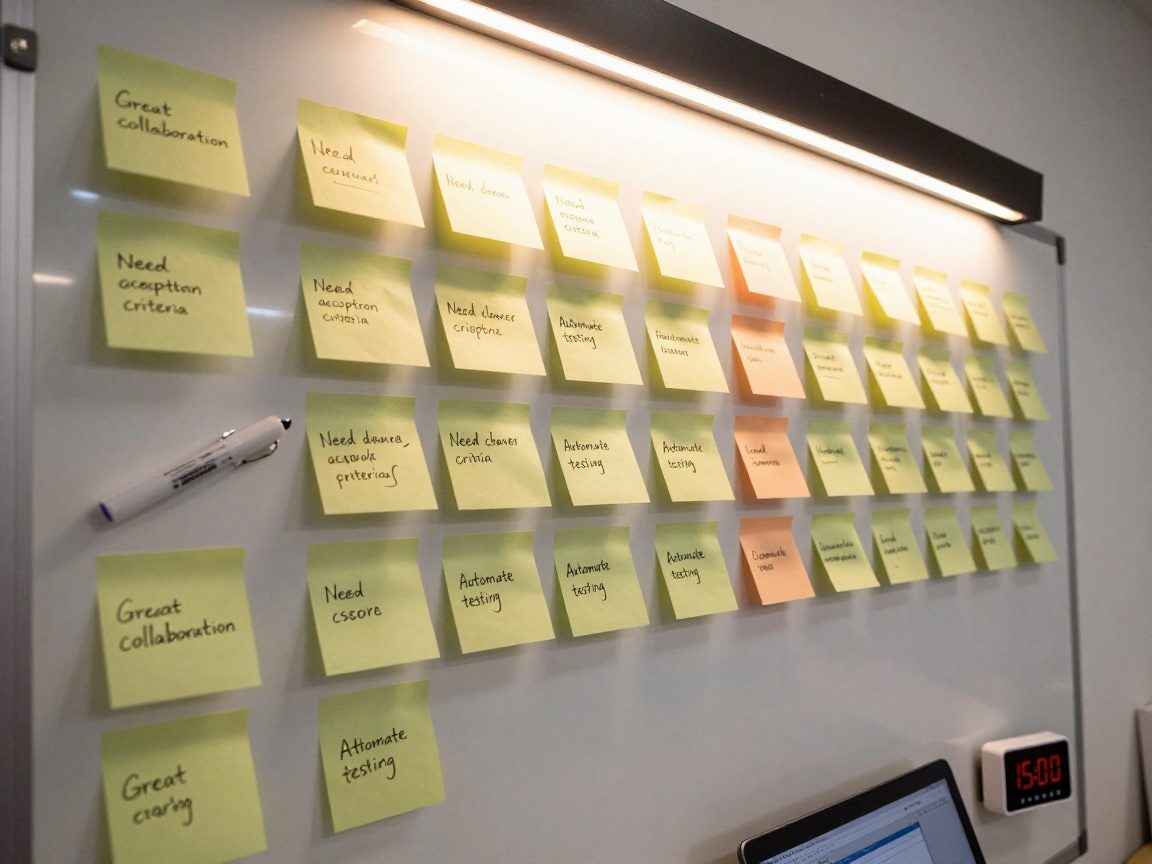
Sprint boards are the heartbeat of sprint tracking. Whether you opt for a physical board with sticky notes or a digital board using software like Jira or Trello, these boards provide a visual representation of the sprint’s progress. Ensure that the board is up-to-date with the current status of each task. Use clear, concise columns to reflect the stages of work such as “To Do,” “In Progress,” “In Review,” and “Done.” These visualizations offer the team a high-level overview of the tasks at hand. The project manager should regularly check the board to note any bottlenecks or tasks that are falling behind.
Daily Stand-ups: The Pulse of the Sprint
Daily stand-up meetings are the daily check-ins. They’re a quick and efficient way to gather the team. They offer a chance to understand the daily work and any potential hurdles. As a project manager, you should facilitate these meetings to ensure they remain focused and productive. Each team member answers three key questions: What did you accomplish yesterday? What will you do today? Are there any impediments or roadblocks? Stand-ups are a fantastic opportunity for the team to collaborate and solve challenges together, providing a regular cadence for communication.
Tracking Velocity and Burn-Down Charts
Velocity is the rate at which the team completes work during a sprint. Burn-down charts provide a visual representation of the work remaining in the sprint. They show the rate at which the team is completing tasks. You’ll use burn-down charts to track your team’s progress. These charts help you identify trends and foresee if the team will meet its sprint goal. This is how you can see if the sprint is on track or if adjustments are needed. Make sure the velocity and burn-down charts are clearly visible and regularly updated.
Impediment Removal: Clearing the Path
Obstacles and roadblocks are inevitable in any project. This is where you, as the project manager, shine – by removing them swiftly and effectively. These are the issues that slow down or block the team’s progress. You act as the team’s advocate. You focus on making sure the team has what it needs to deliver value. Your role is to identify these impediments quickly and resolve them as efficiently as possible.
Identifying and Addressing Roadblocks
The first step is to actively identify any roadblocks that are impeding the team’s work. This is where your active participation in daily stand-ups and constant communication come into play. Listen carefully to team members during stand-ups. Pay attention to any recurring themes or complaints. Also, look at the Sprint board to spot any tasks that are consistently blocked or delayed. Once an impediment is identified, take immediate action to address it. This may involve coordinating with other teams, removing bureaucratic hurdles, or providing the team with the tools they need.
Escalating Issues When Necessary
Some impediments may be beyond your immediate scope. In these cases, you must escalate the issue to the appropriate stakeholders. This could include senior management, product owners, or other relevant departments. When escalating an issue, provide clear information about the problem. Explain the impact on the sprint and what actions are needed to resolve it. Then follow up to ensure the issue is addressed and resolved as quickly as possible. Proactively communicating the status of the issue until the solution is found, maintains transparency and accountability.
Sprint Review and Retrospective: Learning and Adapting
The sprint review and retrospective meetings are the final stages of each sprint. They are essential to the agile process. They offer the team a chance to celebrate successes. They also offer a chance to learn from any setbacks. Sprint reviews showcase the work completed during the sprint to stakeholders. Sprint retrospectives focus on the team’s performance and how the process can be improved in future sprints.
Sprint Review: Showcasing the Work

The sprint review is a demo of the work completed during the sprint to stakeholders. Its purpose is to gain feedback. Invite stakeholders to review the completed work and offer their feedback. The team should demonstrate the new features or functionality, highlighting the value delivered. Provide a clear and concise presentation. Encourage stakeholders to ask questions and provide constructive feedback. This feedback is crucial for the next sprint planning.
Sprint Retrospective: Continuous Improvement
The sprint retrospective is a meeting where the team reflects on the sprint. The goal is to improve the way the team works together. The meeting focuses on what went well, what could be improved, and any action items for the next sprint. Facilitate this discussion by asking open-ended questions. Encourage all team members to participate and share their perspectives. Document the key takeaways and any action items for the next sprint. Make sure action items are assigned and tracked to completion.
Risk Management: Navigating the Choppy Waters
Every project comes with risks. But, an agile approach does not simply accept risks. It helps you manage them proactively. You’ll want to identify potential risks early on, develop mitigation strategies, and monitor these risks. This proactive approach minimizes potential disruptions. It helps keep the project on track.
Identifying Potential Risks
The first step is to identify all potential risks that could affect the sprint. This involves reviewing the project plan, the product backlog, and the overall project goals. Encourage the team to participate in this process. Utilize brainstorming sessions to uncover potential risks. Consider all possible issues, from technical challenges to resource constraints. Document all identified risks and their potential impact.
Developing Mitigation Strategies
Once the risks are identified, develop strategies to mitigate them. For each risk, create a plan that outlines how to reduce its impact. This may involve creating contingency plans. It might also include proactive measures like testing. Assign ownership for each mitigation strategy to a team member. Monitor all strategies regularly to ensure their effectiveness. If a risk occurs, implement the mitigation plan immediately to minimize the impact.
Communication and Collaboration: The Glue That Holds It Together
Effective communication and strong collaboration are essential for any successful sprint. These create a collaborative environment where everyone is informed and empowered. As the project manager, you’ll be responsible for establishing clear communication channels. Also, you should promote open communication. You will also create opportunities for team collaboration.
Fostering Open Communication
Create a culture of open and honest communication. Establish clear communication channels. Make sure everyone knows how to communicate with each other. Make sure to use a variety of tools such as instant messaging, email, and project management software. Hold regular meetings, such as the daily stand-ups and sprint reviews, to keep everyone informed. Encourage active listening. Also, create an environment where team members feel comfortable sharing ideas, concerns, and feedback.

Promoting Team Collaboration
Facilitate opportunities for team collaboration. Encourage team members to work together to solve problems. Use collaborative tools such as shared documents, whiteboards, and virtual collaboration platforms. Promote a culture of shared responsibility and accountability. Recognize and celebrate team successes. Promote collaboration across different teams.
Documentation: The Paper Trail (or Digital Trail)
Documentation is an essential component of any project. Although Agile emphasizes working software over comprehensive documentation, it does not dismiss the importance of effective documentation. Keep records to provide clarity. This offers the information necessary for successful sprint planning and execution. It also provides a valuable resource for future projects.
Maintaining Clear and Concise Documentation
Document all key aspects of the sprint, including the sprint goal, the product backlog items, and the sprint backlog. Use clear, concise language. Make sure the documentation is easy to understand. Use templates and standardized formats to ensure consistency. Keep all documentation organized and easily accessible.
Updating Documentation Regularly
Maintain your documentation regularly. Update it as the sprint progresses. Reflect any changes in scope, tasks, and any decisions made. Ensure that the documentation accurately reflects the current status of the project. Regularly review and update documentation to keep it relevant and useful.
The Project Manager’s Toolkit for Sprint Execution
As a project manager, you need the right tools. This includes software, essential skills, and a positive attitude. These tools will enable you to effectively manage sprints. They will also empower your team to deliver high-quality results.
Agile Project Management Software and Tools
Utilize various software and tools to manage sprints. Project management software such as Jira, Asana, and Trello are essential. They offer features such as sprint planning, task tracking, and team collaboration. These tools also provide great analytics. Select the tools best suited for your team’s needs and the project’s requirements. Take the time to get to know the tool. Regularly review the features of these tools and incorporate them into your process.
Essential Soft Skills
As a project manager, you also need these essential soft skills. Strong communication, leadership, and problem-solving are crucial. Excellent communication skills are critical for facilitating meetings, providing updates, and managing stakeholder expectations. Strong leadership skills will allow you to guide and motivate the team. Being a problem-solver lets you anticipate and mitigate risks. Build strong relationships with the team and stakeholders.
Conclusion: Embracing the Agile Mindset
In short, Sprint Planning & Execution is a project manager’s core responsibility. It’s about leading a team to deliver value in short, iterative cycles. You wear many hats, from facilitator and problem-solver to communicator and coach. Remember, it is about more than just using tools; it is about creating a thriving, collaborative environment. You must also embrace change. By mastering these key areas, you’re not just managing sprints. You are cultivating a culture of continuous improvement. The journey will not be easy. But, with the right mindset, a willingness to learn, and the ability to adapt, you can lead your team to success.
FAQs
1. How do I handle a team member consistently missing deadlines during a sprint?
Address this head-on. First, have a private, honest conversation with the team member. Try to understand the root cause. Are they overloaded, facing roadblocks, or lacking skills? Offer support, such as additional training or task re-allocation. If the issue continues, escalate it to your management for further action.
2. What should I do if the sprint goal isn’t achievable during sprint planning?
The sprint goal should be realistic. If the team realizes, during planning, that the goal is unachievable, don’t force it. Re-evaluate the scope of work. Decompose items into smaller tasks. Re-prioritize, or adjust the goal. Transparency with stakeholders is critical.
3. How often should I update the Sprint board?
The Sprint board should be updated daily. During or after each daily stand-up, the team should update the board. This is crucial to ensure an accurate visual representation of progress. This will help with identifying roadblocks.
4. What is the role of the Product Owner in Sprint Planning and Execution?
The Product Owner defines and prioritizes the Product Backlog. They work with the team during Sprint Planning to clarify backlog items and provide guidance. They’re available to answer questions throughout the sprint. They also review the Sprint results in the Sprint Review.
5. How can I improve the effectiveness of Sprint Retrospectives?
Prepare an agenda. Ensure active participation from everyone. Focus on specific, actionable items. Use various retrospective techniques. For example, the “Start, Stop, Continue” or “Glad, Sad, Mad” framework. Encourage open, honest feedback. Assign owners to action items and track their progress.