
table of contents
Sprint Planning & Execution: The Product Owner’s Guide to Agile Success
Hey there! If you’re a Product Owner, or aspiring to be one, you’ve probably heard the buzz about agile methodologies and the power of sprints. Sprints are like the engine that drives the agile train. It is a time-boxed period where a specific set of work is accomplished. However, the journey isn’t always smooth sailing, especially in the fast-paced world of product development. Let’s break down the essential guide to Sprint Planning & Execution. That way, you can be the Product Owner who steers the ship to success.
Understanding the Agile Sprint Framework
Before we jump into the nitty-gritty, let’s get a solid foundation. What exactly is a sprint?
What is a Sprint?
Think of a sprint as a focused burst of work, usually lasting between one to four weeks. During a sprint, the development team works to deliver a potentially shippable increment of the product. This could be a new feature, a set of bug fixes, or any other deliverable that moves the product closer to its goals. It is a structured period, with a specific start and end date. This structure provides a rhythm and predictability that helps the team stay on track.
Why Sprint Planning Matters
Why is this time-boxed approach so important? Sprint Planning provides several crucial benefits. Firstly, it forces teams to plan ahead, setting clear goals and expectations. Secondly, it encourages collaboration and communication among team members. Thirdly, it allows for regular feedback and course correction. Finally, it enables the team to deliver value incrementally, reducing risk and increasing the chances of success. Sprints are essential in the world of agile product development.
The Product Owner’s Key Role in Sprint Planning
As a Product Owner, you’re the voice of the customer, the champion of the product vision, and the bridge between the development team and the stakeholders. This is where your role as a Product Owner really comes into play during Sprint Planning and Execution. Let’s explore the different ways you can be the most effective.
Preparing for Sprint Planning: Backlog Refinement
Imagine building a house. Before you start pouring the foundation, you need to have blueprints, right? Backlog refinement is like creating those blueprints for your sprints. The product backlog is a prioritized list of all the features, bug fixes, and other tasks that need to be done for your product. Backlog refinement is the process of grooming the product backlog so it’s ready for the upcoming sprint. This involves clarifying requirements, estimating effort, and ensuring that the items are well-defined. If you do not spend enough time in backlog refinement you will suffer.
The Sprint Planning Meeting: A Deep Dive
This is where the magic happens! The sprint planning meeting is where the team comes together to plan the next sprint. This is where the team agrees on what they can commit to delivering during the sprint. Several key activities occur during this meeting.
Defining the Sprint Goal
Before diving into the details, the team aligns on a sprint goal. What is the primary objective of this sprint? What business value will be delivered? A clear sprint goal sets the tone for the sprint and ensures that everyone is working towards the same objective. Think of it as your compass for the next few weeks.

Selecting Items from the Product Backlog
With the sprint goal in mind, you (as the Product Owner) and the development team select items from the product backlog to include in the sprint. The development team needs to consider their capacity (how much work they can realistically complete). These items should align with the sprint goal and provide value to the product. Ensure all items are easily understandable.
Estimating Effort and Capacity
How long will it take to complete these tasks? The development team estimates the effort required for each item, usually using story points. Story points are a relative measure of the effort required. The team then considers its capacity, the amount of work they can realistically complete during the sprint. The team plans a course of action based on these factors.
Sprint Execution: Keeping the Train on the Tracks
Once the sprint planning meeting is over, it’s time to execute the plan. This is where the rubber meets the road. As a Product Owner, your role shifts to supporting the development team and ensuring they have everything they need to be successful.
Sprint Goal Communication: Clarity is King
Make sure the sprint goal is crystal clear. Communicate it to the team, stakeholders, and anyone else involved. Use visual aids, like a prominent display in the team’s workspace. The more people understand the sprint goal, the more likely they will be to work towards it.
Daily Stand-up Meetings: Staying Synchronized
These short, daily meetings (usually lasting 15 minutes or less) are a crucial part of sprint execution. This is where the development team shares their progress, discusses any roadblocks they are facing, and plans for the day. This provides the team an opportunity to get back on track.
Impediment Removal: Clearing the Path
As a Product Owner, your main goal during the Sprint is to clear any roadblocks. That means being proactive in identifying and removing obstacles that might prevent the team from completing their work.
Identifying and Escalating Obstacles
Keep your eyes open for anything that might be slowing the team down. This could be anything from technical issues to dependencies on other teams. It might be hard to deal with problems, but it is important. Encourage the team to raise any impediments.
Solutions and Problem-Solving

Once you have identified an impediment, work with the team to find solutions. This could involve contacting another team, securing additional resources, or adjusting the sprint backlog. Focus on solutions, not problems.
Sprint Review and Retrospective: Learning and Adapting
The sprint review and retrospective are two essential ceremonies that help teams learn, adapt, and improve. They are your opportunity to get feedback, celebrate successes, and make sure your process is working effectively.
The Sprint Review: Demonstrating Value
At the end of each sprint, the development team demonstrates the work they have completed to stakeholders. This is an opportunity to showcase the product increment and gather feedback. Use this as an opportunity to celebrate the team’s hard work.
The Sprint Retrospective: Continuous Improvement
Immediately following the sprint review, the team holds a retrospective. This is a meeting where the team reflects on the past sprint, identifying what went well, what could have been better, and what actions they can take to improve in the future. The goal is to continuously improve the team’s processes and ways of working. Don’t be afraid to suggest changes.
Prioritization & Reprioritization: Adapting to Change
Prioritization is a crucial skill for any Product Owner. The product backlog is constantly evolving, and you must be able to adapt to changing circumstances.
Prioritizing with a Purpose
When prioritizing the product backlog, you need to consider several factors. What is the business value of each item? What is the level of effort required? What are the risks involved? Use a prioritization framework, such as the MoSCoW method or the Kano model, to help you make informed decisions. Make sure the product backlog is properly arranged.
When and How to Reprioritize
Things change. New information emerges. Market conditions shift. As a Product Owner, you must be prepared to reprioritize the product backlog as needed. Be transparent with the team and stakeholders about the reasons for the changes.
Tools and Techniques for Effective Sprint Management
There are many tools and techniques that can help you manage sprints effectively.
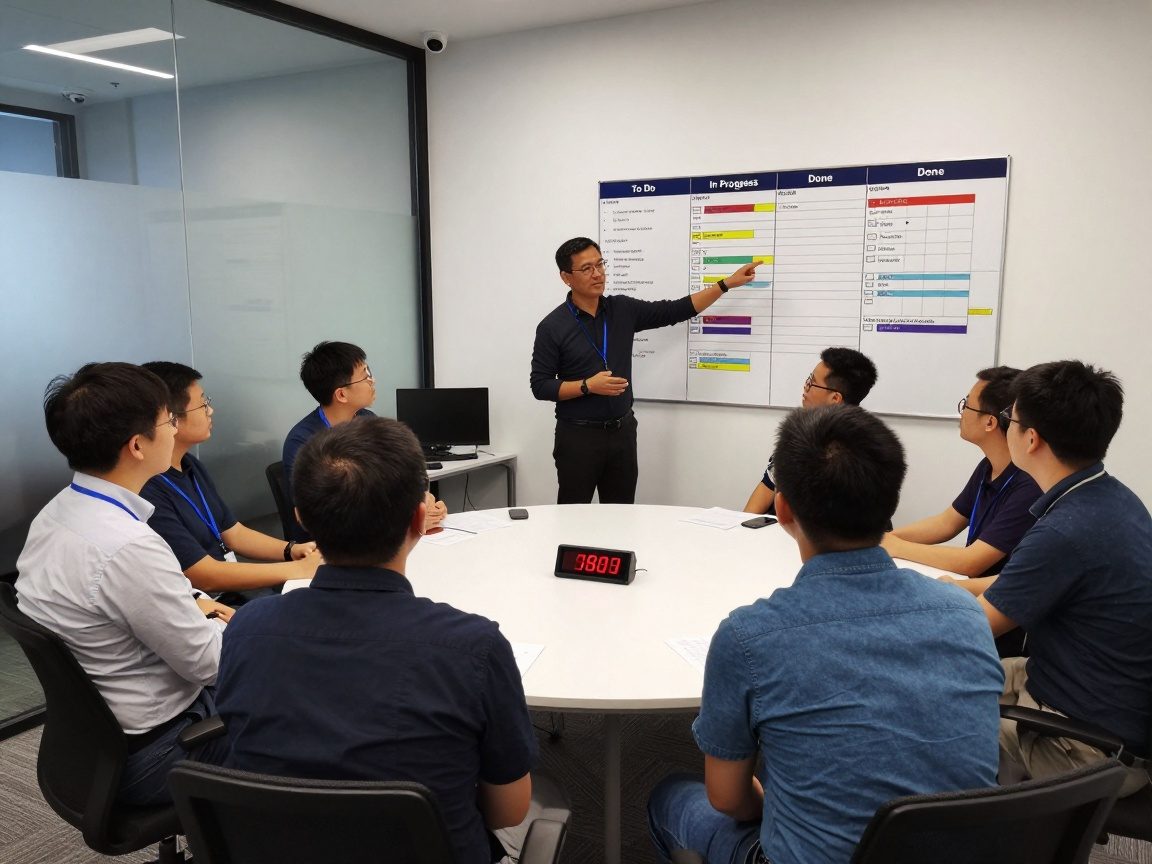
Agile Project Management Software
Software like Jira, Azure DevOps, or Trello can help you manage your product backlog, track progress, and collaborate with your team. Many of them are popular, so pick one that fits you.
Communication and Collaboration Tools
Use communication tools like Slack or Microsoft Teams to keep the team connected and informed. Use collaboration tools like Confluence or Google Docs to document requirements, share information, and facilitate discussions.
Measuring Success: Key Performance Indicators (KPIs)
How do you know if your sprints are successful? By tracking key performance indicators (KPIs).
Velocity
Velocity is the average amount of work a team completes during a sprint. Track this over time to measure the team’s productivity and identify trends. Pay attention to the velocity of a project over time.
Sprint Goal Achievement
Are you consistently achieving your sprint goals? Track the percentage of sprints where the team successfully delivers on the sprint goal. Make sure you set clear goals for the team.
Common Challenges and How to Overcome Them
Even with the best planning and execution, challenges can arise. Here are some common problems and how to tackle them.
Scope Creep
This is when the scope of the sprint expands beyond what was originally planned. Prevent scope creep by setting clear boundaries for each sprint. Make sure the requirements are well-defined.
Lack of Team Commitment
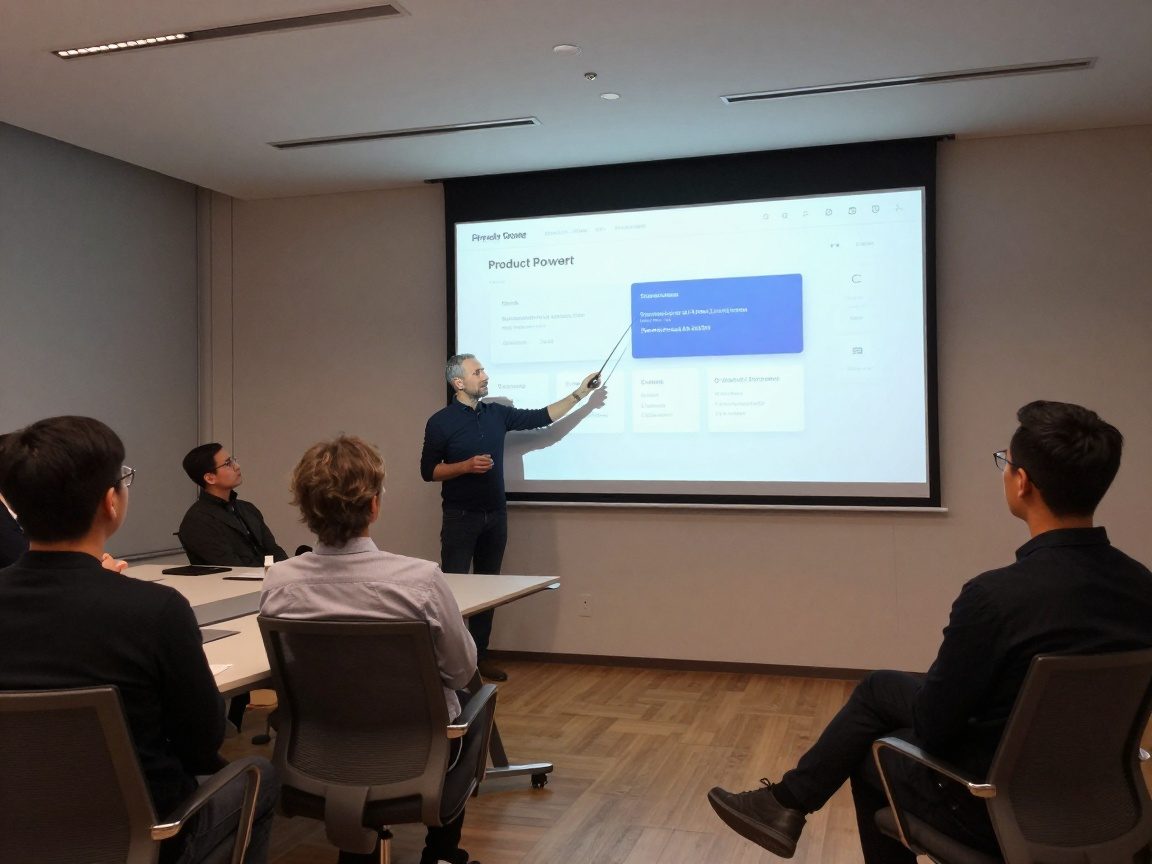
This can happen if the team doesn’t feel invested in the sprint goal. Involve the team in the planning process, so they feel ownership over the work. Create a sense of shared purpose.
Conclusion: Mastering Sprint Planning for Product Excellence
Sprint Planning & Execution is more than just a process; it’s a mindset. It’s about embracing agility, fostering collaboration, and constantly striving for improvement. As a Product Owner, your role is crucial in ensuring the success of each sprint. By mastering the techniques and principles outlined in this guide, you can become the Product Owner who leads their team to product excellence. So, go forth, plan your sprints, execute with precision, and watch your product thrive!
FAQs
1. How often should a team hold sprint planning meetings?
Teams should hold sprint planning meetings at the beginning of each sprint, usually every one to four weeks, depending on the sprint length.
2. What should be included in a sprint goal?
A sprint goal should be a concise statement of what the team aims to achieve during the sprint, focusing on delivering value and aligning with the overall product vision.
3. What are some effective techniques for backlog refinement?
Effective backlog refinement includes breaking down large items into smaller, more manageable tasks; estimating the effort required; and ensuring that requirements are clear and well-defined, often using the INVEST principles (Independent, Negotiable, Valuable, Estimable, Small, Testable).
4. How do you handle changes or new information during a sprint?
Changes are addressed through a process of re-prioritization with the stakeholders and the development team. If it is critical, make changes immediately.
5. What are some key metrics to measure sprint success?
Key metrics for sprint success include velocity, sprint goal achievement, and the number of bugs resolved.