
table of contents
Data Protection and Privacy: A Security Engineer’s Domain
Data has become the lifeblood of the modern world, fueling innovation, driving business decisions, and connecting people globally. But with this ever-increasing reliance on data comes a critical need: safeguarding its confidentiality, integrity, and availability. This is where the security engineer steps in. Within the bustling field of Information Technology, where technology constantly evolves, security engineers are the vigilant protectors of this digital universe. They are the first line of defense against the ever-present threats of data breaches, privacy violations, and malicious attacks. Security engineers bring a unique blend of technical expertise, risk management skills, and a deep understanding of the complex data landscape. Their work is essential in maintaining trust, ensuring compliance, and enabling businesses to operate securely and ethically. In this article, we’ll explore the multifaceted role of a security engineer in data protection and privacy, looking closely at their core responsibilities and the daily challenges they face.
The Vital Role of a Security Engineer
A security engineer is not just another IT professional; they are architects of digital security, the guardians of our data. They stand between the vulnerabilities and the threats. Their primary function is to design, implement, and maintain security measures to protect sensitive information from unauthorized access, use, disclosure, disruption, modification, or destruction. Consider them the builders of digital fortresses, constantly reinforcing their defenses against all sorts of threats. They work with all aspects of security, from data protection and network security to application security, system security, and incident response. This all-encompassing role makes them indispensable to businesses and organizations of all sizes, and especially in today’s digital world where cyberattacks are so prevalent.
Defining the Security Engineer’s Responsibilities
The responsibilities of a security engineer are vast and ever-evolving, reflecting the dynamic nature of cyber threats. At a high level, they have to assess vulnerabilities within the system and its assets to prevent attacks, and implement and maintain security controls across all layers of the organization. They also work on developing and implementing data protection policies and procedures to align with industry best practices and legal regulations. Furthermore, they have to monitor security systems, investigate security breaches, and respond to any incidents. They are tasked with educating and training all employees on security awareness best practices. Security engineers must continuously stay abreast of emerging threats, vulnerabilities, and security technologies to maintain a strong security posture.
Data Security Assessment and Risk Analysis
Before any robust security measures can be put into place, you have to first understand the playing field. This starts with a data security assessment and a detailed risk analysis. This process identifies vulnerabilities and evaluates the threats to your organization’s data.
Understanding the Assessment Process
A data security assessment is a systematic process of evaluating an organization’s current security posture. It’s like a health checkup for your digital systems, identifying weaknesses and vulnerabilities before they can be exploited. The assessment typically involves various activities, including vulnerability scanning, penetration testing, and security audits. Security engineers use a variety of tools and techniques to examine the organization’s networks, systems, applications, and data. The goal is to identify any security gaps and provide recommendations for improvement.
Conducting Risk Analysis: Identifying Threats
Risk analysis is the process of identifying, assessing, and prioritizing security risks. Think of it as mapping out all the potential dangers that could harm your data. This involves identifying the threats that could exploit vulnerabilities, assessing the likelihood of these threats occurring, and evaluating the potential impact on the organization. Security engineers use risk assessment methodologies to evaluate the severity of each risk. They then prioritize risks based on their likelihood and impact, enabling the organization to focus its security efforts on the most critical areas.
Tools and Techniques for Assessment
Security engineers use a range of tools and techniques to conduct data security assessments and risk analysis. Vulnerability scanners like Nessus or OpenVAS automatically scan systems and networks for known vulnerabilities. Penetration testing (pen testing) simulates real-world attacks to identify exploitable weaknesses. Security audits involve a thorough examination of security controls, policies, and procedures to ensure they are effective. Risk analysis frameworks like NIST Risk Management Framework or ISO 27005 help standardize the risk assessment process. These tools and techniques help security engineers gain a comprehensive understanding of an organization’s security posture and risks.
Implementation and Maintenance of Data Security Controls
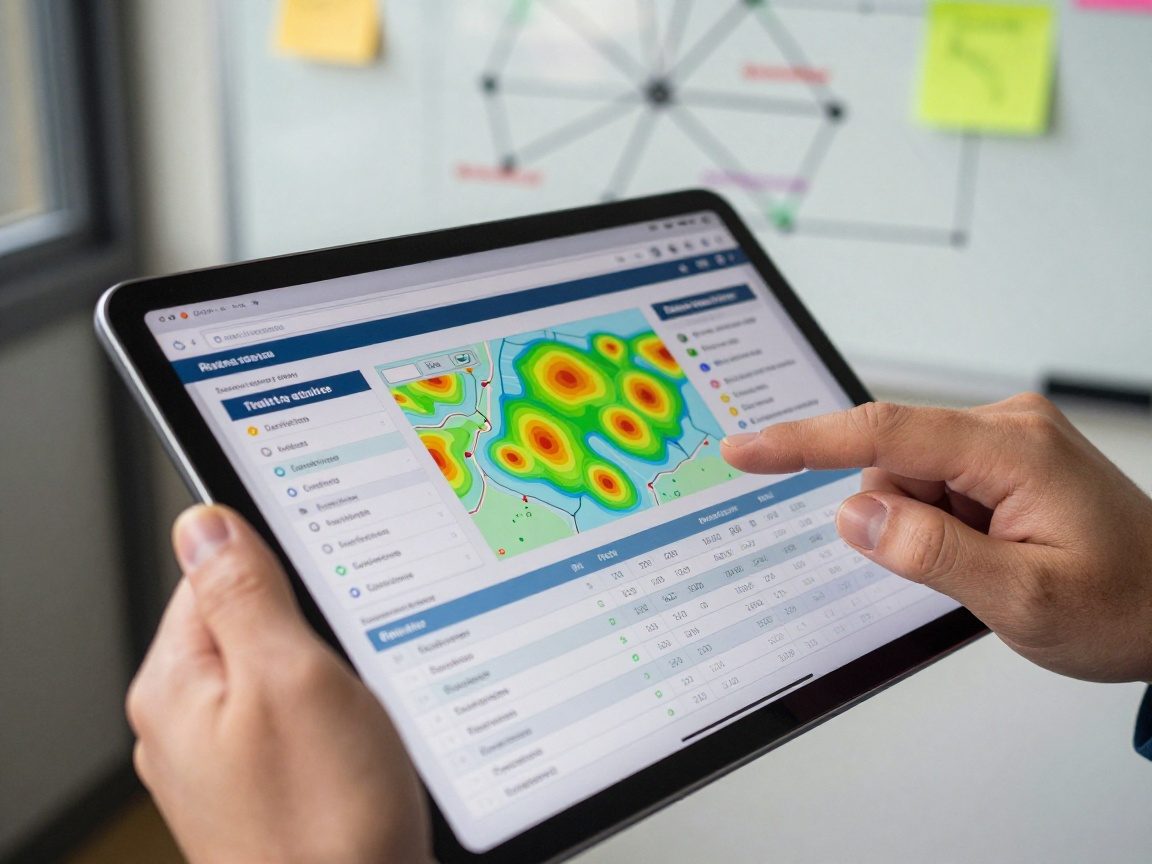
Once the risks are identified, the next step is to implement security controls to mitigate them. Security controls are the safeguards put in place to protect data and systems.
Selecting and Implementing Security Controls
Selecting the right security controls is critical for effective data protection. Security engineers must choose controls that align with the identified risks and the organization’s security policies. These can include technical controls (e.g., firewalls, intrusion detection systems, encryption), administrative controls (e.g., policies, procedures, training), and physical controls (e.g., access control, security cameras). The implementation process involves configuring these controls, integrating them into the existing infrastructure, and ensuring they function as intended.
Access Control and Authorization
Access control is a fundamental security control that limits access to sensitive data and systems to authorized users only. It’s like a digital lock and key, where only those with the correct credentials can enter. Security engineers implement access control measures using techniques like multi-factor authentication, role-based access control, and least privilege principles. Multi-factor authentication adds an extra layer of security by requiring users to provide multiple forms of verification. Role-based access control assigns permissions based on job roles, limiting access to only the resources needed for each role. The principle of least privilege ensures users only have the minimal access necessary to perform their duties.
Data Encryption Strategies
Data encryption is the process of converting data into an unreadable format, making it unintelligible to unauthorized users. This is an extremely valuable asset that needs to be implemented in all systems. It is a vital measure to protect the confidentiality of data. Security engineers employ various encryption strategies, including encryption at rest (encrypting data stored on hard drives), encryption in transit (securing data transmitted over networks), and end-to-end encryption (encrypting data from the sender to the recipient). They use encryption algorithms and key management systems to encrypt and decrypt data securely.
Regular Maintenance and Updates
Security controls are not “set it and forget it.” They require regular maintenance and updates to remain effective. Security engineers are responsible for ensuring that security controls are up-to-date, patched, and configured properly. This includes regularly reviewing security logs, conducting vulnerability scans, and installing security patches. They also must stay informed about new threats and vulnerabilities and adjust the security controls accordingly. Proactive maintenance is essential to maintain a strong security posture and minimize the risk of data breaches.
Data Privacy Compliance: Navigating the Regulatory Landscape
Data privacy is a rapidly evolving field, with new regulations and standards emerging regularly. Security engineers must have a solid understanding of data privacy regulations and ensure their organization complies.
Key Data Privacy Regulations: GDPR, CCPA, and Beyond
Several major data privacy regulations shape how organizations collect, use, and protect personal data. The General Data Protection Regulation (GDPR) in Europe sets strict rules for the collection, processing, and use of personal data of individuals within the European Union. The California Consumer Privacy Act (CCPA) grants California residents specific rights regarding their personal data. Other important regulations include HIPAA (Health Insurance Portability and Accountability Act) for the healthcare industry and PCI DSS (Payment Card Industry Data Security Standard) for organizations that handle credit card information.
Implementing Privacy by Design Principles

Privacy by Design (PbD) is a proactive approach to data privacy that integrates privacy considerations into the design and development of systems, products, and services. It’s about building privacy into the architecture of your systems from the very beginning. Security engineers play a crucial role in implementing PbD principles, which include proactively addressing privacy issues, integrating privacy into the design of systems, and ensuring end-to-end security. This approach helps organizations meet regulatory requirements and build trust with their customers.
Developing and Maintaining Privacy Policies
Privacy policies are essential documents that inform individuals about how their personal data is collected, used, and protected. Security engineers contribute to developing and maintaining these policies, ensuring they accurately reflect the organization’s data handling practices. This includes documenting data processing activities, defining data retention policies, and outlining procedures for handling data subject requests. Privacy policies must be regularly reviewed and updated to reflect changes in regulations, data processing practices, and organizational policies.
Incident Response and Data Breach Management
Despite all efforts, security incidents and data breaches can happen. Security engineers are critical in the incident response process.
Preparing for Data Breaches: Incident Response Plans
An incident response plan (IRP) is a documented set of procedures that an organization follows to address security incidents and data breaches. It’s like a playbook for handling a crisis. Security engineers are central to developing and maintaining IRPs, outlining the steps to take when a security incident occurs. This includes defining roles and responsibilities, establishing communication protocols, and detailing procedures for containment, eradication, and recovery. Regular testing and exercises are critical to ensuring the IRP is effective.
Data Breach Investigation: Containment and Eradication
When a data breach occurs, security engineers lead the investigation to determine the scope and impact of the breach. They quickly work to contain the incident to prevent further damage. This might involve isolating affected systems, blocking malicious traffic, and preserving evidence. They then work on eradicating the threat, removing malware, patching vulnerabilities, and restoring systems to a secure state. Thorough investigations help identify the root cause of the breach and inform future security improvements.
Post-Incident Analysis and Remediation
After a data breach, a post-incident analysis is essential to learn from the incident and improve security. This involves reviewing the incident, identifying the weaknesses that led to the breach, and developing remediation plans. Security engineers create detailed incident reports that document the incident, its impact, the actions taken, and the lessons learned. They implement remediation measures, such as improving security controls, updating policies, and conducting additional training, to prevent future incidents.
Data Security Awareness and Training
Human error is a significant cause of security incidents, so awareness and training are key. Security engineers often take the lead in educating employees about data security and privacy.
Designing Effective Security Awareness Programs

Security awareness programs aim to educate employees about security threats, best practices, and their role in protecting data. These programs include a mix of training materials, such as interactive modules, quizzes, and simulations. Security engineers design these programs, tailoring them to the organization’s specific risks and the roles of different employees. They promote a culture of security awareness, encouraging employees to be vigilant and report suspicious activity.
Phishing Awareness and Training
Phishing attacks are a common threat, where attackers use deceptive emails, messages, and websites to trick people into revealing sensitive information. Security engineers conduct phishing awareness training, teaching employees how to identify and avoid phishing attacks. This involves educating them about common phishing techniques, such as suspicious links, fake websites, and urgent requests for information. Phishing simulations are often used to test employee awareness and identify areas for improvement.
Continuous Learning and Development
The threat landscape is constantly evolving, requiring security engineers and all employees to stay informed. Security engineers encourage continuous learning and development by providing ongoing training, resources, and opportunities for professional growth. This includes participating in industry conferences, obtaining security certifications, and staying informed about the latest threats and vulnerabilities. They foster a culture of continuous learning to ensure that the organization’s security posture remains strong.
Collaboration with Other Teams: The Importance of Teamwork
Data protection and privacy are not the responsibility of a single team. Collaboration is essential for successful security.
Working with IT Operations and Development Teams
Security engineers must collaborate closely with IT operations and development teams to ensure that security is integrated into all aspects of the organization’s IT infrastructure. This includes working with IT operations to configure and maintain security systems and working with development teams to implement secure coding practices and conduct security testing. They provide security expertise, guidance, and support to these teams, ensuring that security is a priority throughout the organization.
Collaborating with Legal and Compliance Teams
Security engineers work with legal and compliance teams to ensure that the organization complies with all relevant data privacy regulations. They provide technical expertise and support for developing and implementing privacy policies, conducting data privacy impact assessments, and responding to data subject requests. They provide information on security incidents and data breaches, informing legal and compliance teams about the impact of security events.
Communicating Security Risks Effectively
Effective communication is key to building trust and fostering a security-conscious culture. Security engineers communicate security risks and issues to various stakeholders, including executives, employees, and customers. They use clear and concise language, avoiding technical jargon where possible. They present information in a way that is easy to understand and actionable, enabling stakeholders to make informed decisions.
The Future of Data Protection and Privacy in the Security Engineer’s Role
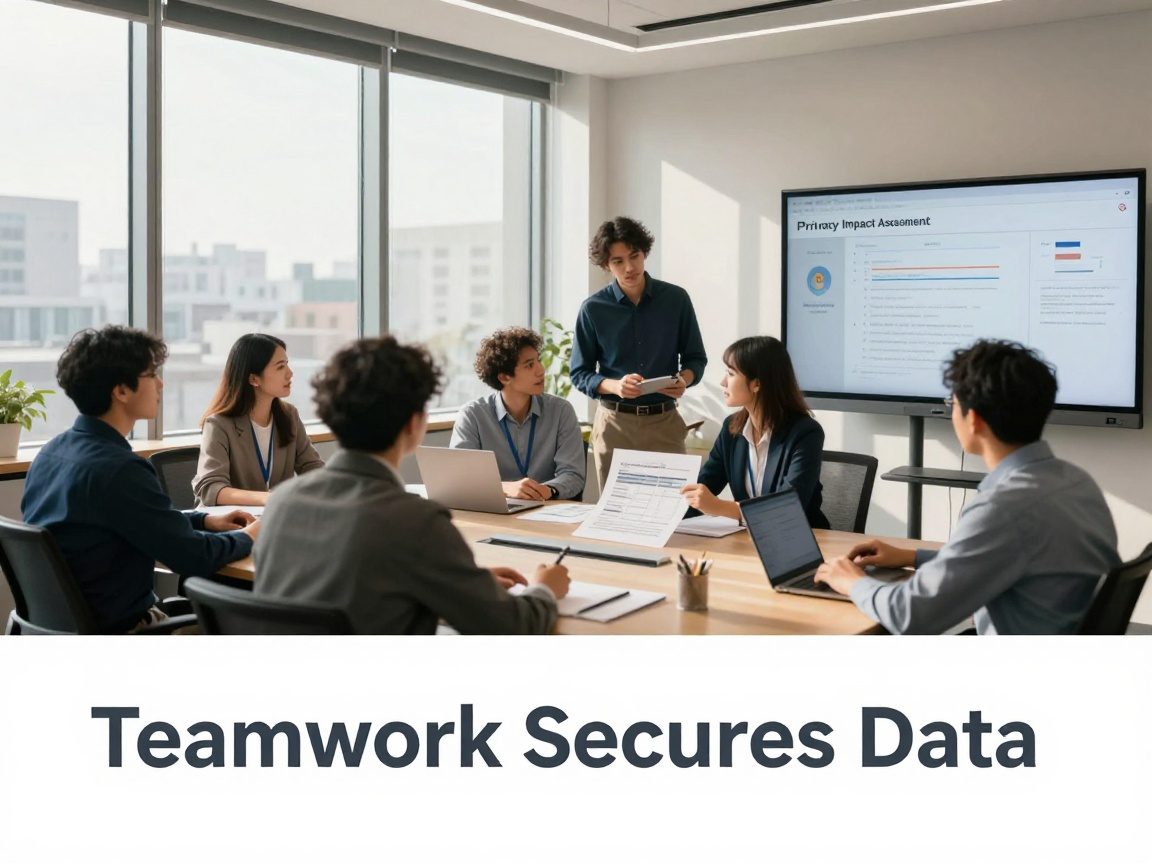
The landscape of data protection and privacy is constantly changing, and the security engineer’s role will continue to evolve to meet emerging challenges.
Emerging Technologies and Their Impact
Emerging technologies, such as artificial intelligence (AI), machine learning (ML), and the Internet of Things (IoT), are transforming how data is collected, processed, and stored. Security engineers must understand the security implications of these technologies and develop strategies to protect data in these new environments. This includes securing AI and ML models, securing IoT devices, and addressing the privacy risks associated with these technologies.
Adapting to Evolving Threats
Cyber threats are constantly evolving, becoming more sophisticated and targeted. Security engineers must adapt to these evolving threats by staying informed about the latest threats, vulnerabilities, and attack techniques. They must implement new security controls and update existing controls to protect against emerging threats. This requires continuous learning, proactive threat hunting, and a commitment to staying ahead of the attackers.
Conclusion: Protecting Data in a Digital World
Data protection and privacy are paramount in today’s digital world. Security engineers are essential, playing a crucial role in safeguarding sensitive information and ensuring the trust and security of organizations and individuals. They are responsible for protecting data from threats, implementing robust security controls, and ensuring compliance with data privacy regulations. They must continuously adapt to the evolving threat landscape, staying informed about emerging technologies, and working with various teams to develop and implement comprehensive security measures. The role of the security engineer is not just a job; it’s a commitment to defending our digital world and protecting the data that powers it.
FAQs
What is the most important skill for a security engineer?
While technical expertise is essential, critical thinking and problem-solving skills are arguably the most important. The ability to analyze complex situations, identify risks, and develop effective solutions is crucial. Adaptability and the ability to learn continuously are also vital in this ever-changing field.
How can I become a security engineer?
A good starting point is a bachelor’s degree in computer science, information security, or a related field. However, experience and certifications like CISSP, CEH, or CompTIA Security+ are often more important than a specific degree. Focus on developing practical skills, gaining experience through internships, and staying current with industry trends.
What are the biggest challenges facing security engineers today?
The ever-evolving threat landscape, the shortage of skilled professionals, and the increasing complexity of IT environments are all significant challenges. Staying ahead of the curve, managing limited resources effectively, and communicating complex security concepts to non-technical stakeholders are also considerable hurdles.
What is the difference between a security engineer and a security analyst?
Security engineers are primarily responsible for designing, implementing, and maintaining security systems and controls. Security analysts focus on monitoring security systems, analyzing security events, and responding to security incidents. While there’s overlap, the engineer typically builds the defenses while the analyst monitors and responds to threats.
How do security engineers stay up-to-date with the latest threats?
Security engineers use a variety of methods, including subscribing to security blogs and newsletters, attending industry conferences and webinars, participating in online forums and communities, and obtaining certifications. They also stay informed through vendor documentation, security alerts, and threat intelligence feeds.