
table of contents
The Open Innovation Manager’s Guide to Challenge Definition & Ideation
Open innovation is the future. It’s how companies harness the collective intelligence of their customers, partners, and the wider world to generate groundbreaking ideas and solve complex problems. But to truly succeed in open innovation, you need a skilled conductor – the Open Innovation Manager. This guide delves into the core of this role: Challenge Definition & Ideation. It’s the starting point for every successful open innovation project, where the right questions are asked, and the most innovative solutions are born.
Let’s face it, open innovation is not just about having an idea. It’s about how you define the problem, what questions you pose, and the way you go about finding the answers. An Open Innovation Manager is central to all of it. They guide the entire process, acting as a bridge between the internal stakeholders and the external innovators. They’re the architects of the challenge, the facilitators of ideation, and the guardians of innovation. This article will give you the framework to create an open innovation program from the ground up.
Identifying and Defining Challenges
Identifying the Right Problems: The Foundation of Open Innovation
You can’t solve a problem if you don’t know what the problem is. You’d be surprised how often this is overlooked. The foundation of any successful open innovation initiative rests on the identification and definition of the right problems. Without a clear understanding of the challenges you face, you’re essentially shooting in the dark, hoping to hit a target you can’t see. Clearly defined challenges act as a compass, guiding the efforts of innovators and ensuring that solutions align with your business goals. Identifying those challenges is crucial, and it’s the first key task of the Open Innovation Manager.
But how do you find those problems? A combination of methods work well: market analysis, which involves understanding industry trends, competitor activities, and customer needs. Internal discussions and brainstorming sessions are also essential, as they can bring together internal perspectives, uncovering bottlenecks and pain points. Consider the challenges in your business – is the customer service experience lacking? Are you having difficulty with a supply chain? All of these challenges are areas that can benefit from open innovation.
The Art of Problem Framing: From Vague to Specific
Once you have a general sense of the challenges, the real work begins. That is transforming them from vague issues into well-defined questions. Imagine you’re presented with a problem like “Improve customer satisfaction.” It’s a noble goal, but it’s way too broad to be actionable. To unlock innovation, you need to break it down into specific, focused questions. This is where techniques like the “How Might We” (HMW) framework come into play.
For instance, instead of “Improve customer satisfaction,” you could ask: “How might we reduce customer wait times on the phone?” or “How might we personalize the online shopping experience?” These HMW questions transform a broad goal into specific avenues for innovation. The Open Innovation Manager needs to have a keen eye for detail, and they must be capable of asking the right questions.
Framing Challenge Statements
Crafting Compelling Challenge Statements: Attracting the Best Minds
Now that you have a well-defined challenge, the next step is to translate it into a compelling challenge statement. A challenge statement is the hook that attracts innovators, sparking their curiosity and encouraging them to contribute their ideas. It’s not just a description of the problem; it’s an invitation to participate, to collaborate, and to create. A well-crafted statement is clear, concise, and inspiring.
The SMART Approach to Challenge Statements
When crafting your challenge statements, it’s critical to use the SMART framework. This means ensuring that your challenge is:
- Specific: Be precise about what you’re trying to solve. Avoid vague language.
- Measurable: Define how you will measure success.
- Achievable: Ensure the challenge is realistic and within the scope of innovation.
- Relevant: Align the challenge with your business goals.
- Time-bound: Set a deadline for submissions or solutions.
For instance, instead of “Develop a new marketing strategy,” a SMART challenge statement might be: “Develop a digital marketing campaign to increase website traffic by 20% within three months.” That tells people what to do, and what their reward will be.
Examples of Strong Challenge Statements

Let’s look at examples of compelling challenge statements:
- For a food company: “How might we reduce the sodium content of our frozen meals by 15% without compromising taste or shelf life?”
- For a technology company: “How can we develop a more user-friendly interface for our new mobile app that is accessible to all users?”
- For a healthcare provider: “How might we reduce patient wait times in the emergency room by 20% while improving patient satisfaction?”
These statements are specific, measurable, and provide enough context for innovators to get started.
Creating Ideation Platforms
Building the Stage for Innovation: Setting Up Ideation Platforms
Once you’ve crafted compelling challenges, you need a space for innovators to share their ideas. This is where ideation platforms come in. These are digital or physical spaces that facilitate the collection, discussion, and evaluation of ideas. The choice of platform depends on the nature of the challenge, the target audience, and the resources available.
Choosing the Right Platform: Matching the Platform to the Challenge
Ideation platforms come in various forms. There are dedicated online platforms designed specifically for open innovation, internal tools, workshop settings, and external challenge portals. When you’re deciding what to use, the Open Innovation Manager must carefully match the platform to the challenge.
- Online Platforms: Best for reaching a wide audience and for challenges that require ongoing input.
- Workshops: Well suited for collaborative problem-solving and rapid prototyping.
- Challenge Portals: Excellent for attracting external innovators and incentivizing participation.
Highlighting the Importance of User Experience and Accessibility
Regardless of the platform, user experience is paramount. The platform should be intuitive, easy to navigate, and accessible to all users. Furthermore, ensure that the platform is accessible to people with disabilities and that you are catering to a global audience. Keep your platforms updated and user-friendly.
Promoting Engagement
Sparking the Fire: Driving Engagement and Participation
A platform is just a tool; it’s up to the Open Innovation Manager to ignite the spark of participation. The more people who get involved, the greater the chances of uncovering game-changing ideas. Engagement is key to unlocking the full potential of open innovation. Creating a culture of collaboration, innovation, and fun is key.
Gamification and Incentives: Keeping the Momentum Going
Gamification, using game-like elements, is a powerful way to boost engagement. Points, badges, leaderboards, and contests can turn the ideation process into a rewarding experience. The Open Innovation Manager might use a simple points system where people get points for submitting ideas and commenting on ideas from others.
Incentives, whether tangible or intangible, are another motivator. Consider offering:

- Recognition: Highlight top contributors in company newsletters and on the platform.
- Prizes: Offer rewards for the best ideas, such as gift cards, extra vacation days, or the chance to present their idea to leadership.
Community Building and Communication
Build a sense of community around the challenge. Regular communication is critical for keeping people informed and engaged. Send updates, respond to questions, and celebrate successes. A thriving community encourages collaboration and keeps the momentum going. You can use these techniques with your own employees and your customers.
Facilitating Idea Generation
Unleashing Creativity: Guiding the Idea Generation Process
Once you’ve got people involved, you want them to generate the best ideas. This is where the Open Innovation Manager helps guide the idea generation process, equipping innovators with the tools and techniques they need to think outside the box. The Open Innovation Manager uses various techniques, acting as a catalyst for innovation.
Techniques for Idea Generation
These are key to helping to get the creative juices flowing:
- Brainstorming: The classic approach – generating as many ideas as possible without judgment.
- Design Thinking: A human-centered approach that focuses on understanding user needs and developing solutions.
- Brainwriting: A silent brainstorming technique where participants write down their ideas and pass them on to others.
- SCAMPER: A checklist-based method that encourages innovators to substitute, combine, adapt, modify, put to other uses, eliminate, and reverse elements of a problem.
The Power of Diversity: Fostering Collaborative Ideation
Innovation thrives on diversity. The Open Innovation Manager should actively foster collaboration by:
- Encouraging Cross-Functional Teams: Bringing together individuals from different departments and backgrounds.
- Creating Virtual Whiteboards: Allowing teams to brainstorm and share ideas remotely.
- Facilitating Idea Pairing: Encouraging people to collaborate on developing and refining each other’s ideas.
Evaluating and Selecting Ideas
Separating the Wheat from the Chaff: Idea Evaluation and Selection
Of course, not all ideas are created equal. The Open Innovation Manager then has to determine how to assess those ideas. This is a crucial stage in the process, separating the groundbreaking concepts from the less promising ones.
Evaluation Criteria
The Open Innovation Manager should develop a clear set of criteria for evaluating ideas. These are key factors to consider:
- Feasibility: Can the idea be realistically implemented?
- Impact: Does the idea have the potential to significantly solve the challenge?
- Novelty: Is the idea new and unique?
- Alignment with Business Goals: Does the idea align with the company’s strategic objectives?
- Cost-Effectiveness: What will be the cost to implement this idea?
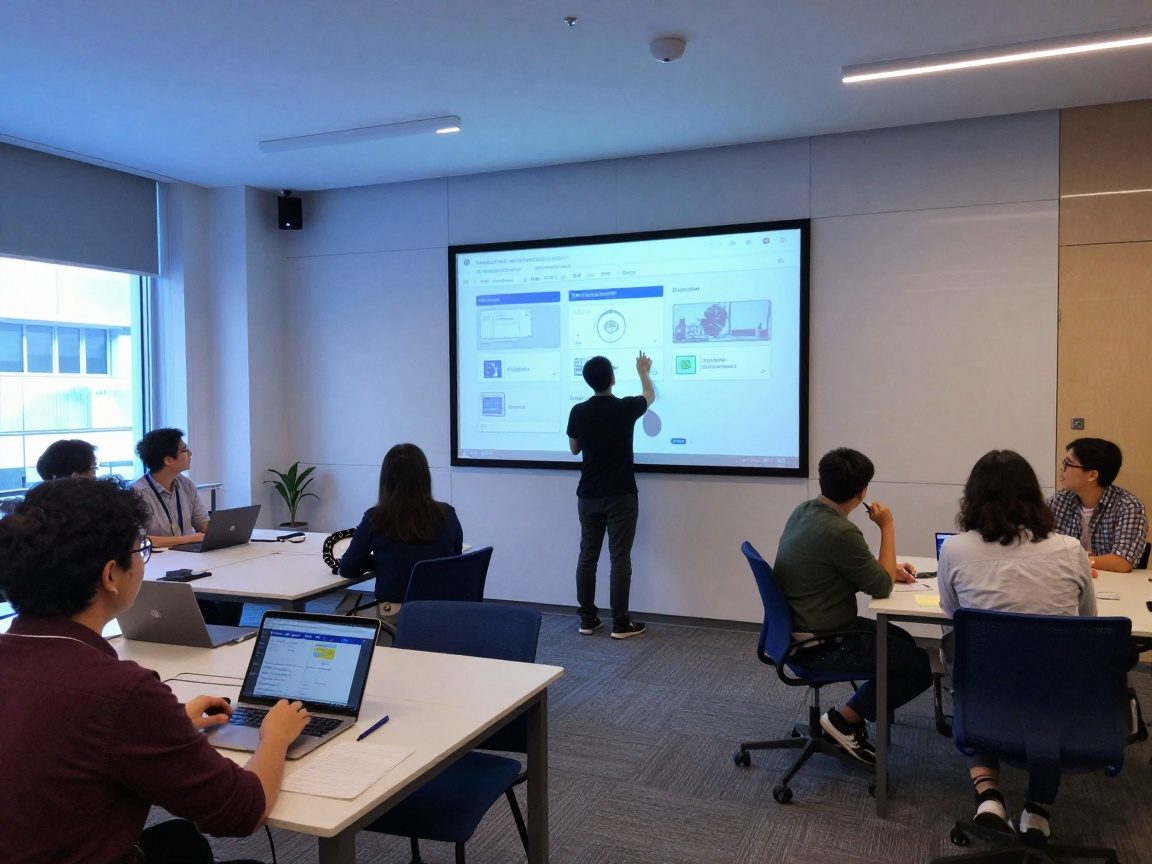
Evaluation Frameworks: Providing Structure to the Selection Process
To provide structure to the evaluation process, Open Innovation Managers can utilize various frameworks:
- Scoring Systems: Assigning numerical scores to ideas based on the evaluation criteria.
- Decision Matrices: Using a grid to compare ideas across multiple factors.
- Prototyping: Building a quick version of an idea to test its usability and value.
Incorporating Feedback from Stakeholders
Make sure the Open Innovation Manager involves key stakeholders in the evaluation process. This ensures alignment and builds support for the selected ideas. Getting feedback from all levels of the company, from the C-suite to the people on the front lines, gives all key players a voice in the process.
Connecting Ideas with Resources
Bringing Ideas to Life: Linking Ideas to Resources
A great idea is only the starting point. The Open Innovation Manager is the conductor of the process of bringing ideas to life, making sure that they are connected to the necessary resources. This involves more than just securing funding; it’s about identifying the right skills, technologies, and partners to turn an idea into a reality.
Identifying the Necessary Resources
Resource allocation involves finding the right resources:
- Funding: This may come from internal budgets, external investors, or grants.
- Expertise: Tap into the expertise within the company and bring in external consultants.
- Technology: Secure the necessary technology, whether it’s building a prototype or developing an app.
Building Bridges: Connecting Ideas with the Right People
The Open Innovation Manager must connect ideas to the right people. This can mean:
- Identifying Internal Expertise: Connecting innovators with colleagues who possess the required knowledge or skills.
- Finding External Partnerships: Working with the appropriate partner to help launch an idea.
- Establishing Communication Channels: Creating systems to keep the stakeholders informed.
Resource Allocation and Management
The Open Innovation Manager oversees resource allocation. This involves making decisions about where to invest and ensuring that resources are used efficiently. They may also need to negotiate with internal stakeholders, build consensus, and establish processes for managing project budgets and timelines.
Tracking and Measuring Progress
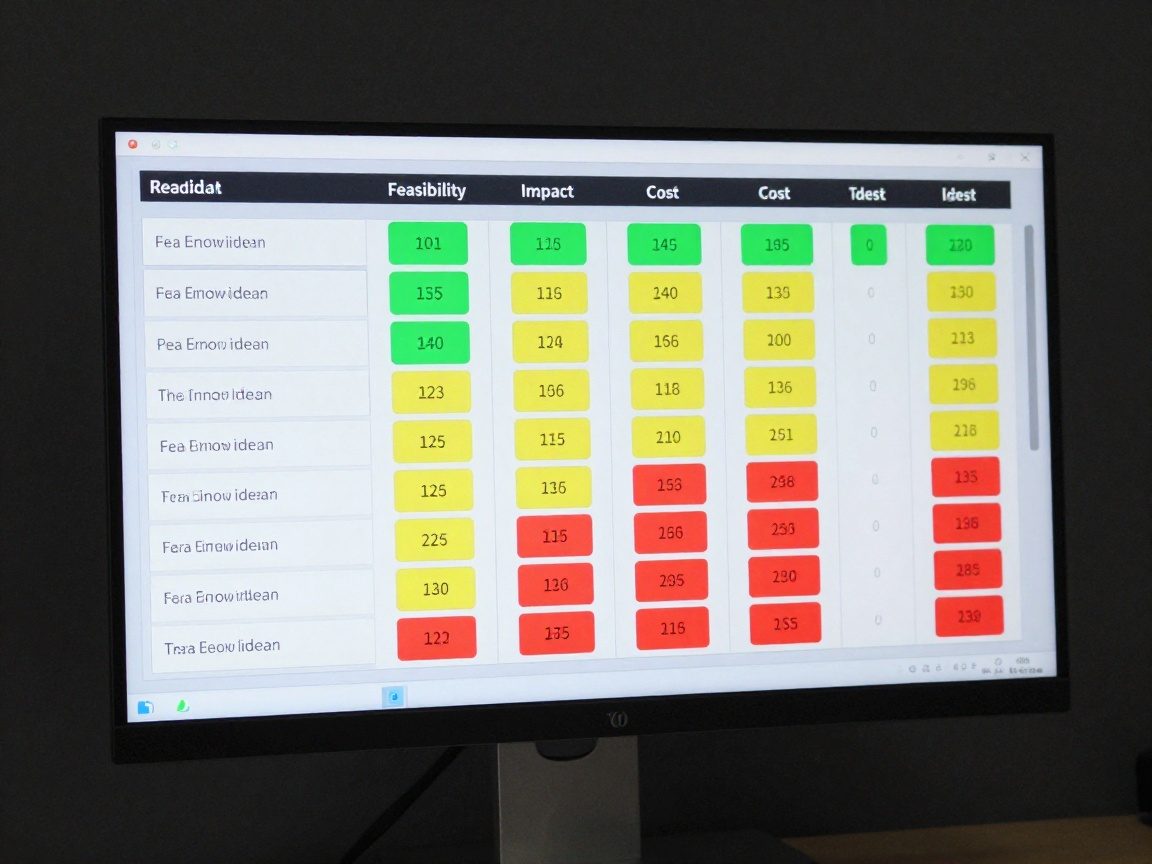
Quantifying Success: Tracking and Measuring Innovation Progress
The Open Innovation Manager’s job doesn’t end with launching an idea. They are responsible for making sure those ideas succeed. That means tracking and measuring the progress of open innovation initiatives. This ensures that you know the impact of all your hard work.
Key Performance Indicators (KPIs): Gauging Impact
To measure impact, the Open Innovation Manager must track KPIs, which can include:
- Number of Ideas Generated: Track how many ideas are submitted and how often.
- Number of Participants: See how many people are involved in the initiative.
- Time to Market: How long does it take for ideas to be developed?
- ROI (Return on Investment): What is the return on investment on the project?
These KPIs provide valuable data that helps you understand the impact of the project, assess the effectiveness of your strategy, and make data-driven decisions about future initiatives.
Iterative Improvement and Adapting Based on the Data
Analyzing the data is not a one-time task. The Open Innovation Manager should continuously monitor the KPIs and use the insights to adapt their strategy. This is an iterative process – learning from each experience and making improvements. This ongoing measurement ensures that the open innovation initiative continues to evolve and deliver value.
Conclusion
The Open Innovation Manager is the linchpin of innovation, the orchestrator of new ideas, and the strategist who turns concepts into reality. They are central to both challenge definition and ideation, and they ensure that the whole process is optimized. A structured approach, from clearly defined challenges to data-driven measurement, increases the chance of success.
The future of business is open. Embracing open innovation is no longer optional; it’s essential for survival and success. With skilled leadership and a well-defined process, you can create a culture of innovation that drives growth and delivers unparalleled value.
FAQs
-
What skills are essential for an Open Innovation Manager?
An Open Innovation Manager needs a blend of skills: strong communication and people management abilities, project management skills, analytical capabilities for data analysis, and a creative mindset to facilitate innovation. -
How can you convince internal stakeholders of the value of open innovation?
Showcase successful case studies, clearly define goals, and use data to demonstrate the value of open innovation. Focus on how the open innovation process can help them achieve their own goals. -
What are the biggest challenges in open innovation?
Some of the biggest challenges include managing intellectual property, ensuring the quality of ideas, and getting internal buy-in for taking the risk of open innovation. -
How do you choose the right ideation platform?
The best platform depends on the project goals, the target audience, and the resources available. Consider features such as ease of use, collaboration tools, and data analytics. -
How can I measure the ROI of an open innovation initiative?
Define your goals upfront, measure KPIs like the number of ideas, and the impact on revenue.