table of contents
The Head of IT: Your Fortress Commander in the Realm of Security & Compliance
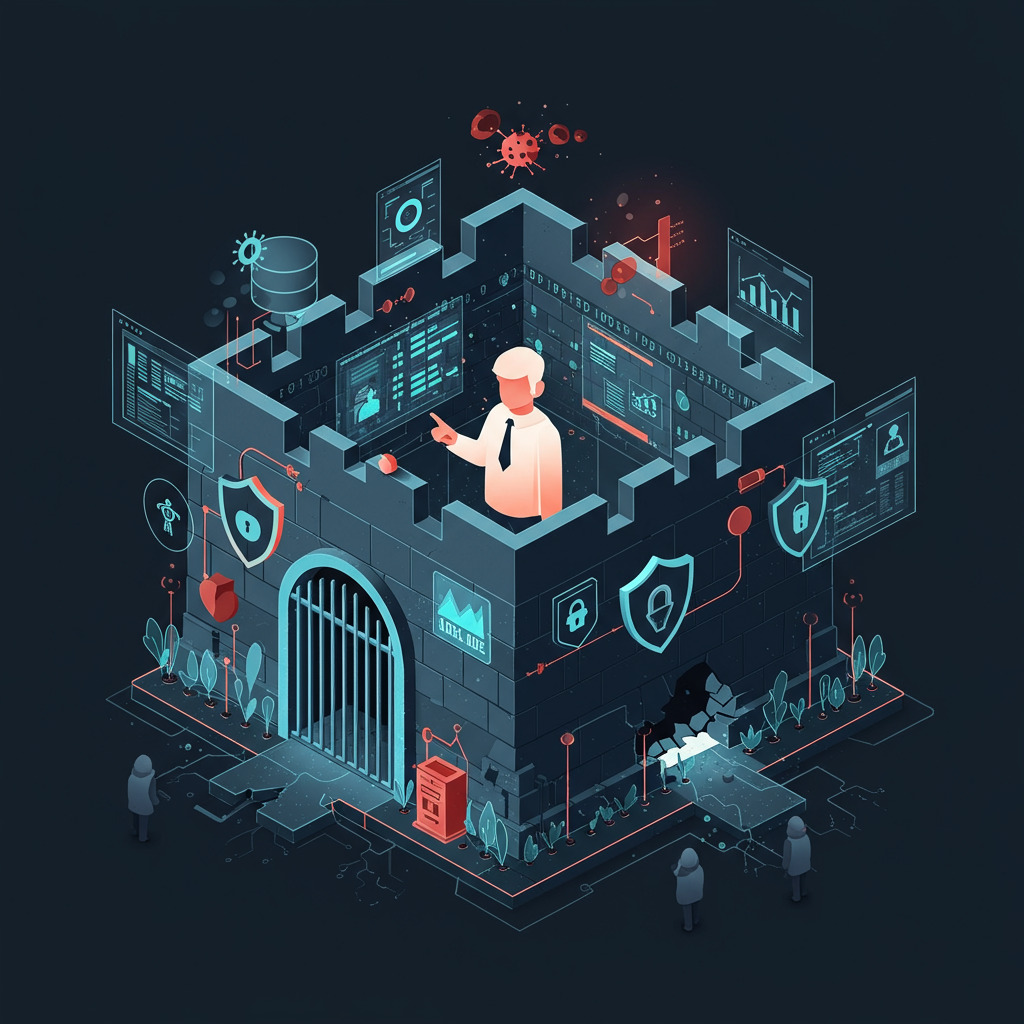
In today’s fast-paced digital world, the Head of IT is more than just a tech guru. They are the architects of digital fortresses, responsible for safeguarding sensitive data, ensuring business continuity, and steering the organization through a complex maze of regulations. Forget about simply keeping the servers running; the modern Head of IT is a critical leader, navigating the treacherous waters of security and compliance. This article explores the multifaceted role of the Head of IT in this critical area, breaking down the key responsibilities and providing actionable insights.
Why Security & Compliance is Now Crucial for a Head of IT
Let’s be honest, the role of a Head of IT has undergone a radical transformation. The focus has shifted from mere technical proficiency to comprehensive risk management and regulatory adherence. This shift is not merely a trend, but a fundamental shift in business operations. Failing in these areas can expose an organization to crippling financial penalties, reputational damage, and, most importantly, the erosion of customer trust.
The Ever-Evolving Threat Landscape
Cyber threats are becoming increasingly sophisticated and relentless. From ransomware attacks that can cripple entire businesses to data breaches that expose sensitive information, the threats are real and ever-present. This is not some theoretical problem; it is a constant war against sophisticated, well-funded adversaries. The Head of IT must be the frontline commander, anticipating and proactively defending against these attacks.
The Increasing Weight of Regulations
Organizations face a growing number of regulations and standards, such as GDPR, HIPAA, CCPA, and others, depending on their industry and location. Non-compliance can lead to significant fines and legal repercussions. The Head of IT must stay current on these evolving regulations, ensuring the organization meets all requirements. This demands a deep understanding of legal and regulatory frameworks, as well as the ability to translate these requirements into actionable technical controls.
Developing and Implementing Rock-Solid Security Policies and Procedures
Security policies and procedures are the blueprints for your digital fortress. They provide a clear framework for all employees to follow, establishing consistent security practices. The Head of IT is responsible for developing and implementing these crucial documents, ensuring they are up-to-date and aligned with the organization’s needs and risk profile.
Crafting a Comprehensive Security Policy
A robust security policy should cover all aspects of information security. This includes access controls, data classification, acceptable use of technology, incident response plans, and more. The policy should be easily understood by all employees, not just technical staff. It should also be regularly reviewed and updated to reflect changes in the threat landscape and business needs. Think of it as the organization’s constitution for all matters security related.
Procedures: The Step-by-Step Guide
While the security policy sets the overall rules, procedures provide the step-by-step instructions for implementing those rules. Procedures should cover everything from password management to incident reporting to data backup. Clear and concise procedures are crucial for ensuring consistent and effective security practices across the organization. Regular training and communication are necessary to ensure all employees understand and follow these procedures.
Navigating the Minefield: Ensuring Compliance with Regulations and Standards
Compliance is not just about checking boxes; it’s about demonstrating that your organization meets all relevant legal and regulatory requirements. The Head of IT plays a central role in ensuring compliance, working with legal, risk, and other stakeholders to navigate the complex compliance landscape.
Understanding the Regulatory Landscape
The first step in ensuring compliance is understanding the specific regulations and standards that apply to your organization. This requires careful research and analysis. The Head of IT must identify the relevant regulations, understand their requirements, and develop a plan to meet those requirements. This is an ongoing process, as regulations are constantly evolving.
Key Standards: A Cheat Sheet for the Head of IT
Many organizations choose to align their security practices with industry-recognized standards, such as ISO 27001, NIST Cybersecurity Framework, or PCI DSS. These standards provide a framework for implementing and managing information security controls. The Head of IT should understand the requirements of these standards, even if the organization doesn’t pursue formal certification. This can help ensure a robust and comprehensive security posture.
Demonstrating and Maintaining Compliance
Compliance is not a one-time event. It’s an ongoing process. The Head of IT must establish procedures for demonstrating and maintaining compliance, including regular audits, risk assessments, and vulnerability scans. This often involves documenting all security controls, keeping up-to-date records of compliance activities, and regularly reviewing and updating the security program.
When the Alarm Sounds: Managing Security Incidents and Breaches
Despite your best efforts, security incidents and data breaches can happen. The Head of IT must be prepared to respond quickly and effectively to minimize damage and ensure business continuity.
Incident Response Planning: Preparing for the Worst
A well-defined incident response plan is critical for responding to security incidents. The plan should outline the steps to take in the event of a breach, including how to contain the incident, assess the damage, notify relevant parties, and restore normal operations. Regular testing and exercises are essential to ensure the plan works effectively.
Containment, Eradication, and Recovery: The Damage Control Playbook
When a security incident occurs, time is of the essence. The Head of IT must lead the response effort, taking immediate steps to contain the incident, eradicate the threat, and recover from the damage. This may involve isolating affected systems, patching vulnerabilities, restoring data from backups, and working with law enforcement or cybersecurity experts.
Post-Incident Analysis and Improvement
After a security incident, it’s crucial to conduct a thorough post-incident analysis to identify the root cause, lessons learned, and areas for improvement. This analysis should inform updates to the security policy, procedures, and incident response plan. The goal is to continuously improve your security posture and prevent future incidents.
Empowering the Troops: Security Awareness Training and Education
People are often the weakest link in the security chain. The Head of IT must implement comprehensive security awareness training programs to educate employees about the risks and how to protect themselves and the organization.
Building a Security-Conscious Culture
Security awareness training is more than just a one-time event. It requires building a culture of security consciousness throughout the organization. This involves regular communication, ongoing training, and reinforcement of security policies. It means making security everyone’s responsibility.
Tailoring Training to Different Roles
Different employees have different roles and responsibilities. Training should be tailored to their specific needs. For example, technical staff may need advanced training on topics such as vulnerability management and penetration testing, while non-technical staff may need training on phishing awareness and password security.
Measuring the Impact of Training
It’s important to measure the effectiveness of your security awareness training program. This can be done through pre- and post-training assessments, phishing simulations, and other metrics. The goal is to ensure that training is making a real difference in improving employees’ security awareness and reducing the risk of security incidents.
The Digital Watchtower: Security Monitoring and Threat Intelligence
Effective security monitoring and threat intelligence are essential for detecting and responding to security threats in real-time. The Head of IT is responsible for implementing these capabilities.
Setting Up Monitoring Systems
The Head of IT must implement monitoring systems to collect and analyze data from various sources, such as network devices, servers, and applications. These systems should be configured to detect suspicious activity, such as unauthorized access attempts, malware infections, and data exfiltration.
Threat Intelligence: Knowing Your Enemy
Threat intelligence provides valuable information about current and emerging threats, including threat actors, their tactics, techniques, and procedures (TTPs), and indicators of compromise (IOCs). The Head of IT must leverage threat intelligence to proactively defend against attacks.
Proactive Threat Hunting
Proactive threat hunting involves actively searching for threats that may have evaded existing security controls. This requires skilled security professionals who can analyze logs, network traffic, and other data to identify potential threats.
Safeguarding the Past, Present, and Future: Data Backup and Recovery
Data is the lifeblood of any organization. The Head of IT is responsible for implementing and maintaining robust data backup and recovery procedures to ensure business continuity in the event of a data loss or disaster.
Designing a Robust Backup Strategy
A robust backup strategy should include regular backups of all critical data, both on-site and off-site. The backups should be tested regularly to ensure they can be restored quickly and effectively. Consider following the 3-2-1 rule; three copies of your data, on two different media, with one copy offsite.
Testing and Validation: Ensuring Recovery
Regularly testing the backup and recovery procedures is crucial. This ensures that data can be restored quickly and effectively in the event of a data loss. This means actually restoring data, not just verifying that backups are running. The restoration process should be documented, and improvements should be made based on the test results.
Building Strong Partnerships: Working with Vendors and Third Parties
Many organizations rely on vendors and third parties for critical services. The Head of IT must establish strong partnerships with these vendors, ensuring that they meet the organization’s security requirements.
Vendor Risk Assessment
Before engaging with a vendor, the Head of IT should conduct a thorough risk assessment to evaluate the vendor’s security posture. This may involve reviewing the vendor’s security policies, conducting on-site audits, and requesting security certifications.
Contractual Obligations and Security Clauses
Contracts with vendors should include clear security clauses that specify the vendor’s responsibilities for protecting the organization’s data. These clauses should cover topics such as data encryption, access controls, incident response, and data breach notification.
Staying Ahead of the Curve: Staying Up-to-Date with Security Best Practices
The field of information security is constantly evolving. The Head of IT must stay up-to-date with the latest security best practices, threats, and technologies.
Continuous Learning and Improvement
The Head of IT should engage in continuous learning and improvement through training, conferences, industry publications, and peer networking. This is not just a job; it is a career of lifelong learning.
Leveraging Industry Resources
The Head of IT should leverage industry resources, such as NIST, SANS Institute, and OWASP, to stay informed about the latest security trends and best practices. These resources can provide valuable guidance and support.
The Leadership Edge: Integrating Security into the IT Strategy
Security should not be an afterthought; it should be an integral part of the IT strategy. The Head of IT should work with other IT leaders to ensure that security considerations are incorporated into all aspects of the IT infrastructure and operations. This means integrating security into project planning, budgeting, and procurement processes. It is a culture, it is a mindset, it is a way of doing business.
Conclusion: Fortifying Your IT Foundation
In conclusion, the Head of IT plays a pivotal role in navigating the complex world of security and compliance. Their responsibilities extend far beyond technical expertise, encompassing risk management, regulatory adherence, and the building of a security-conscious culture. By embracing their role as a fortress commander, the Head of IT can safeguard their organization’s data, reputation, and future in an ever-evolving threat landscape. The strategies described in this article give the necessary guidance to keep the role successful.
Frequently Asked Questions (FAQs)
What are the essential skills a Head of IT needs for security and compliance?
A Head of IT needs a blend of technical, management, and soft skills. Technical expertise in cybersecurity concepts, risk management, and network security is crucial. Strong leadership, communication, and the ability to translate technical concepts into business terms are also essential. Knowledge of regulations like GDPR and HIPAA is vital.
How often should security policies and procedures be reviewed?
Security policies and procedures should be reviewed at least annually, or more frequently if there are significant changes in the threat landscape, regulatory requirements, or business operations. This ensures they remain relevant and effective.
What should be included in an incident response plan?
An incident response plan should include clear roles and responsibilities, steps for containment, eradication, and recovery, communication protocols, and documentation procedures. It should also address legal and regulatory requirements, as well as how to conduct post-incident analysis.
How can an organization measure the effectiveness of security awareness training?
Effectiveness can be measured through pre- and post-training assessments, phishing simulations, and tracking the number of security incidents. Surveys and feedback from employees can also provide valuable insights.
What are some common security standards and frameworks?
Common standards and frameworks include ISO 27001, NIST Cybersecurity Framework, PCI DSS, and SOC 2. These provide a structured approach to managing information security risks.