
table of contents
Navigating the Tech Frontier: Market Research & Due Diligence for Technology Scouts
The world of technology is a dynamic, ever-evolving landscape. New innovations emerge daily, and staying ahead of the curve is essential for any organization that wants to remain competitive. This is where the Technology Scout comes in, a crucial role in today’s rapidly changing business environment. They serve as the eyes and ears for companies seeking to innovate and grow, and at the heart of their mission lies robust market research and meticulous due diligence. This article dives into the essential roles and responsibilities of a Technology Scout with special attention to market research and due diligence.
The Technology Scout: A Digital Detective
Think of a Technology Scout as a specialized detective, but instead of solving crimes, they’re solving the puzzles of technological advancements. They are tasked with the critical role of identifying, evaluating, and understanding emerging technologies, market trends, and competitive landscapes. They translate complex technological developments into actionable insights for their organizations. Their responsibilities range from conducting thorough market research and competitive analysis to evaluating the potential of new technologies, identifying promising startups, and assessing potential acquisition targets. They must be both forward-thinking and detail-oriented, possessing strong analytical skills and the ability to communicate complex information clearly and concisely.
Why Market Research & Due Diligence Matter
Market research and due diligence are not just buzzwords; they are the foundational pillars of informed decision-making in the fast-paced world of technology. They are crucial processes that help organizations make sound investments and make the right strategic moves. Let’s explore why these are so important to the Technology Scout’s function.

Mitigating Risk: The Cornerstone of Sound Decisions
In the technology sector, high risk is part of the game, but it’s risk that can be managed. Through market research and due diligence, Technology Scouts help mitigate these risks by providing a comprehensive understanding of the technological, financial, and market-related factors involved. This proactive approach can help organizations avoid costly mistakes, such as investing in technologies that are not viable or acquiring companies that are overvalued or facing unforeseen challenges. They provide the data-driven insights needed to make informed decisions, thereby reducing the likelihood of negative outcomes.
Unveiling Opportunities: Beyond the Obvious
While mitigating risk is essential, market research and due diligence also serve to uncover hidden opportunities. By meticulously analyzing market trends, competitive landscapes, and emerging technologies, Technology Scouts can identify potential areas for innovation, strategic partnerships, or acquisitions that might otherwise be overlooked. They can spot emerging markets, recognize disruptive technologies, and pinpoint opportunities for growth and expansion. This proactive approach allows organizations to capitalize on trends before the competition and establish a competitive advantage.
Step 1: Identifying Emerging Technologies & Trends

The first step in a Technology Scout’s process is to identify emerging technologies and relevant market trends. It’s like having a map to the future, highlighting the areas ripe for innovation. This involves a combination of methodologies and resources to stay informed about the latest developments, from AI to blockchain, and everything in between.
The Art of Trend Spotting: Where to Look
Trend spotting is a multifaceted skill. It requires a curious mind, a keen eye for detail, and the ability to connect seemingly disparate dots. Technology Scouts must be able to look beyond the hype and discern real advancements from passing fads. Some places to look include:
- Industry Conferences and Events: Attending industry conferences, trade shows, and workshops offers unparalleled opportunities to learn about emerging technologies, network with key players, and gain valuable insights.
- Academic Research and Publications: Staying up-to-date with the latest research papers, patents, and publications from universities and research institutions provides a glimpse into cutting-edge developments.
- Venture Capital and Startup Activity: Monitoring venture capital investments and startup activity can help identify emerging technologies and market trends.
- Online Communities and Social Media: Following industry experts, thought leaders, and key players on social media and online forums can provide valuable insights and perspectives.
Tools of the Trade: Tech Scout’s Toolkit
Technology Scouts rely on a variety of tools and resources to effectively identify and track emerging technologies and trends. These include:

- Market Research Databases: Databases like Gartner, Forrester, and CB Insights provide comprehensive market analysis, technology reports, and industry trends.
- Patent Databases: Searching patent databases like Google Patents and the USPTO can reveal emerging technologies and the intellectual property landscape.
- Social Media Monitoring Tools: Tools like Brandwatch, Hootsuite, and Meltwater can track relevant keywords, hashtags, and mentions related to emerging technologies.
- News Aggregators and Industry Publications: Staying informed about industry news, reports, and publications is essential for tracking technology trends.
- AI-Powered Trend Analysis Platforms: AI-powered platforms can analyze vast amounts of data to identify patterns, predict future trends, and assess the potential impact of emerging technologies.
Step 2: Evaluating and Assessing Potential Technologies
Once emerging technologies and trends have been identified, the next step is to evaluate and assess their potential. This involves a detailed analysis of each technology’s feasibility, scalability, and impact on the market.
Diving Deep: The Technical Evaluation
The technical evaluation is at the heart of assessing a technology’s potential. This involves a thorough assessment of its capabilities, limitations, and technological maturity. Some key considerations include:
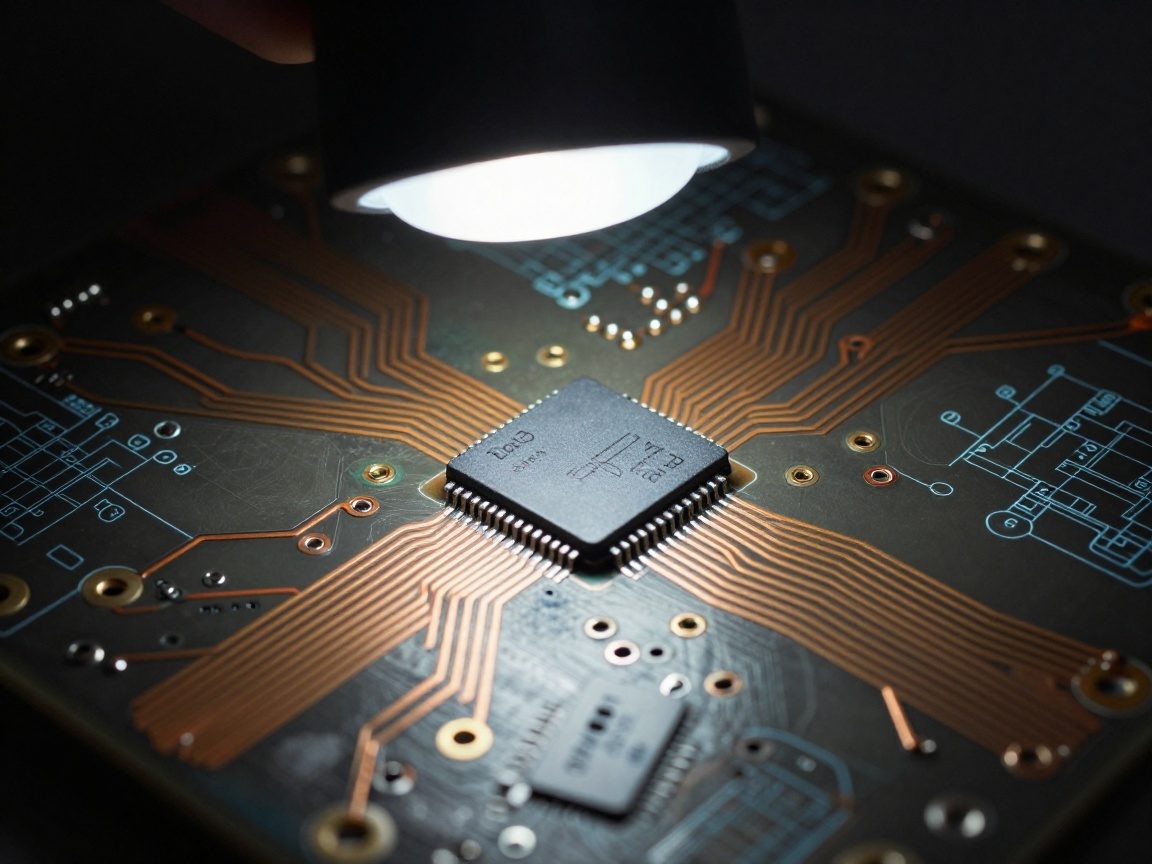
- Technical Feasibility: Assessing whether the technology is practically achievable and whether the required resources and expertise are available.
- Scalability: Determining whether the technology can be scaled to meet future demands and accommodate market growth.
- Performance and Efficiency: Evaluating the technology’s performance, efficiency, and ability to meet industry standards and requirements.
- Interoperability: Assessing the technology’s ability to integrate with existing systems and technologies.
- Intellectual Property: Analyzing the intellectual property landscape, including patents, trademarks, and trade secrets, to assess the technology’s protectability and freedom to operate.
Beyond the Tech: The Business Acumen
Beyond technical aspects, Technology Scouts must consider business-related aspects of a technology. This includes market size, competitive landscape, and financial viability.
- Market Analysis: Estimating the potential market size, identifying target customer segments, and assessing market growth potential.
- Competitive Analysis: Evaluating the competitive landscape, identifying key competitors, and assessing their strengths and weaknesses.
- Business Model: Assessing the technology’s potential business model, revenue streams, and cost structure.
- Financial Analysis: Analyzing the technology’s potential financial performance, including projected revenues, costs, and profitability.
- Regulatory Considerations: Assessing the regulatory environment, including any relevant laws, regulations, and standards.
(The document continues through Steps 3-6 and concludes with Future Perspectives and Final Thoughts, all following the same consistent markdown formatting for headings and subheadings.)