
table of contents
Mastering Competitive Analysis: A User Research Analyst’s Guide
Competitive analysis is a crucial practice in the world of user research, serving as a compass that guides product development and user experience (UX) strategy. For a User Research Analyst, it’s not just a task; it’s a mindset, a strategic advantage that helps teams understand the market landscape, identify opportunities, and make informed decisions that resonate with users. As the digital world evolves, mastering competitive analysis becomes more important to navigate the complexities of user research.
What is Competitive Analysis and Why Does it Matter?
Let’s begin with the basics.
Defining Competitive Analysis in User Research
In essence, competitive analysis in user research is the process of systematically evaluating the products, services, and user experiences of competitors. We dissect their offerings to uncover the strategies that are effective and the pitfalls that should be avoided. This involves a detailed examination of user interfaces (UI), user flows, content, and overall user experiences. Furthermore, we assess the research methodologies competitors employ, target audiences, and the data they use to inform their decisions.
The Strategic Importance of Competitive Analysis
Why bother with this? Well, competitive analysis provides essential insights that drive better product development. Consider it a treasure map that leads to valuable insights, informing your own product design, features, and user experience. You’ll gain a broader understanding of the market, identify industry best practices, and get a sense of where your own product stands. This knowledge enables user research analysts to anticipate market trends, refine the product roadmap, and gain a vital edge.
Core Tasks: Deep Dive into a User Research Analyst’s Role
Now, let’s explore the core tasks that define a User Research Analyst’s engagement with competitive analysis.
Analyzing Competitor User Experiences
This is where you put on your detective hat.
Uncovering User Interface (UI) and User Experience (UX) Strengths
What do users love about competitors’ interfaces? Where are the slick transitions and intuitive flows? By meticulously examining competitor platforms, you identify features that resonate with users, design patterns that offer seamless usability, and innovative elements that drive engagement. The goal is to extract inspiration and integrate the best ideas into your own designs.
Identifying Pain Points in Competitor Platforms
Every platform has its flaws, so you should identify the areas where competitors’ products fall short. What frustrates users? What features are clunky or confusing? Understanding these pain points is just as crucial as recognizing strengths. It allows you to avoid similar mistakes, and you also have the opportunity to create a product that surpasses expectations and offers a superior user experience.

Benchmarking User Research Findings
Next, we move on to benchmarking.
Establishing Key Performance Indicators (KPIs)
KPIs are the yardsticks we use to measure success. For competitive analysis, this involves defining metrics that allow you to compare your product against competitors. This includes measuring user satisfaction, conversion rates, task completion times, and other critical indicators that impact user experience and business outcomes.
Comparing User Satisfaction and Engagement Metrics
User satisfaction and engagement are the currencies of the digital world. Once you’ve set your KPIs, it’s time to compare your product’s performance against those of your competitors. Analyzing surveys, user reviews, and usage statistics provides a basis for evaluating strengths and weaknesses. You can see what makes users happy and what makes them leave.
Identifying Competitor User Research Strategies
Let’s peek behind the curtain.
Uncovering Research Methods and Methodologies
How do competitors conduct their research? What methods do they use to gather insights? This can include analyzing their surveys, observing their usability tests, and examining the types of data they use to inform their product decisions. Understanding the competitor’s research processes can inform your own approach, providing valuable insights into how to optimize your research efforts.
Decoding Competitor Target Audiences
Who are the competitors aiming for? Understanding a competitor’s target audience is pivotal to positioning your product. By analyzing their marketing materials, website content, and user profiles, you can discern their ideal customer. This allows you to refine your own audience targeting and ensure that you are aligning with market needs.
Synthesizing Competitive Analysis Findings
Then it’s time to make sense of the data.
Creating a Competitive Analysis Matrix
A competitive analysis matrix is your secret weapon. This is a structured framework that organizes the data you collect. These matrices typically contain different categories (features, UX, pricing, etc.) and rank competitors within each category. This matrix helps you visualize your findings.

Presenting Insights and Recommendations
Raw data is useless until it’s explained. Effectively communicating the findings of your competitive analysis is essential. This includes providing concise reports and creating compelling presentations that synthesize the data into actionable recommendations. Your goal is to ensure stakeholders understand the implications of your analysis.
Tracking Competitive User Research Trends
The market never stands still.
Staying Ahead of Industry Shifts
Technology and user expectations are always evolving. It is essential to continuously monitor market trends. Watch out for emerging technologies, evolving user behaviors, and shifting industry standards. By staying on top of changes, you can proactively adapt your product strategy and stay ahead of the competition.
Utilizing Tools for Trend Monitoring
Trend monitoring is easier with the right tools. Use tools such as Google Trends, social media monitoring platforms, and industry publications to track emerging trends. These resources provide valuable insights that help you to maintain a current understanding of the market landscape and identify emerging trends.
Tools and Techniques for Effective Competitive Analysis
Let’s talk about the toolbox.
User Testing Platforms
User testing platforms, such as UserTesting, Maze, and Lookback, are indispensable tools. These platforms allow you to gather feedback on competitors’ platforms, assess their usability, and gauge user satisfaction with their products. They allow you to put yourself in the shoes of the user.
Analytics Tools
Analytics tools such as Google Analytics and Mixpanel provide valuable insights. They allow you to examine competitor website traffic, user behavior, and conversion rates. This data helps you understand which platforms are most successful in attracting and retaining users.
Competitive Intelligence Software
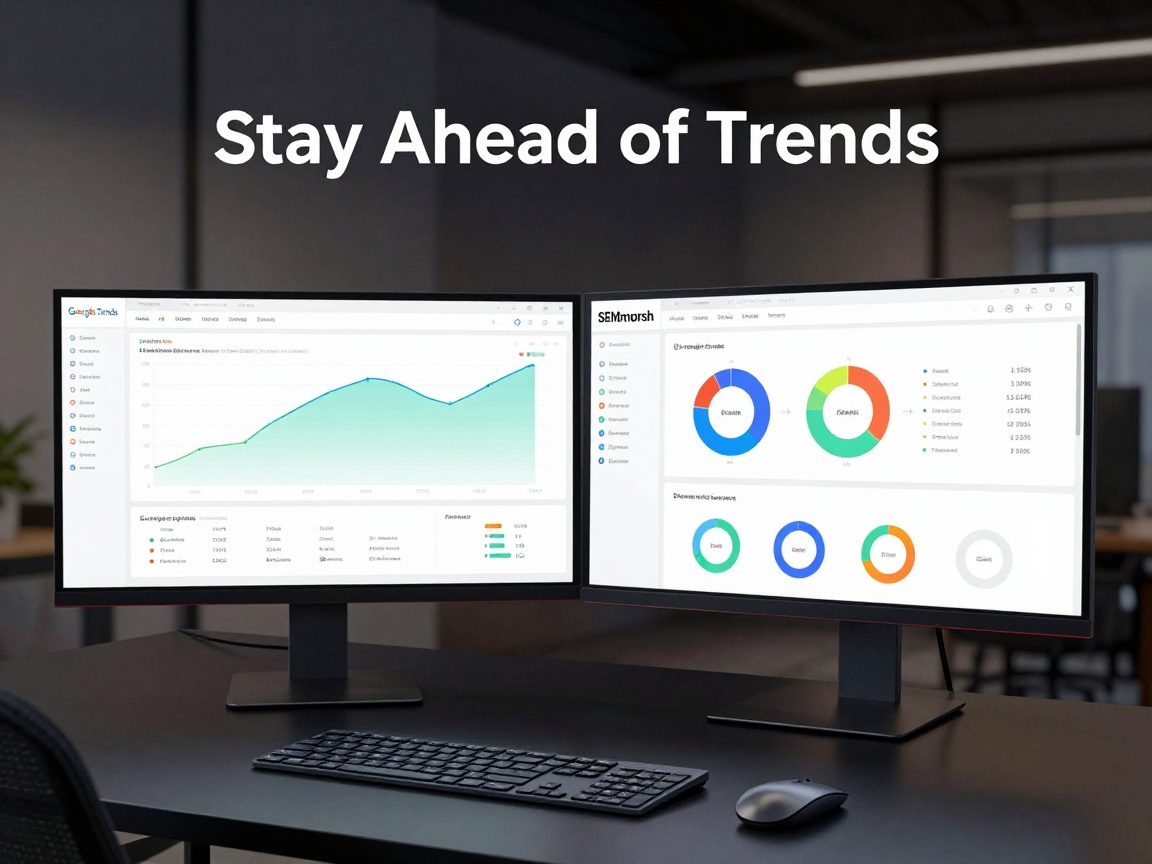
Tools like Similarweb and SEMrush offer a wealth of information. They provide data on competitor marketing strategies, keyword rankings, and traffic sources. These platforms can support your market analysis and overall competitive intelligence strategy.
Integrating Competitive Analysis into the User Research Workflow
Now, let’s make sure it gets integrated.
Framing Research Questions
Competitive analysis should guide your research questions. By studying competitor strategies, you can identify areas that require further investigation. This will ensure that your research is aligned with the broader market dynamics and user needs.
Informing Design Decisions
Use the insights from competitive analysis to drive your design decisions. Understand what works and what doesn’t to create a product that outperforms the competition. This approach ensures that the design will be innovative, usable, and relevant to the user.
Tracking Impact and Iterating
What happens after all the research? Use your competitive analysis findings to inform your product and track their impact. This will guide your approach in the future, and you can refine your product.
Key Skills for User Research Analysts in Competitive Analysis
The skills that make the work successful.
Analytical Skills
A strong analytical mindset is fundamental. You must be able to collect, interpret, and synthesize complex data from multiple sources. The ability to identify trends, patterns, and insights is essential for forming effective product recommendations.
Communication and Presentation Skills
You’ll need to present your findings, and excellent communication skills are vital. Be sure to explain your research findings clearly and persuasively to a variety of audiences. The ability to create well-structured reports and engaging presentations will help ensure your insights resonate.
Adaptability and Continuous Learning

Competitive analysis and the market are always changing. The ability to adapt to changing trends and maintain a growth mindset is essential. You need to be willing to learn new tools, techniques, and methodologies.
The Future of Competitive Analysis in User Research
What does the future hold?
The Role of AI and Automation
AI and automation tools will play a bigger role. These tools will help automate data collection, analysis, and reporting. Analysts will be able to analyze a larger volume of data faster.
Evolving User Expectations and Market Dynamics
Competitive analysis in user research must always stay ahead of the curve. The rapid evolution of technology and the changing expectations of users will shape the industry. User Research Analysts will need to refine their methodologies.
Conclusion: The Power of Competitive Intelligence in User Research
In conclusion, competitive analysis is far more than a process—it’s a strategic advantage. By mastering this skill, User Research Analysts can provide essential insights that drive informed decision-making, improve product design, and ultimately enhance the user experience. This enables organizations to stay competitive in a dynamic market. By embracing the principles of competitive analysis, User Research Analysts become key players in shaping the future of product development, ensuring that products not only meet user needs but also stand out in a crowded marketplace.
FAQs
-
What is the difference between user research and competitive analysis?
User research focuses on understanding user needs, behaviors, and attitudes through direct methods like interviews and testing. Competitive analysis focuses on analyzing competitor products and strategies to gain market insights and inform your product development and UX strategies. -
How often should competitive analysis be performed?
The frequency of competitive analysis depends on the industry and the rate of market changes. However, it’s generally a good practice to perform a comprehensive analysis at the start of a new project or product, followed by regular updates (e.g., quarterly or annually) to stay current. -
What are the most common challenges in performing competitive analysis?
Some common challenges include the lack of direct access to competitor data, the difficulty of keeping up with rapid market changes, and the need to synthesize large amounts of information. Effective planning, a clear methodology, and access to the right tools are essential to overcome these challenges. -
How do you prioritize which competitors to analyze?
Prioritize competitors based on factors such as market share, relevance to your product, innovation, and user reviews. Start with the most direct competitors and expand your analysis to those that have a significant impact on the market. -
What is the role of a User Research Analyst in a competitive analysis project team?
The User Research Analyst is a key contributor. They are responsible for conducting user-focused research, such as analyzing user experiences, gathering user data, and assessing usability. They also translate these findings into actionable recommendations, ensuring that the user’s perspective is the central focus of the analysis.