
table of contents
Solution Design & Architecture: A Digitization Project Manager’s Guide
In today’s digital landscape, digitization isn’t just a trend; it’s a necessity. Businesses across all sectors are racing to transform their operations, services, and customer experiences. Leading this charge are project managers, and within their multifaceted roles lies a critical function: Solution Design & Architecture. In this comprehensive guide, we’ll delve into the intricacies of this function within a Project Manager Digitization’s purview, exploring the key tasks, challenges, and strategies that drive successful digital transformations.
What is Solution Design & Architecture, Anyway?
Before we get into the specifics, let’s clarify the fundamentals. What exactly is Solution Design & Architecture, and why is it so important in the world of digitization? Let’s break it down.
The Core Concepts: Blueprinting for Success
Think of solution design and architecture as the blueprints for a building. It’s the process of designing the structure, components, and systems that will make up your digital solution. It defines how the different pieces of the project will fit together, how they will interact, and how they will meet the needs of the stakeholders and the organization’s goals. It covers a range of aspects, from selecting the right technologies and platforms to designing the user experience and ensuring data security.
Why It’s Critical for Digitization Projects
Digitization projects are complex. Without a well-defined solution design and architecture, you’re essentially building a house without a plan. This can lead to many issues like scope creep, increased costs, and projects that don’t meet the business’s needs. It ensures that the project is built on a solid foundation, which increases the likelihood of a successful outcome. It also helps in managing expectations, minimizing risks, and ensuring that the final product aligns with the overall vision.
The Digitization Project Manager: Architect of the Digital Realm
The role of a Project Manager in Digitization is more than just about managing timelines and budgets; they are the architects of the digital realm. They possess a unique blend of technical know-how, project management skills, and an understanding of business goals.
The Role’s Importance in Digitization
Digitization projects are complex undertakings. They involve many moving parts, multiple stakeholders, and a rapidly evolving technological landscape. The project manager is the central point of coordination. They ensure that the project stays on track, that it meets the business needs, and that it is delivered on time and within budget. They’re responsible for making sure the architectural vision translates into a tangible, functioning digital solution.
Skills and Expertise: Building a Strong Foundation
A successful Digitization Project Manager must have a diverse skill set. Strong project management skills, including planning, organizing, and risk management, are essential. In addition, an understanding of IT concepts, a deep understanding of the business, and the ability to effectively communicate with stakeholders are all crucial. They are able to translate business needs into technical requirements and, conversely, explain complex technical solutions to non-technical audiences.
Requirement Gathering & Analysis: Understanding the “Why”
The success of any digitization project hinges on clearly understanding the business’s needs. This begins with thorough requirement gathering and analysis.
Defining the Project Scope and Objectives
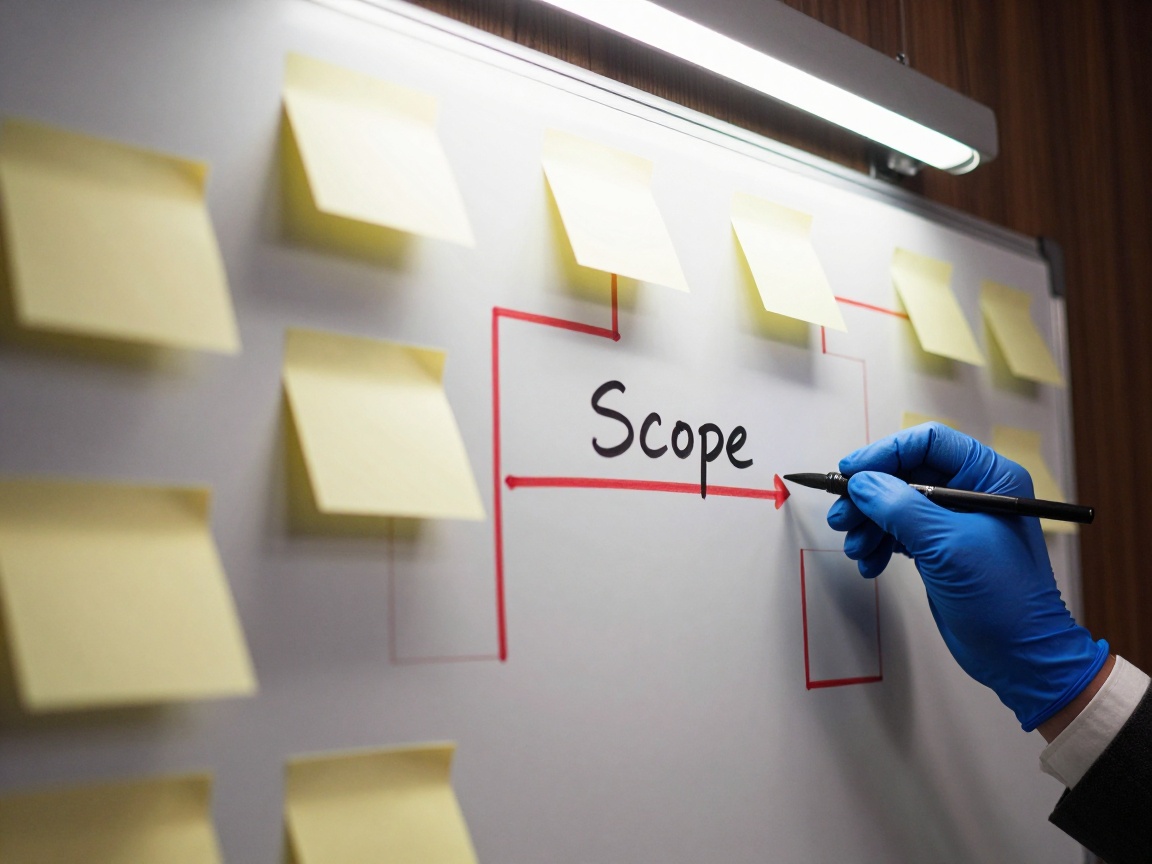
Before any design work can begin, the project scope must be defined. This involves outlining the specific goals of the project, the deliverables, and the constraints (like budget, time, and resources). This helps ensure that everyone is on the same page and working toward the same objectives. Careful scope definition reduces the risk of scope creep.
Techniques for Effective Requirement Gathering
Effective requirement gathering involves using various methods to understand the needs of stakeholders. This can include interviewing stakeholders, conducting workshops, reviewing existing documentation, and analyzing the current systems. The goal is to get a clear picture of what the business needs from the digital solution. The more detailed the requirements, the smoother the design and development phases will be.
Solution Design and Architecture: The “How” of Digital Transformation
Once the requirements have been collected and analyzed, the project manager moves into the solution design and architecture phase, focusing on the “how” of digital transformation.
Defining the Solution Architecture
This involves designing the overall structure of the digital solution. This includes defining the components, their interactions, the data flows, and the technologies used. The architecture needs to be scalable, secure, and aligned with the business requirements. The project manager works with architects and technical teams to create a detailed blueprint.
Selecting Technologies and Platforms
Choosing the right technologies and platforms is crucial. The project manager has to consider factors such as the project’s requirements, the budget, the existing infrastructure, and the long-term goals of the business. This might involve selecting a cloud platform, choosing programming languages, and picking the right software development tools. The right technology choices are essential for the success of the project.
Collaboration and Communication: The Glue of the Project
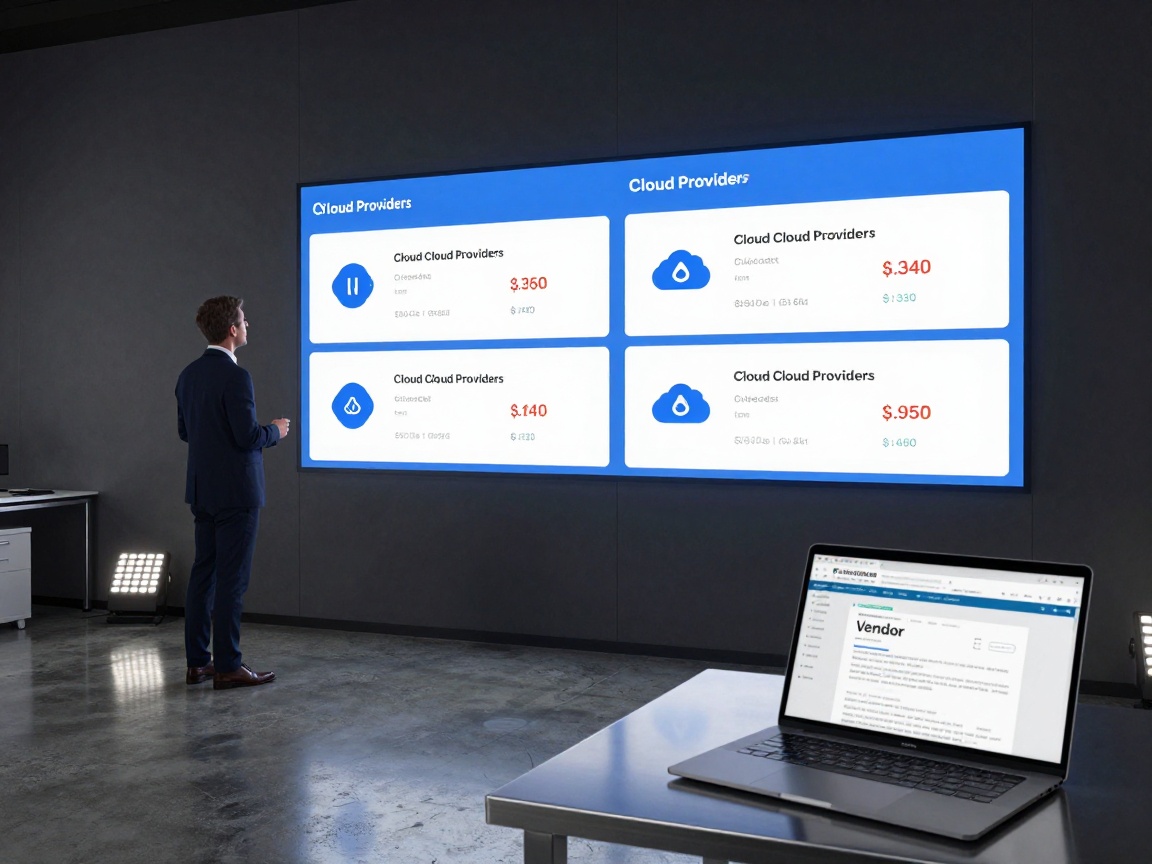
Digitization projects are rarely solo endeavors. Success depends on effective collaboration and communication between different teams and stakeholders.
Stakeholder Management and Communication Strategy
The project manager must identify all stakeholders and develop a communication strategy. This includes defining how often stakeholders will be updated, what information will be shared, and what channels will be used for communication. Good stakeholder management involves managing expectations, addressing concerns, and ensuring that everyone is informed and involved.
Tools and Techniques for Collaboration
There are many tools and techniques that can facilitate collaboration, such as project management software, shared document repositories, and communication platforms. Regular meetings, both formal and informal, and using collaboration platforms can help ensure everyone is on the same page. Agile methodologies, for example, emphasize frequent communication and collaboration.
Technology Evaluation and Selection: Choosing the Right Tools
The selection of technology is a critical component of the solution design process. The wrong choices can lead to a project that is over budget, late, and fails to deliver the intended benefits.
Evaluating Technology Options
This involves evaluating different technology options. This means comparing features, costs, performance, and compatibility with the existing infrastructure. The project manager typically uses a formal evaluation process, such as a proof of concept, to assess the technologies. The best choice will align with the needs, budget, and the overall strategy of the business.
Vendor Selection Process
If third-party vendors are needed, the project manager leads the vendor selection process. This includes identifying potential vendors, issuing RFPs (Requests for Proposals), evaluating proposals, and negotiating contracts. The vendor selection process should be fair and transparent. This often involves selecting a vendor with experience in the required technologies and a proven track record.
Risk Management and Mitigation: Navigating the Digital Landscape
Digitization projects are inherently risky. An effective project manager must anticipate and manage potential risks.
Identifying and Assessing Risks
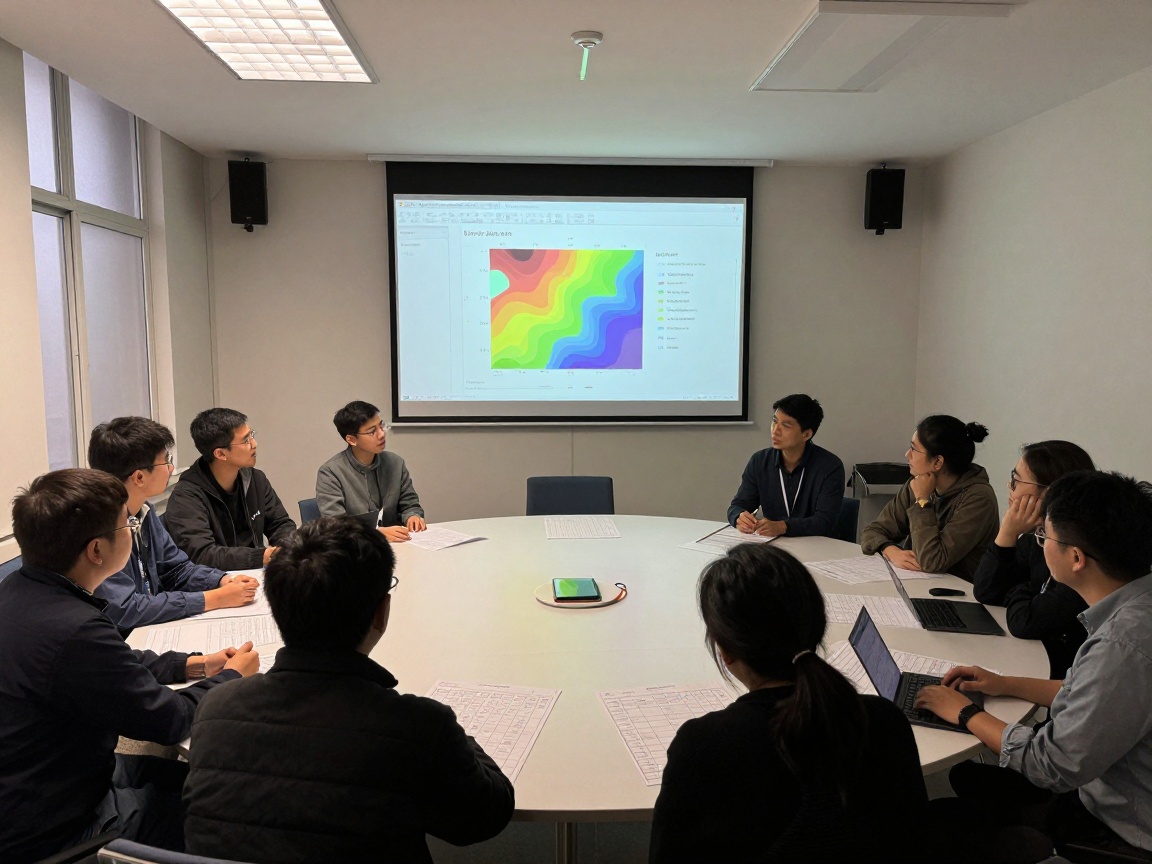
The first step is identifying potential risks. This includes a variety of potential issues, such as technological challenges, vendor issues, scope creep, and changes in requirements. After identifying the risks, the project manager will assess the probability and impact of each risk. The assessment is a crucial step in building a successful project.
Mitigation Strategies and Contingency Planning
Once the risks have been assessed, the project manager needs to develop mitigation strategies. This includes actions to reduce the probability of a risk occurring or its impact if it does. A contingency plan defines what steps will be taken if a risk materializes. Preparing these strategies is essential for preventing the project from failing.
Documentation and Knowledge Transfer: Passing the Baton
The project doesn’t end with the launch of the digital solution. Comprehensive documentation and effective knowledge transfer are vital for the long-term success of the project.
Importance of Comprehensive Documentation
Documentation should cover all aspects of the project, including the requirements, the solution design, the architecture, the development process, and the testing results. Good documentation supports the project’s maintenance, upgrades, and future development. Documentation helps to ensure that all project information is readily available to the appropriate audiences.
Knowledge Transfer Strategies for Sustainability
Knowledge transfer is the process of transferring knowledge to those who will be responsible for the solution after the project is complete. This can include training sessions, documentation reviews, and mentoring. The goal is to ensure that the stakeholders have the knowledge and skills needed to support and maintain the digital solution. The project manager plays a crucial role in planning and managing knowledge transfer activities.
Cost Estimation and Budget Management: Staying on Track
Effective budget management is essential for any project’s financial health. The project manager must accurately estimate the costs and monitor the budget throughout the project lifecycle.
Estimating Project Costs Accurately
Cost estimation requires a careful analysis of all the project activities, resources, and dependencies. The project manager often works with technical experts to develop cost estimates for different aspects of the project. The estimates can be based on various factors, such as vendor quotes, resource rates, and project complexity.
Budgeting, Monitoring, and Control
Once the budget is established, the project manager must monitor it regularly. This includes tracking the actual costs against the budget, identifying variances, and taking corrective actions when needed. The project manager is responsible for ensuring that the project stays within budget.
Quality Assurance and Testing: Ensuring a Flawless Launch
Testing is a crucial element of every project. Quality assurance and testing procedures are important to verify that the digital solution meets the requirements and is ready for launch.
Implementing Quality Assurance Processes
Quality assurance includes all activities to ensure the digital solution meets the required quality standards. This can involve establishing standards, conducting reviews, and performing inspections. Quality assurance aims to catch problems early and to prevent them from turning into major issues.
Testing Strategies and Procedures
Testing includes various types of testing. These include unit testing, integration testing, user acceptance testing, and performance testing. Testing should be planned and executed systematically. It is crucial to identify and fix defects to ensure the solution works as intended.
Bringing It All Together: The Project Manager’s Journey
The role of a Digitization Project Manager is a complex one. They are at the heart of digital transformation, managing various tasks to ensure a project’s success. From requirement gathering to launch, a project manager orchestrates every phase, builds strong relationships, and manages risks. Their expertise is the driving force that helps a business navigate its digital journey.
Conclusion: The Future of Digitization and the Architect’s Role
The future of business is digital, and the need for skilled solution architects and digitization project managers is only going to grow. They are the driving forces, the architects of innovation, the leaders who can transform visions into realities. Their ability to blend technical knowledge with project management skills makes them the unsung heroes of the digital age. As technology continues to evolve, the role of the digitization project manager will become even more crucial, shaping the future of how businesses operate and how we interact with the world.