
table of contents
Security Management: A System Administrator’s Guide to Fortress Building
Welcome, fellow tech enthusiasts! Security Management is critical in this ever-evolving digital landscape. As a System Administrator, you’re not just managing systems; you’re the architect and defender of a digital fortress. This article will be your comprehensive guide to navigating the intricacies of security management, equipping you with the knowledge and tools to build a robust and resilient IT infrastructure.
The System Administrator: A Security Architect and Defender
The role of a System Administrator has evolved beyond mere system maintenance. Today, you are the first line of defense, the architect who designs the security infrastructure, and the defender who actively protects it. You are responsible for keeping the organization safe from cyber threats, ensuring that data is protected, and that the systems operate smoothly. It’s a responsibility that demands vigilance, expertise, and a proactive approach.
The Pillars of a Secure System: A System Administrator’s Responsibility
What does this responsibility encompass? It’s a multifaceted job, but we can break it down into the key pillars. These include the implementation and enforcement of security policies, proactive vulnerability management, rapid incident response, vigilant monitoring and logging, stringent access control and identity management, robust data security measures, and a commitment to security awareness training. A strong understanding of these pillars will allow you to build a secure system.
Security Policy Implementation and Enforcement: Laying the Foundation
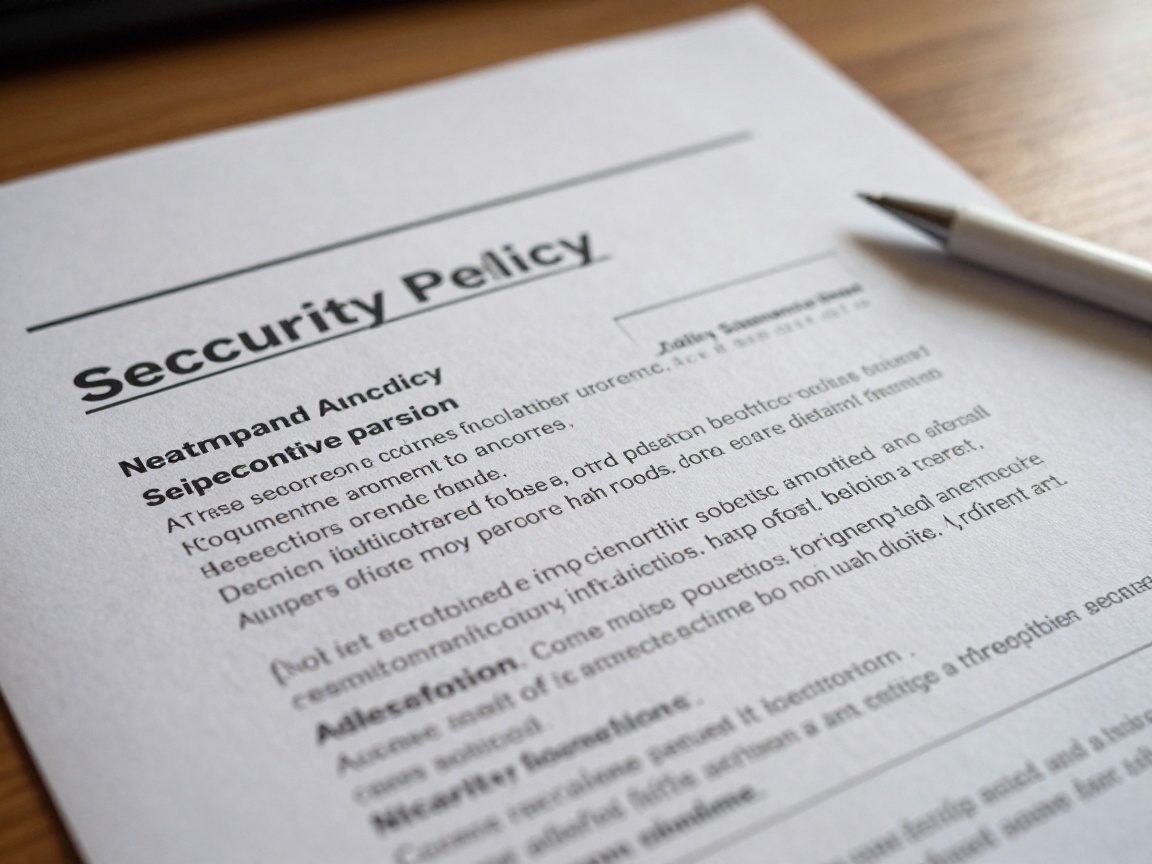
Security doesn’t happen by accident; it begins with a well-defined plan. This plan is known as a security policy. As a System Administrator, your work is to ensure that a solid security policy is implemented across the whole organization. This ensures that everything is safe from all types of threats.
Crafting the Security Blueprint: Developing Robust Security Policies
A good security policy is like a detailed architectural blueprint for your digital fortress. It lays out the ground rules for how your organization will protect its assets. This process should include risk assessments, identifying critical assets, and outlining acceptable use policies. This blueprint will act as a foundation for all of the actions you take.
You need to make sure your policies are clear, concise, and address all essential areas, such as password management, data handling, acceptable use of IT resources, and incident reporting. They should be adaptable to the specific needs of your organization and regularly reviewed and updated to reflect the evolving threat landscape.
Enforcing the Rules of Engagement: Policy Implementation Strategies
Having a policy is only half the battle; you need to enforce it. Implementing your security policies involves a variety of steps. This means configuring security settings on all systems, such as enforcing strong passwords, setting up access controls, and enabling data encryption. It also requires the use of the right tools and technologies, such as endpoint protection software, firewalls, and intrusion detection systems.
Regular audits, both internal and external, are also essential to ensure that policies are being followed and that the security posture remains strong. Educating users and providing training on security best practices is crucial in creating a security-conscious culture.
Vulnerability Management: Staying Ahead of the Threats
The digital world is in constant motion. Vulnerabilities are everywhere, and as System Administrators, we are tasked with keeping our systems secure against these threats. This involves identifying weaknesses, patching those weaknesses, and making sure that everything is safe and secure.
Identifying Weaknesses: Vulnerability Assessment and Scanning
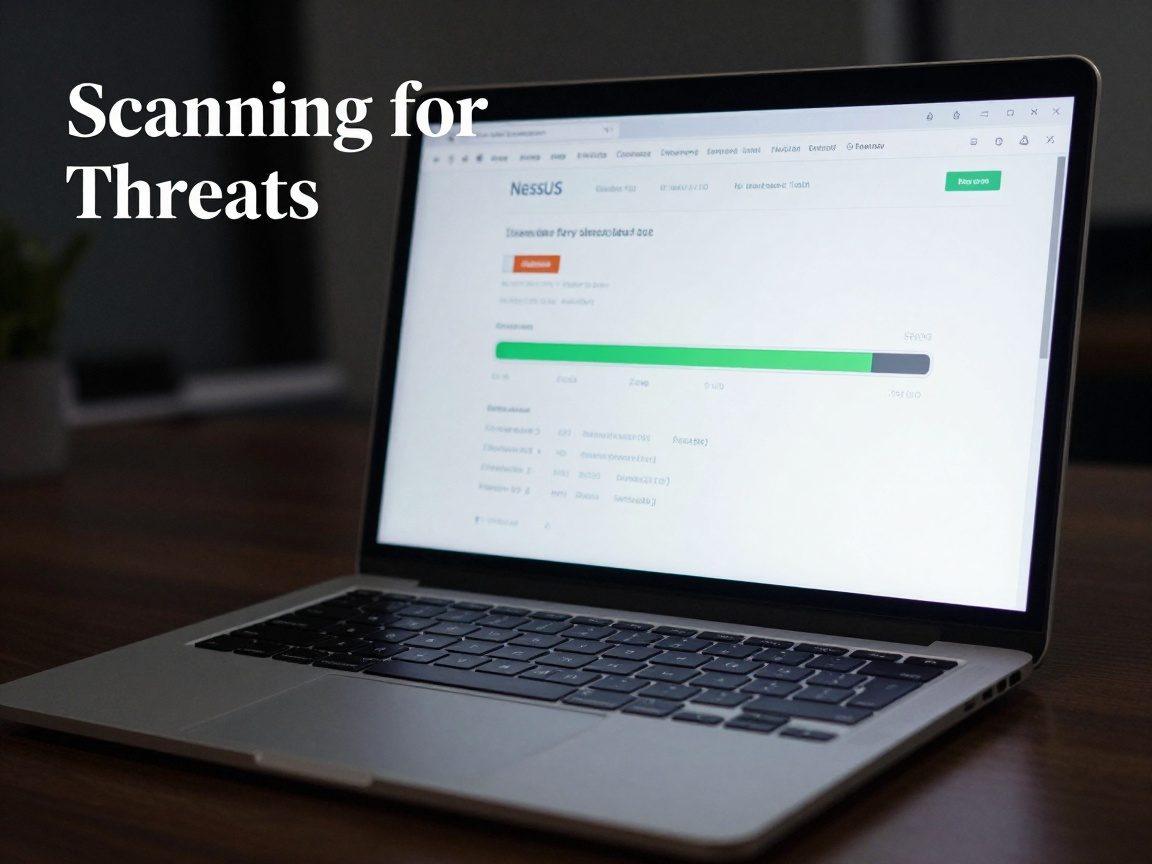
The first step in vulnerability management is identifying potential weaknesses. This is where vulnerability assessment and scanning tools come in. These tools, like Nessus, OpenVAS, or even the built-in vulnerability scanners in your operating systems, can automatically scan your systems, networks, and applications for known vulnerabilities.
The process involves scheduled scans, regular vulnerability assessments, and prioritizing based on the severity of the vulnerabilities and their potential impact. Understanding and analyzing the results is key to taking the right actions to secure the system. Staying informed about the latest vulnerabilities through security advisories and alerts is also essential.
Patching and Remediation: Closing the Security Gaps
Once vulnerabilities are identified, the next step is patching and remediation. This involves applying security patches and updates to address known vulnerabilities. This could mean applying updates to operating systems, applications, and firmware. You also have to configure systems with the latest security enhancements.
Patch management should be a structured process, including testing patches in a controlled environment before deploying them to production systems. Prioritizing patches based on risk and impact is also crucial. Staying ahead of the threats also requires regular remediation of any vulnerabilities that can be found during security scans.
Incident Response and Management: Reacting to the Unexpected
Despite your best efforts, security incidents can happen. When they do, a swift and effective response is crucial to minimize damage and restore normal operations. This is why an organized incident response is so important.
Preparing for the Worst: Incident Response Planning
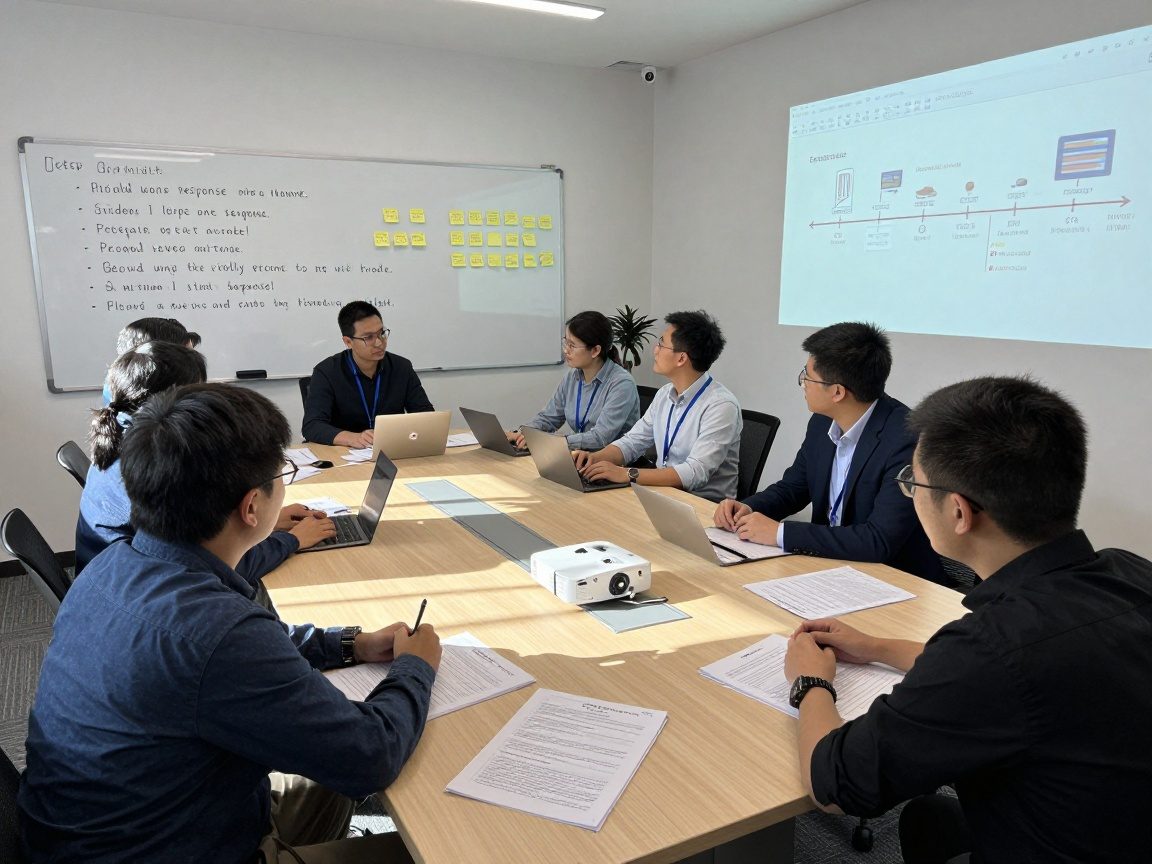
Incident response begins with planning. This means developing a detailed incident response plan that outlines the steps to be taken in the event of a security incident. Your plan should define roles and responsibilities, communication protocols, and escalation procedures. The plan should include different scenarios, such as malware outbreaks, data breaches, or denial-of-service attacks.
Regular testing of your incident response plan is critical to ensure its effectiveness. This could involve tabletop exercises, simulated attacks, and after-action reviews of past incidents. This will ensure that you can be prepared for any unexpected event.
Containing the Chaos: Incident Handling and Recovery
When an incident occurs, the first priority is to contain it and prevent further damage. This may involve isolating infected systems, disabling compromised accounts, and blocking malicious traffic. Data preservation is also important during this process.
Once the threat is contained, the next step is to investigate the incident to determine the root cause and scope of the damage. This involves collecting and analyzing logs, reviewing security alerts, and examining system configurations. The goal is to identify the affected systems and the extent of any data loss or system compromise.
The final step is to recover from the incident and restore normal operations. This may involve restoring systems from backups, implementing security controls to prevent future incidents, and communicating the incident to relevant stakeholders.
Security Monitoring and Logging: The Watchful Eye
In the world of security, vigilance is your most potent weapon. Security monitoring and logging are essential for detecting and responding to threats, analyzing system behavior, and identifying security breaches. It’s like having a 24/7 surveillance system that never blinks.
Real-Time Surveillance: Security Information and Event Management (SIEM)
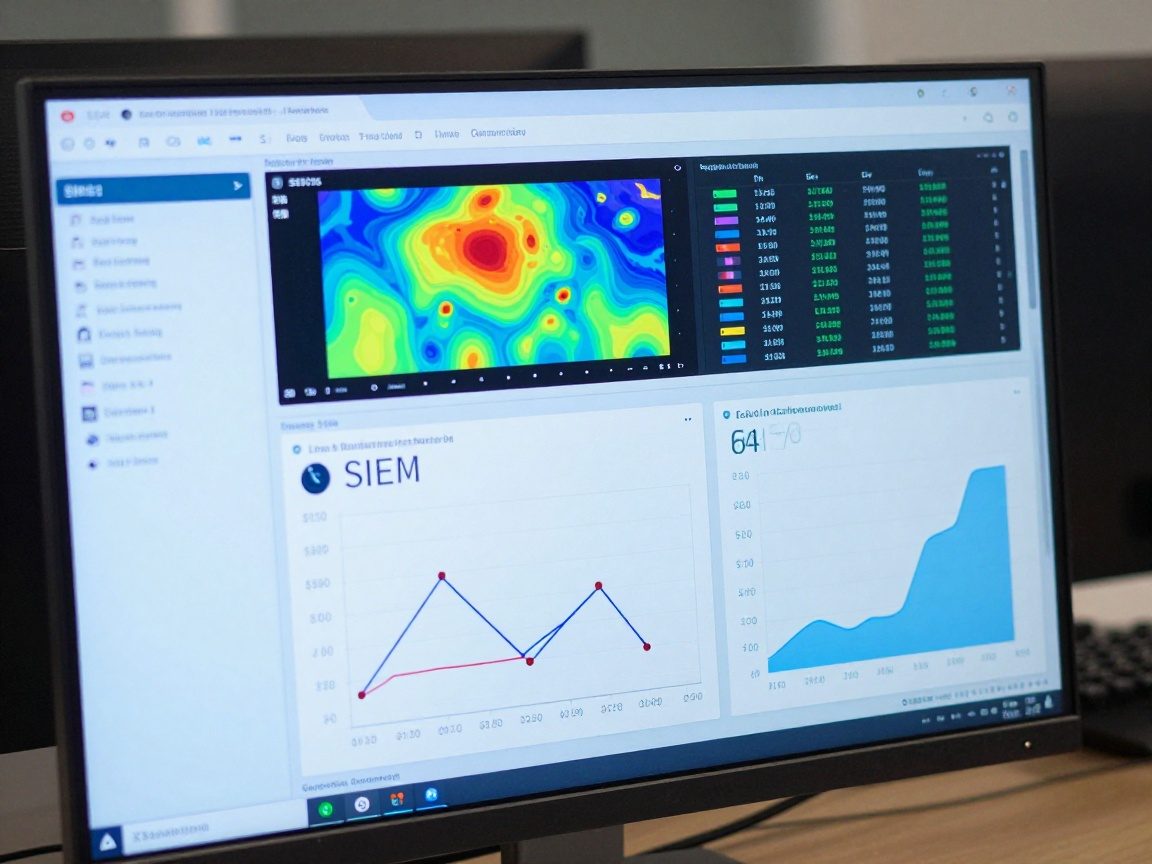
A SIEM is a central hub for security monitoring. It collects and analyzes log data from various sources, such as servers, firewalls, and intrusion detection systems. The SIEM correlates events, detects anomalies, and generates alerts.
Implementing a SIEM involves selecting the right tool, configuring log collection and analysis rules, and setting up alerts for suspicious activity. The system also requires someone to monitor alerts and investigate suspicious activity. This will provide a clear view of the security posture.
Analyzing the Footprints: Log Analysis and Threat Detection
Log analysis is like detective work, where you sift through logs to uncover clues about security events. It involves examining log data to identify suspicious activity, such as unauthorized access attempts, malicious code execution, or data exfiltration.
This process includes using various tools and techniques, such as log aggregation, pattern matching, and anomaly detection, to analyze log data. Investigating security alerts, conducting incident response, and improving security policies based on findings are all part of this process. Log analysis is also important for helping with compliance requirements.
Access Control and Identity Management: Who Gets the Keys?
Managing access and identities is about defining who gets to do what on your systems. You have to make sure that the right people have the right access, and that unauthorized access is blocked. This is achieved through access control and identity management.
Managing Access: Role-Based Access Control (RBAC)
RBAC is a powerful method for controlling access to resources. It involves assigning users to roles based on their job functions. This approach means that instead of assigning permissions to individual users, you assign them to roles.
When setting up RBAC, you must identify the different roles in your organization and the permissions required for each role. This includes creating users and assigning them to the proper roles, regularly reviewing role assignments, and modifying permissions as needed. This will help ensure that only authorized users have access to specific resources.
Identity is Key: Multi-Factor Authentication (MFA) and Strong Authentication
MFA is a critical security measure. It requires users to provide multiple forms of verification to prove their identity. Common factors include something you know (password), something you have (security token), or something you are (biometrics).
Implementing MFA involves choosing a suitable MFA solution, such as a hardware token, an authenticator app, or biometric authentication. MFA should be used for all privileged accounts and, where possible, for all user accounts. This will help to make your systems more secure.
Data Security and Compliance: Protecting the Crown Jewels
Data security is about protecting sensitive information from unauthorized access, use, disclosure, disruption, modification, or destruction. This also involves meeting relevant compliance requirements.
Data Loss Prevention: Safeguarding Sensitive Information
Data Loss Prevention (DLP) involves implementing measures to prevent sensitive data from leaving your organization. This includes using technologies such as data encryption, data masking, and data loss prevention software. DLP tools can monitor data in transit, at rest, and in use.
Implementing DLP requires identifying sensitive data, such as personally identifiable information (PII) and intellectual property. You will also need to configure DLP policies to protect this data. Regular monitoring and enforcement of DLP policies are essential to ensure that data is protected.
Navigating the Regulatory Landscape: Compliance and Data Privacy
Compliance involves adhering to relevant regulations and standards, such as GDPR, HIPAA, or PCI DSS. These regulations often require specific security measures, such as data encryption, access controls, and incident response plans.
Compliance requires understanding the regulatory requirements that apply to your organization, implementing the necessary security controls, and regularly auditing your systems to ensure compliance. Keeping up to date with any changes to the regulations is also essential. A commitment to data privacy helps maintain trust with customers.
Security Awareness and Training: The Human Firewall
Humans are often the weakest link in the security chain. That’s why security awareness and training are so important. Educating your workforce about security risks and best practices is essential to building a security-conscious culture.
Educating the Workforce: Security Awareness Programs
Security awareness programs are designed to educate employees about security risks and how to mitigate them. These programs can include regular training sessions, phishing simulations, and newsletters.
Developing a security awareness program requires identifying key security risks and vulnerabilities. You must also create training materials, such as presentations, videos, and quizzes. It is also important to implement ongoing training and awareness activities to keep employees informed.
Building a Security-Conscious Culture
Building a security-conscious culture requires a shift in mindset. This involves encouraging employees to report security incidents, promoting a culture of continuous learning, and integrating security into everyday work practices.
Promoting a security-conscious culture includes fostering a culture of openness and trust, where employees feel comfortable reporting security incidents. It means celebrating security achievements and recognizing employees who contribute to the security of the organization. Building a security-conscious culture is a continuous process that requires commitment from both the leadership and the workforce.
Conclusion: The Never-Ending Vigil
As System Administrators, your role in security management is far from simple. It’s a challenging but rewarding journey that demands constant learning, adaptation, and a proactive approach. By embracing these principles and dedicating yourself to continuous improvement, you can build a resilient digital fortress and protect your organization from the ever-evolving cyber threats. The work never ends, but the rewards – the security, the trust, and the peace of mind – are well worth the effort.
FAQs
-
What is the most critical aspect of security management for a System Administrator?
A strong foundation of security policies and regular vulnerability management are incredibly crucial. However, consistent vigilance and proactive monitoring form the heart of effective security. -
How often should we review and update security policies?
Security policies should be reviewed at least annually, and updated more frequently if there are significant changes in the threat landscape or the organization’s IT infrastructure. -
What are the best tools for vulnerability scanning?
Tools like Nessus, OpenVAS, and the built-in scanners in operating systems are popular choices. The best tool depends on the size and complexity of your network. -
What are some essential elements of an incident response plan?
An incident response plan should define roles and responsibilities, communication protocols, escalation procedures, and containment and recovery steps. It should also include procedures for investigating and learning from incidents. -
How can I improve employee security awareness?
Regular training, phishing simulations, clear security policies, and promoting a culture of reporting security incidents are all important. Gamification and incentives can also be effective.