
table of contents
The Head of Infrastructure Operations: Architect of the Digital Fortress
In today’s interconnected world, data is king, and the network is the kingdom’s lifeline. Protecting this kingdom falls squarely on the shoulders of the Head of Infrastructure Operations (HIO). This pivotal role is more than just a job; it’s a complex orchestration of technology, people, and strategy. The HIO is the architect, the engineer, and the guardian, all rolled into one, responsible for ensuring the smooth, secure, and efficient operation of an organization’s entire IT infrastructure. They’re the unsung heroes keeping the digital world running, a constant presence in the background. The demands of an HIO require knowledge across all areas of IT infrastructure.
What Exactly Does an HIO Do? Unpacking the Role
So, what does a Head of Infrastructure Operations actually do? In a nutshell, they’re responsible for the design, implementation, and ongoing management of an organization’s IT infrastructure. This includes everything from the physical servers and network devices to the cloud services and security systems. The HIO oversees a team of IT professionals, manages budgets, and ensures that the infrastructure meets the business’s needs while maintaining a secure environment. It is a fast-paced role that demands that the HIO is a problem solver, a strategic thinker, and a strong leader. You are constantly adapting and innovating to keep your company ahead of the curve.
Network Infrastructure Management: The Backbone of Connectivity
Think of the network as the circulatory system of a business. It’s the essential conduit for all data, communication, and operations. The HIO is in charge of this critical system, ensuring it is always robust, reliable, and optimized for performance. Without a well-maintained network, the entire business grinds to a halt. Their role ensures that employees have access to the data and resources they need to be productive.
Core Network Components: Switches, Routers, and Firewalls
The HIO oversees the core components that make up the network. Switches route traffic within the local network, routers connect the local network to the internet, and firewalls act as the gatekeepers, protecting the network from external threats. The HIO selects, configures, and manages these devices, ensuring they are up-to-date with the latest security patches and software updates. Regularly reviewing and updating network configurations is a crucial aspect of an HIO’s duties.
Network Monitoring and Performance Tuning
Constant vigilance is the name of the game. The HIO must implement robust network monitoring systems to proactively identify and address performance bottlenecks. This can involve analyzing network traffic, identifying slow-running applications, and optimizing network configurations to ensure optimal performance. It’s about anticipating problems before they disrupt operations. By monitoring the network closely, the HIO can resolve issues before they affect the business.
Security Operations: Defending Against Digital Threats
In today’s threat landscape, a robust security posture is non-negotiable. The HIO is a key player in the security operations of the organization, responsible for implementing and maintaining security protocols, responding to incidents, and managing vulnerabilities. This is an ever-evolving battle. The HIO must stay ahead of the latest threats and implement the necessary security measures to protect the company’s valuable data and systems.
Implementing and Maintaining Security Protocols
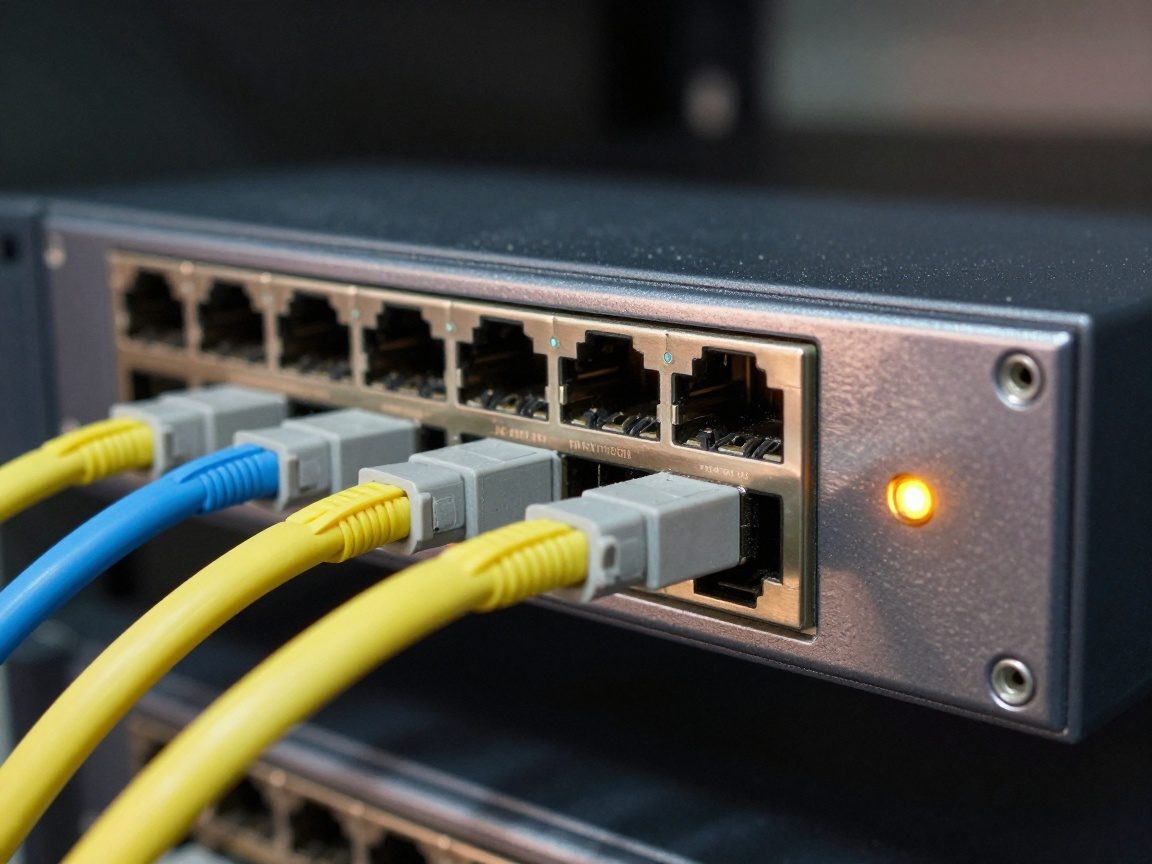
This includes a range of security measures, such as firewalls, intrusion detection and prevention systems, and access control mechanisms. The HIO ensures these protocols are properly configured, regularly updated, and consistently enforced. The goal is to create a secure environment that minimizes the risk of cyberattacks and data breaches. Every measure should be reviewed constantly so that they provide protection against all the relevant threats.
Incident Response and Management
When a security incident occurs, the HIO is the first responder. They lead the investigation, contain the damage, and implement the necessary recovery measures. This requires a well-defined incident response plan, skilled personnel, and the ability to act decisively under pressure. Quick and effective responses minimize the impact of security incidents and help protect the organization’s reputation. The rapid response ensures that any breach is not able to have a serious impact.
Vulnerability Management
Vulnerabilities are like open doors in a building; they are weaknesses in systems and software that attackers can exploit. The HIO is responsible for identifying, assessing, and mitigating these vulnerabilities. This involves regular vulnerability scans, patching systems, and implementing security controls to reduce the risk of exploitation. Proactive vulnerability management is a critical part of a strong security posture. This helps to identify and address vulnerabilities before the attackers can do so.
Capacity Planning and Optimization: Staying Ahead of the Curve
As businesses grow, so does their demand for IT resources. The HIO must anticipate these needs and ensure the infrastructure can handle the increasing workload. This involves planning for future capacity, optimizing existing resources, and making strategic investments in new technologies. You have to look ahead and ensure that the infrastructure can scale with the business.
Forecasting Future Needs
Accurately predicting future capacity needs is crucial. The HIO analyzes historical data, current trends, and business forecasts to estimate the demand for IT resources. This helps them plan for upgrades, expansions, and other infrastructure investments. It is essential to have a reliable forecast to ensure there is enough infrastructure.
Resource Allocation and Efficiency
The HIO ensures that IT resources are used efficiently, and that the organization is maximizing the return on its infrastructure investments. This may involve optimizing server utilization, implementing virtualization technologies, and adopting cloud services. Resource optimization helps to reduce costs and improve performance. It can also involve implementing new tools to use existing resources more efficiently.
Disaster Recovery and Business Continuity: Preparing for the Unexpected
No matter how carefully you plan, disasters happen. The HIO is responsible for ensuring the organization can recover quickly and effectively from unforeseen events, such as natural disasters, cyberattacks, and hardware failures. Having a plan in place is more critical than ever because business continuity ensures minimal disruption.

Developing and Testing Disaster Recovery Plans
The HIO develops and maintains comprehensive disaster recovery plans that outline the steps to take in the event of an outage. These plans are regularly tested and updated to ensure they are effective and aligned with the latest business requirements. The testing of the plans is important because they need to be accurate and up-to-date.
Data Backup and Recovery Strategies
Data is the lifeblood of any organization. The HIO implements robust data backup and recovery strategies to protect critical data from loss. This includes regular backups, offsite data storage, and the ability to restore data quickly and efficiently. The data needs to be secure so that the business can recover quickly and completely.
Vendor Management: Building Strategic Partnerships
The HIO rarely operates in a vacuum. They often work with a network of vendors, from hardware providers to software developers to managed service providers. The HIO’s expertise is required to ensure effective vendor relationships. Good vendor relations are essential for getting the best possible value and service.
Vendor Selection and Negotiation
The HIO is responsible for selecting and negotiating with vendors. They identify vendors that meet the organization’s needs, evaluate their offerings, and negotiate favorable contracts. They need to be aware of market trends and their specific business needs to maximize value.
Service Level Agreement (SLA) Management
Service Level Agreements (SLAs) define the level of service a vendor is expected to provide. The HIO monitors vendor performance against SLAs, ensuring that vendors meet their obligations. They also work with vendors to resolve any performance issues. The business relies on the service, so these need to be closely monitored.
Team Management and Development: Nurturing Talent
The HIO doesn’t work alone. They lead a team of IT professionals, fostering a collaborative and productive work environment. This is all about building the best team possible. The success of the HIO is measured in part by the success of their team.

Building a High-Performing Team
The HIO is responsible for hiring, training, and mentoring IT staff. They build a team with diverse skills and experience, ensuring that the team has the resources and support they need to succeed. It’s about creating an atmosphere where people want to learn.
Training and Skill Development
Technology evolves rapidly, so continuous learning is essential. The HIO encourages and supports training and development for their team, ensuring that team members have the skills they need to stay current with the latest technologies. They are often on the lookout for online training courses and in-person seminars that will help their team stay up-to-date.
Staying Updated on Industry Trends: The Continuous Learner
The technology landscape is constantly evolving, so an HIO must be a continuous learner. They stay up-to-date on the latest trends and technologies in networking, security, and infrastructure management. Learning new things is part of the job. Keeping up with the changing landscape allows the HIO to implement the best possible solutions for the business.
Cybersecurity Trends
Cyber threats are constantly evolving. The HIO needs to be aware of the latest threats, vulnerabilities, and security best practices. They stay informed through industry publications, conferences, and training. The focus on cybersecurity helps to secure the systems and data from harm.
Networking Technologies and Innovations
The network is constantly evolving. The HIO needs to stay informed about new networking technologies, such as software-defined networking (SDN), network automation, and cloud networking. They need to understand the impact of these technologies on the organization’s infrastructure. The business needs to stay on top of all the latest technologies in order to remain competitive.
The HIO’s Influence: Shaping the Future of IT
The HIO is more than just a manager; they are an influencer, shaping the organization’s IT strategy and driving innovation. They work closely with other departments to understand their needs and ensure that IT services align with business goals. The HIO helps the company take advantage of the latest technologies to gain a competitive edge.
Conclusion: The Multifaceted Role of the HIO
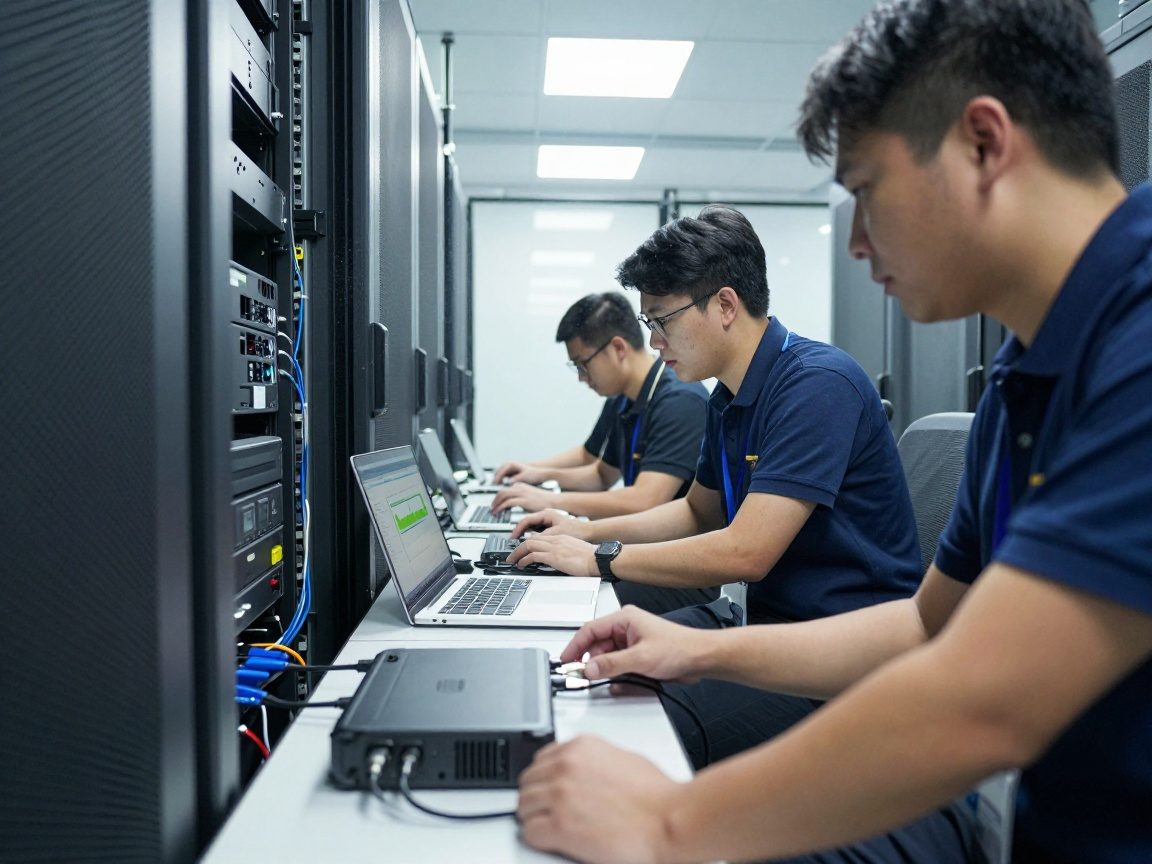
The Head of Infrastructure Operations is a vital role in any organization that relies on technology. They are the protectors of the digital kingdom. Their responsibilities are wide-ranging, from network management and security to capacity planning and vendor management. The HIO is a leader, a strategist, and a problem-solver, responsible for ensuring that the IT infrastructure is secure, reliable, efficient, and aligned with business goals. They are the backbone of modern IT. Their ability to adapt, learn, and lead is what makes them indispensable in today’s tech-driven world.
FAQs
What are the typical qualifications for a Head of Infrastructure Operations?
Usually, a bachelor’s degree in Computer Science, Information Technology, or a related field is required. Many HIOs have advanced certifications like CISSP, PMP, or ITIL. Experience is key, with several years in IT infrastructure management and leadership roles. A good candidate will have a strong understanding of networking, security, cloud computing, and project management.
What are the biggest challenges facing an HIO today?
The biggest challenges often include the ever-increasing complexity of IT environments, the constant threat of cyberattacks, the pressure to optimize costs while maintaining high performance, and the need to keep up with rapid technological changes. Balancing these competing demands is key. The goal is to maintain the technology while also adapting to change.
How does the HIO collaborate with other departments?
The HIO collaborates with many departments, including the CIO, IT security, and development teams, to understand their needs and ensure alignment with business goals. They work closely with the finance department for budgeting and with the HR department for staffing. Effective communication and collaboration are essential for success. Communication helps to deliver the right solution.
What are some key performance indicators (KPIs) for an HIO?
KPIs might include network uptime, mean time to repair (MTTR) for incidents, security incident response time, the cost of IT infrastructure per user, and successful completion of IT projects. These metrics help measure the effectiveness of the IT infrastructure and the performance of the team. Using KPIs helps to maintain stability in the IT infrastructure.
What skills are most important for an HIO to possess?
Strong leadership, technical expertise, strategic thinking, excellent communication, problem-solving abilities, and the ability to manage budgets and vendors. They need to be able to prioritize tasks, delegate responsibilities, and motivate their team. Building the team is also one of the most important things.