table of contents
The Research Scientist’s World: A Deep Dive into Modeling & Simulation
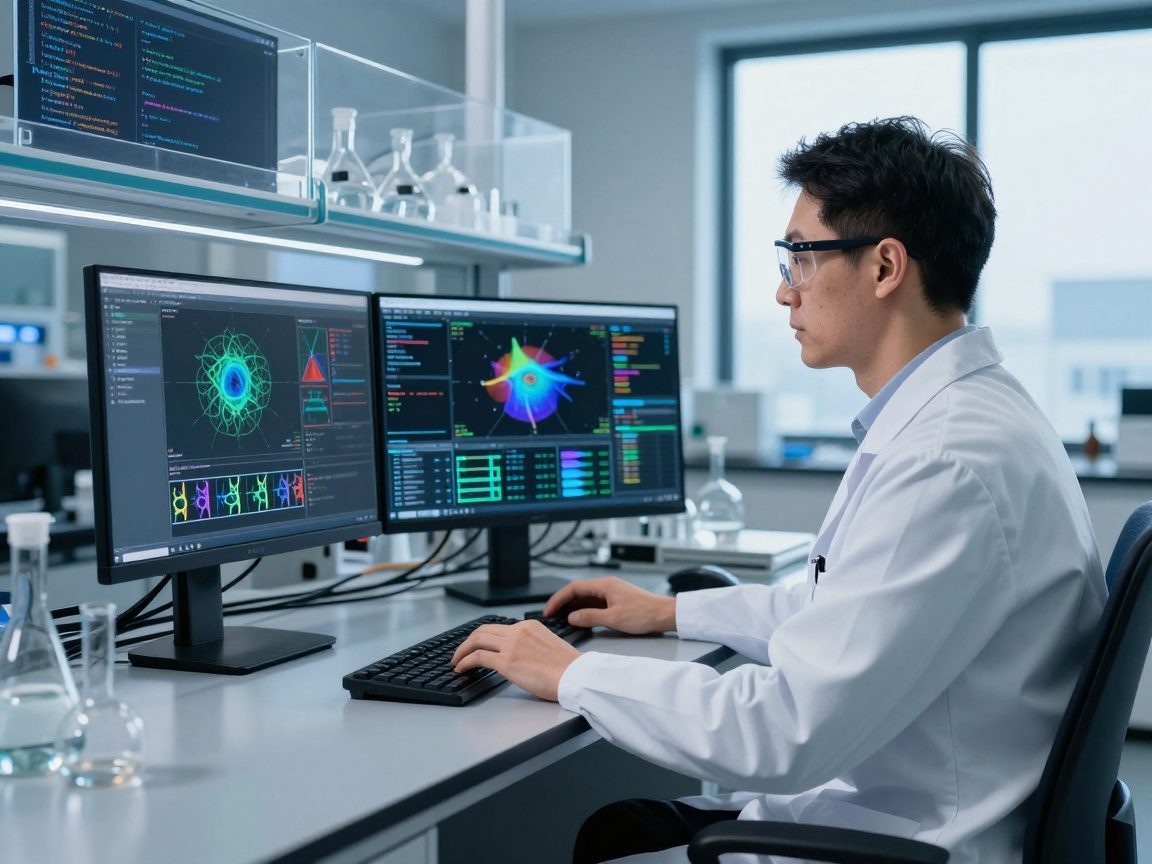
Hey there, future-thinking folks! Have you ever wondered how we can predict the future, test impossible scenarios, and design solutions to complex problems without ever leaving our desks? Well, the answer lies in the fascinating world of Modeling & Simulation (M&S). This isn’t just some futuristic fantasy; it’s a powerful set of tools and techniques that are transforming research and innovation across every industry you can think of. Today, we’re going to dive deep into what M&S is all about, particularly focusing on the essential role of the Research Scientist who is at the very heart of this exciting field.
What is Modeling & Simulation?
Let’s start with the basics. Modeling & Simulation is the process of creating simplified representations of real-world systems, processes, or phenomena. These representations, or models, are then used to simulate the behavior of the system under various conditions. Think of it like building a virtual laboratory where you can experiment and explore without the constraints of reality.
A Brief History of Modeling and Simulation
The roots of M&S can be traced back centuries. Early examples include using mechanical devices to predict the movement of celestial bodies. The development of computers in the mid-20th century revolutionized the field, allowing for much more complex and detailed simulations. Now, we have the power of supercomputers and sophisticated software that can model everything from the human body to entire economies.
Why is Modeling & Simulation Important?
So, why should you care about M&S? Well, the benefits are immense. It allows researchers to:
- Test hypotheses: Experiment with different ideas in a safe and controlled environment.
- Predict outcomes: Anticipate the behavior of complex systems.
- Reduce costs: Avoid expensive real-world experiments.
- Improve decision-making: Make informed choices based on data and analysis.
- Explore the impossible: Study scenarios that are too dangerous or impractical to test in reality.
The Research Scientist’s Role in Modeling & Simulation
Now, let’s zero in on the star of our show: the Research Scientist. They are the driving force behind all these incredible advancements. They are the architects, the innovators, the problem-solvers who bring the world of simulation to life. They’re the ones who use their scientific know-how, technical expertise, and creative thinking to push the boundaries of what’s possible.
Key Responsibilities and Tasks
A Research Scientist in M&S has a diverse and dynamic role. Their responsibilities can vary depending on their specific area of expertise, but some core tasks include:
- Developing and validating simulation models.
- Designing and conducting simulation experiments.
- Analyzing and interpreting simulation results.
- Collaborating with domain experts.
- Staying updated on the latest M&S techniques.
- Disseminating research findings.
Let’s explore each of these tasks in detail, shall we?

Developing and Validating Simulation Models
This is where the magic begins! A Research Scientist starts by creating a mathematical or computational model that represents a real-world system. This can range from a simple equation to a complex, multi-layered simulation involving thousands of variables.
Understanding Model Types: Conceptual vs. Computational
There are various types of models, each with its strengths and weaknesses. Conceptual models help you structure your understanding of a system, and computational models simulate the system behavior using computer algorithms. The Research Scientist will choose the right model type depending on the complexity and goals of the project.
The Art of Validation: Ensuring Accuracy and Reliability
Building a model is only the first step. The scientist must rigorously validate the model to ensure that it accurately reflects reality. This involves comparing simulation results to real-world data and adjusting the model until it is accurate and reliable. This is a critical step, like making sure your map correctly reflects the terrain you are about to navigate.
Designing and Conducting Simulation Experiments
Once the model is built and validated, the fun begins – designing and running simulation experiments. This is where researchers put their models to the test, exploring different scenarios and gathering data.
Setting up the Experiment: Defining Parameters and Scenarios
Just like in a real-world experiment, the Research Scientist must carefully define the parameters and scenarios to be tested. This includes determining the inputs, outputs, and control variables. They might be tweaking different settings to see how the system behaves in various conditions, much like a video game designer carefully balancing each level for the best player experience.
Running the Simulation: Data Collection and Execution
After setting up the experiment, it’s time to run the simulation. This involves executing the model and collecting data on the system’s behavior. The amount of data generated can be enormous, requiring sophisticated tools and techniques for analysis. The scientist sets the simulation in motion and lets the computer crunch the numbers to find patterns, correlations, and insights.
Analyzing and Interpreting Simulation Results
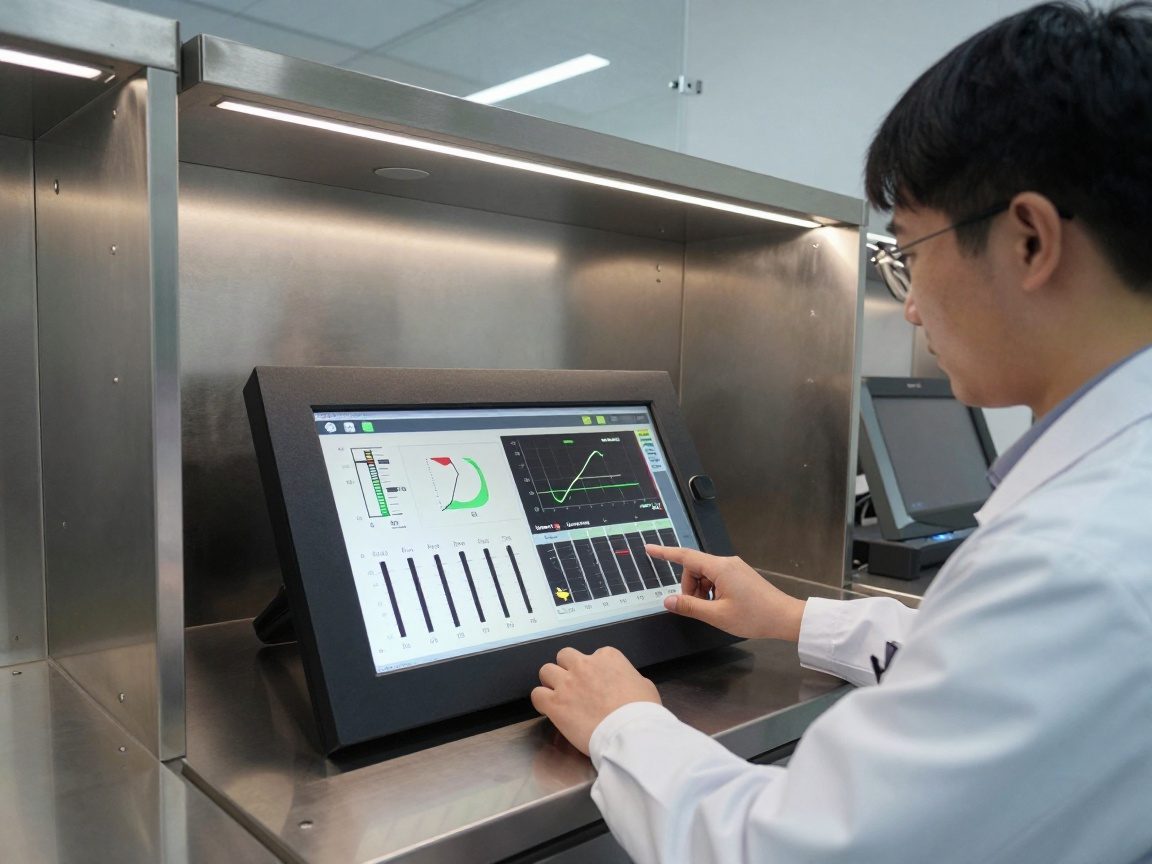
After running the simulation, the Research Scientist digs into the data to find meaning and insights. This is where they turn raw numbers into valuable knowledge.
Data Analysis: Finding Patterns and Insights
Analyzing simulation results often involves using statistical methods, data visualization techniques, and other analytical tools. The scientist looks for trends, patterns, and anomalies that can help them understand the system and make predictions. It’s like being a detective, piecing together clues to solve a complex mystery.
Communicating Findings: Turning Data into Knowledge
Once the data is analyzed, the Research Scientist must communicate their findings effectively. This may involve writing reports, presenting findings at conferences, or creating visualizations to share with others. It is crucial to translate complex data into actionable insights.
Collaborating with Domain Experts
M&S is rarely a solo endeavor. The Research Scientist often collaborates with experts from different fields to ensure that the models are accurate and relevant.
The Importance of Interdisciplinary Teams
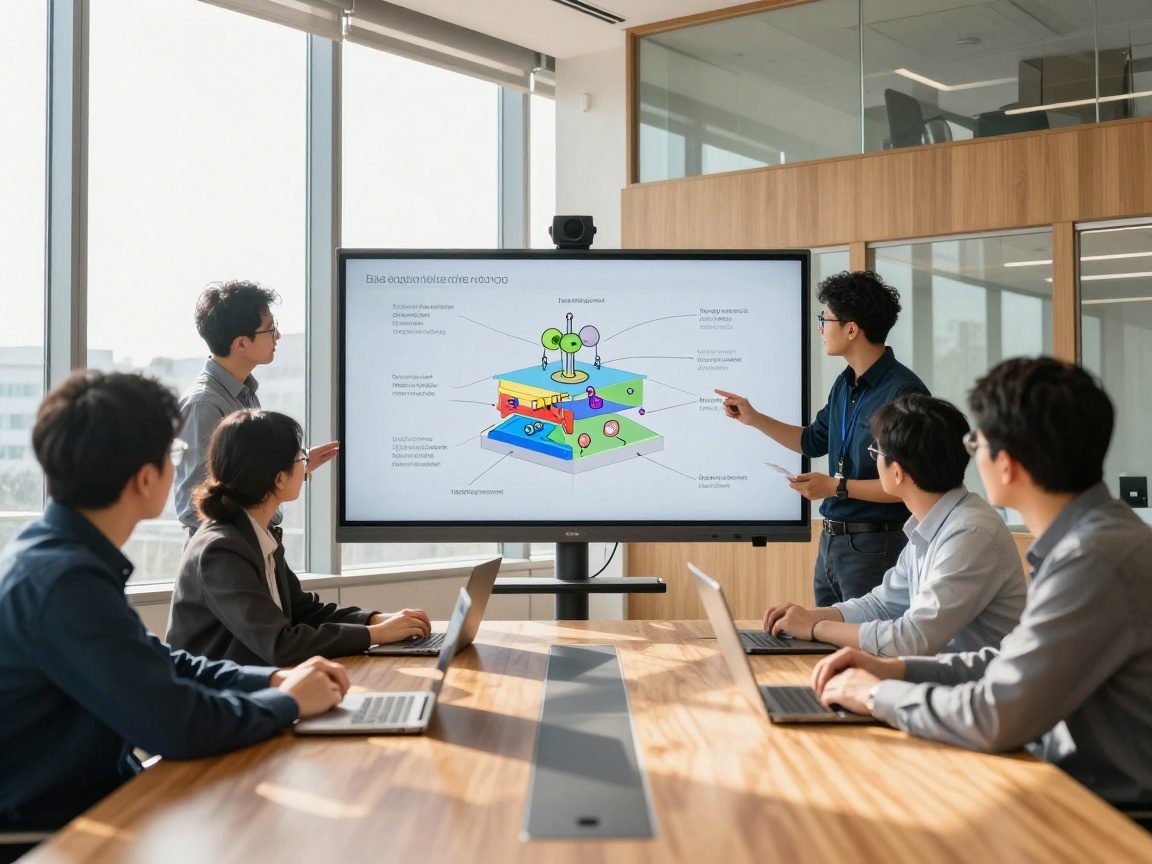
Modeling a complex system often requires experts in fields like engineering, biology, economics, and computer science. Working with interdisciplinary teams allows the scientist to incorporate diverse perspectives and expertise into their work. It’s like assembling a dream team of specialists to tackle a complex challenge.
Effective Communication and Knowledge Sharing
Effective communication is key to successful collaboration. The Research Scientist needs to be able to explain complex concepts clearly and concisely to colleagues from different backgrounds. Sharing knowledge and ideas fosters a collaborative environment, driving innovation and discovery.
Staying Updated on Modeling & Simulation Techniques
The field of M&S is constantly evolving. Research Scientists must continuously learn and adapt to keep their skills sharp and relevant.
Continuous Learning: Keeping Skills Sharp
They do this by attending conferences, reading academic journals, and taking online courses to learn about new techniques and technologies. It’s a never-ending journey of learning and discovery, much like software development, with an endless stream of new coding languages and frameworks.
Emerging Trends: The Future of M&S
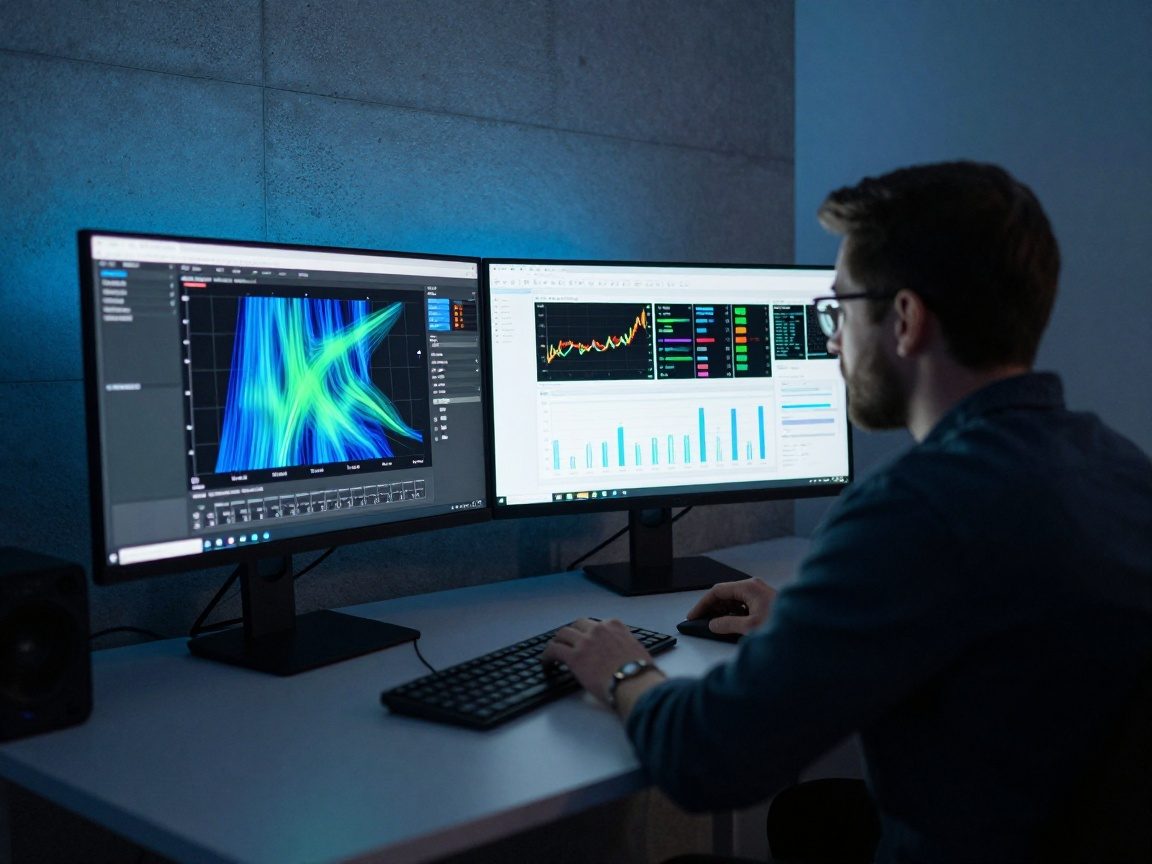
The Research Scientist must also stay aware of emerging trends like artificial intelligence, machine learning, and cloud computing, which are revolutionizing M&S. Staying ahead of these trends helps them stay at the cutting edge of their field.
Disseminating Research Findings
Sharing the results of their research is an essential part of the Research Scientist’s job. It’s how they contribute to the collective body of knowledge and help others learn.
Publishing in Journals and Conferences
Scientists often publish their findings in peer-reviewed journals and present their work at conferences. These activities help to validate their research and share it with the broader scientific community.
Sharing Knowledge with the Broader Community
Beyond the scientific community, Research Scientists may also share their knowledge with the general public through blogs, articles, and public talks. This helps to raise awareness and educate people about the importance of M&S.
Tools and Technologies for Research Scientists
The Research Scientist relies on a variety of tools and technologies to perform their work, from software to programming languages.
Software and Platforms: Building the Right Toolkit
There is a wide range of software and platforms available, each designed for different types of simulations. Choosing the right toolkit depends on the specific project requirements. The right set of tools is as important as the expertise of the user.
Programming Languages: The Code of the Simulation World
Proficiency in programming languages like Python, C++, and MATLAB is often required to build and run simulations. These languages allow scientists to create and manipulate models, analyze data, and visualize results.
The Impact of Modeling & Simulation on the Future
M&S is not just a tool for scientists; it’s shaping the future in profound ways.
Applications Across Industries
From healthcare to aerospace, M&S is being used to solve complex problems, optimize processes, and drive innovation. It helps in designing everything from new medicines to safer aircraft.
Ethical Considerations and Responsible Innovation
As M&S becomes more powerful, it is important to consider the ethical implications. Researchers must be mindful of potential biases in their models and ensure that their work is used responsibly. This is about ensuring these technologies are used for good, rather than any kind of harm.
Conclusion: The Future is Simulated: Embracing Modeling & Simulation
So, there you have it! The Research Scientist in Modeling & Simulation is a key player in a field that’s constantly pushing the boundaries of what’s possible. They’re the creative thinkers, problem-solvers, and innovators who are shaping our future. As technology continues to advance, we can expect M&S to become even more powerful and impactful. The journey of a Research Scientist is a challenging yet rewarding one. If you’re passionate about science, technology, and solving real-world problems, then a career in M&S might be the perfect fit for you. Embrace the power of simulation, and get ready to shape the future!
FAQ
-
What skills are most important for a Research Scientist in Modeling & Simulation?
A strong foundation in mathematics, statistics, computer science, and a relevant domain (e.g., engineering, biology) is crucial. Excellent problem-solving, analytical, and communication skills are also essential. A passion for lifelong learning helps too! -
What are some of the biggest challenges in Modeling & Simulation?
Creating accurate models, managing the complexity of large-scale simulations, dealing with uncertainties, and the ethical considerations of AI are all challenges. Effectively communicating results can also be difficult. -
What kind of education is typically required for a career in this field?
Most positions require at least a Master’s degree or a Ph.D. in a relevant field like engineering, computer science, physics, or a related scientific discipline. A solid understanding of mathematics and computer programming is also vital. -
How can I get started in the field of Modeling & Simulation?
Start by taking relevant courses in mathematics, computer science, and your area of interest. Gain experience through internships, research projects, and personal projects. Network with professionals in the field and stay updated on the latest trends. -
What are some of the most exciting advancements in M&S right now?
AI and machine learning are being integrated into M&S to create more realistic models and automate analysis. Cloud computing is enabling large-scale simulations, and virtual and augmented reality technologies are enhancing the visualization of results. There are new areas for research and development every day.