
table of contents
Decoding the World: Data Analysis & Interpretation in the Realm of a Research Engineer
In today’s rapidly evolving technological landscape, data has emerged as the lifeblood of innovation and progress. Within this dynamic environment, Research Engineers play a crucial role in harnessing the power of data to drive groundbreaking discoveries and develop cutting-edge solutions. Data analysis and interpretation are no longer just supplementary skills; they are fundamental pillars supporting their work. Data analysis and interpretation are essential for Research Engineers to derive meaningful insights, make informed decisions, and propel advancements in various scientific and engineering disciplines. As a Research Engineer, your ability to extract knowledge from data is what truly sets you apart.
The Research Engineer’s Data-Driven Universe
The role of a Research Engineer has undergone a significant transformation. The core focus has shifted from simply conducting experiments and gathering results to skillfully navigating and extracting insights from complex datasets. You are essentially data detectives, tasked with piecing together intricate puzzles. This shift necessitates a comprehensive understanding of data analysis and interpretation techniques, ensuring that research endeavors are both rigorous and insightful. This is not just a trend; it’s the present and the future.
Core Responsibilities in the Data Realm
-
Understanding the Scope of Data Analysis:
Data analysis encompasses a wide array of processes, from data collection and preparation to exploratory analysis, modeling, visualization, and communication. Each step is crucial to translate raw information into actionable insights. Research Engineers need to understand the full spectrum to leverage data effectively. -
Impact of Data Analysis:
The impact of effective data analysis is immeasurable. It drives innovation, optimizes processes, identifies new opportunities, and enhances decision-making. Research Engineers use it to answer complex questions, test hypotheses, and develop cutting-edge solutions that have real-world impacts.
Phase 1: Laying the Foundation – Data Collection and Preparation
Before you can build anything, you need a solid foundation. For a Research Engineer, that foundation is the data itself. The initial phase focuses on gathering the right data and preparing it for analysis. This involves careful planning and execution.
The Quest for Data: Collection Strategies
The quality of your data is directly linked to the quality of your insights. Therefore, effective data collection is paramount.
-
Sources of Data:
Research Engineers gather data from numerous sources, including experimental setups, sensors, databases, and public datasets. Understanding how to extract data from these sources is vital, often involving programming skills in languages like Python or R to interact with various APIs and databases. You need to be versatile in data collection strategies. -
Tools and Techniques:
Tools like data acquisition systems, web scraping techniques (for extracting data from websites), and APIs (Application Programming Interfaces) are essential. Choosing the right method depends on the specific requirements of the research. A well-planned data collection strategy is a prerequisite for any successful project.
Scrubbing the Dirt: Data Preparation Techniques
Raw data is rarely ready for direct analysis. It often contains errors, inconsistencies, and missing values that must be addressed.
-
Cleaning and Formatting Data:
This process involves correcting errors, standardizing formats, and ensuring data consistency. Techniques like data validation and data transformation are crucial. Think of it as refining the ingredients before cooking. -
Handling Missing Values and Outliers:
Missing values must be addressed through techniques like imputation (filling in missing values using statistical methods) or removing incomplete records. Outliers, values that significantly deviate from the norm, can distort analyses and must be identified and handled appropriately (e.g., by trimming, winsorizing, or transforming the data).
Phase 2: Unveiling Insights – Exploratory Data Analysis (EDA)
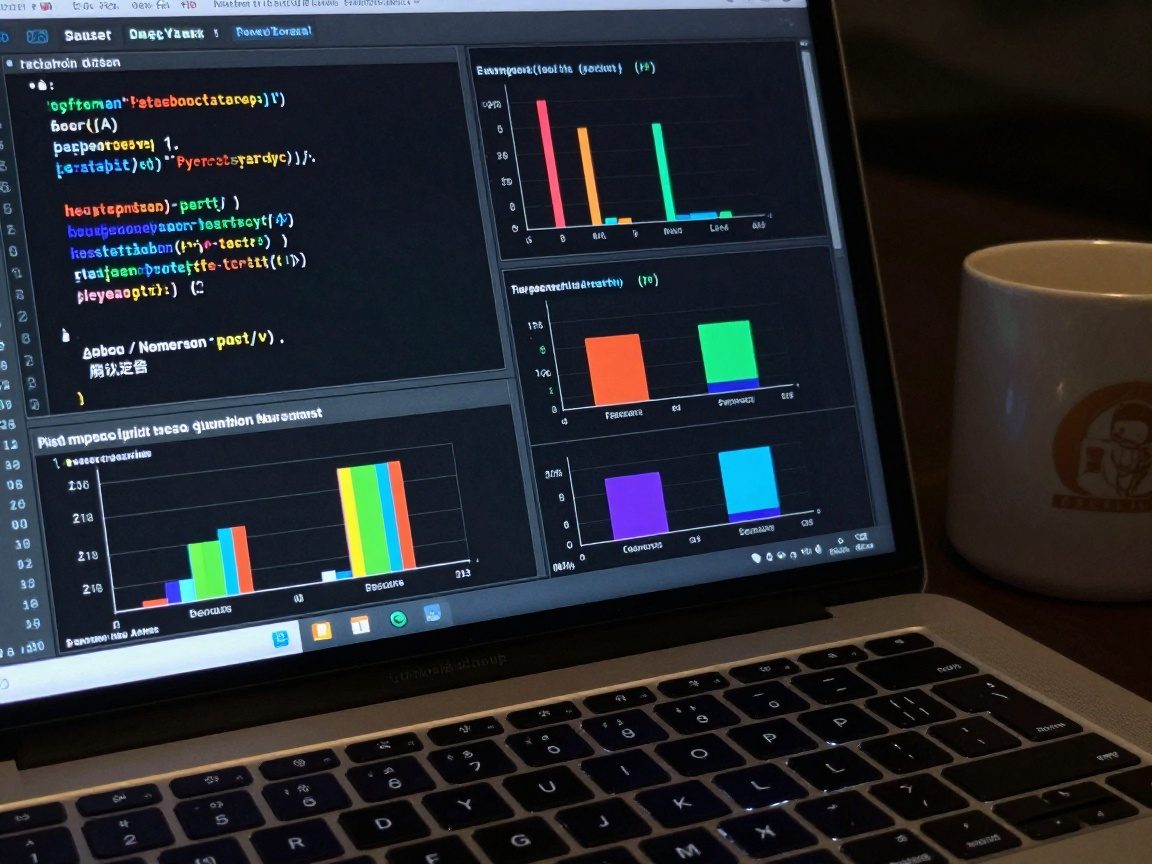
Once the data is prepared, the fun begins. Exploratory Data Analysis (EDA) is a crucial step where you get your first real glimpse into the data’s hidden depths.
Diving Deep: The Essence of EDA
EDA is essentially about understanding your data. It’s the process of summarizing the main characteristics of a dataset through visual and statistical methods.
-
Understanding the Importance of EDA:
EDA helps you discover patterns, detect anomalies, test hypotheses, and check assumptions, all of which are critical for informing the subsequent stages of your analysis. -
Techniques and Tools:
Tools like Python (with libraries like Pandas, NumPy, Matplotlib, and Seaborn) and R (with packages like ggplot2 and dplyr) are frequently used. EDA allows you to uncover the hidden treasures of your data.
Visualizing the Unknown: EDA Techniques
Visualizations and statistical summaries are key components of EDA.
-
Univariate Analysis:
This examines each variable independently. Techniques like histograms, box plots, and summary statistics (mean, median, standard deviation) give you insights into the distribution and central tendencies of individual variables. What is the story behind each variable? -
Bivariate and Multivariate Analysis:
This explores relationships between variables. Scatter plots, correlation matrices, and techniques like cross-tabulation allow you to uncover how variables interact with each other. This phase brings together multiple data points to get the big picture.
Phase 3: Building the Story – Statistical Modeling and Analysis
After exploring the data, it’s time to build models that can describe the data, make predictions, and draw conclusions.
Shaping Narratives: Statistical Modeling
Statistical modeling involves creating mathematical representations of the data.
-
Types of Statistical Models:
Linear regression, logistic regression, time series analysis, and machine learning models are commonly used. The choice of model depends on the research question and the nature of the data. Each model tells a different story. -
Model Selection and Validation:
Selecting the correct model and validating it is crucial. Techniques like cross-validation, testing on held-out datasets, and evaluating model performance metrics (e.g., R-squared, accuracy, precision, recall) ensure the model’s reliability.

The Art of Interpretation: Statistical Analysis
Statistical analysis involves using the model to answer research questions and draw meaningful insights.
-
Hypothesis Testing and Significance:
Testing hypotheses using techniques like t-tests, ANOVA, and chi-squared tests to determine the significance of observed effects and whether they are statistically significant. -
Regression Analysis and Prediction:
Using regression models to understand the relationship between variables and make predictions. This is critical for forecasting, understanding cause-and-effect relationships, and assessing the impact of interventions.
Phase 4: Painting the Picture – Data Visualization and Communication
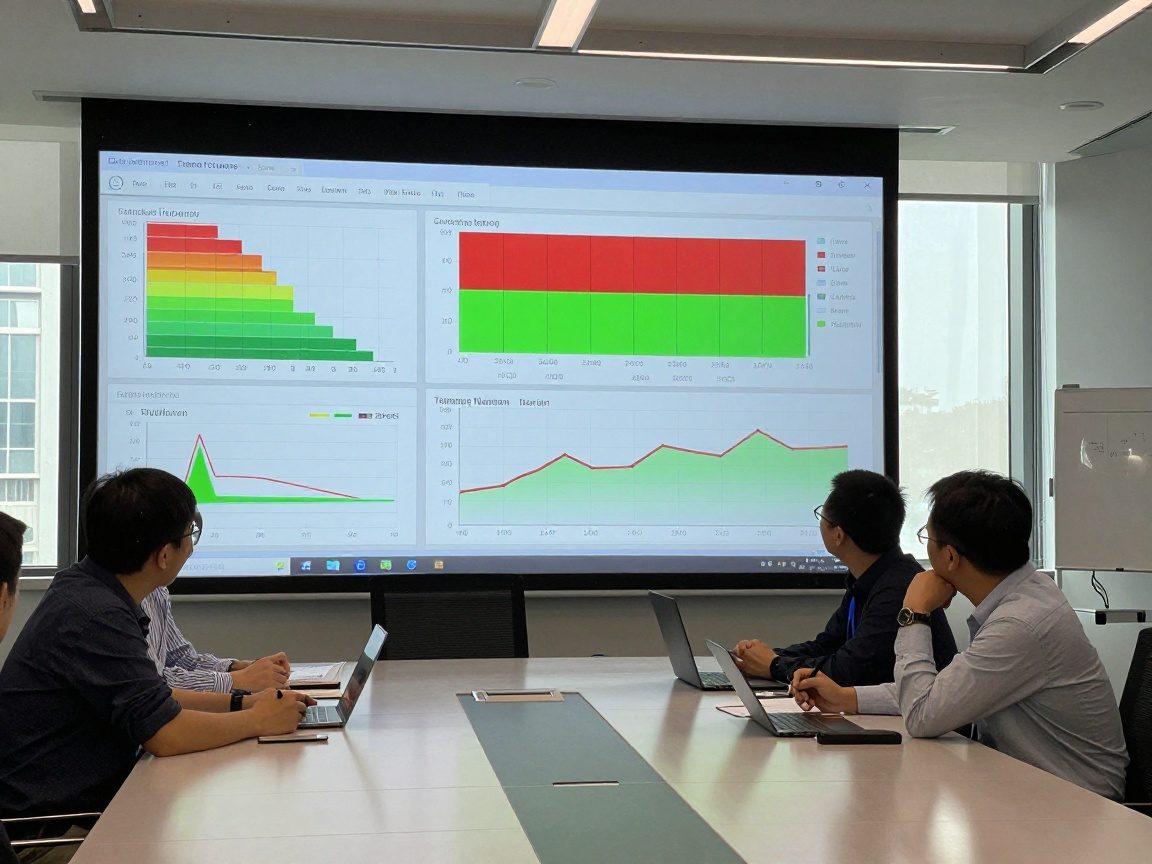
Data visualization is the art of turning complex data into clear, accessible visual representations. Communication is the ability to convey your findings to a broader audience.
The Language of Data: Visualization Principles
Effective visualizations are essential for communicating your findings clearly and persuasively.
-
Choosing the Right Visuals:
Selecting the appropriate chart type (e.g., bar charts, line graphs, scatter plots, heatmaps) depends on the data type and the message you want to convey. -
Effective Data Storytelling:
Crafting a compelling narrative around your data. You must make sure that your audience can easily understand the core message from your visualizations.
Sharing the Wisdom: Communication Techniques
Presenting your findings to both technical and non-technical audiences is essential.
-
Presenting Findings to Diverse Audiences:
Tailoring your communication style to your audience. This might involve using technical jargon for experts or simple, clear language for a general audience. -
Tools for Data Visualization and Communication:
Tools like Tableau, Power BI, Python (Matplotlib, Seaborn, Plotly), and R (ggplot2) are invaluable for creating interactive dashboards, reports, and presentations.
Phase 5: Crafting the Future – Algorithm Development and Optimization
In many research engineer roles, there’s an increasing focus on algorithm development.
Building the Engine: Algorithm Development
Developing algorithms tailored to specific research problems can unlock new insights.
-
Types of Algorithms:
You might work with machine learning algorithms, optimization algorithms, or custom algorithms. The goal is to develop computational tools. -
Algorithm Implementation:
Expertise in programming languages such as Python, Java, or C++ is crucial for implementing algorithms.
Refining the Machine: Optimization Techniques
Optimizing algorithms for performance and accuracy is critical.
-
Performance Tuning:
Optimizing code for efficiency, reducing computational time, and ensuring algorithms can handle large datasets. This may involve techniques like parallelization, vectorization, and efficient data structures. -
Model Evaluation and Improvement:
Iteratively evaluating algorithm performance, identifying areas for improvement, and refining the algorithms to achieve better results.
Phase 6: Guardians of the Realm – Data Governance and Security
As Research Engineers handle increasingly sensitive data, data governance and security become paramount.
Safeguarding the Kingdom: Data Governance
Data governance involves the policies, standards, and processes that ensure data quality, compliance, and ethical use.
-
Data Quality and Metadata Management:
Maintaining data quality involves implementing checks and processes to ensure data accuracy, completeness, and consistency. Metadata (data about data) is vital for understanding the context and provenance of the data. -
Data Ethics and Compliance:
Complying with ethical guidelines and legal regulations related to data privacy and usage. This includes obtaining informed consent, anonymizing data, and adhering to relevant laws like GDPR or HIPAA.
Fortress of Information: Data Security
Protecting data from unauthorized access, breaches, and cyber threats is essential.

-
Data Protection and Privacy:
Implementing measures like data encryption, access controls, and regular security audits to protect sensitive information. -
Tools and Technologies:
Using security tools such as firewalls, intrusion detection systems, and data loss prevention (DLP) solutions.
The Synergy of All Realms: Real-World Applications and Case Studies
The application of data analysis and interpretation in research engineering spans a wide range of fields. Consider the use cases:
-
Medical Research:
Analyzing patient data to identify patterns, develop predictive models for disease progression, and personalize treatments. -
Environmental Science:
Modeling climate change, predicting environmental hazards, and assessing the impact of human activities on ecosystems. -
Aerospace Engineering:
Analyzing flight data to optimize aircraft performance, predict system failures, and improve safety.
These examples highlight the crucial role that data analysis and interpretation play in driving advancements.
Conclusion: The Data-Driven Research Engineer
Data analysis and interpretation are no longer optional skills for Research Engineers; they are core competencies. From collecting and preparing data to building models, visualizing insights, and ensuring data governance, a Research Engineer’s ability to navigate the data landscape is what will truly define success. As technology continues to evolve, embracing these skills is essential for driving innovation, making informed decisions, and contributing to groundbreaking research. It is a must-have skill for research engineers.
FAQs
-
What are the essential programming languages for a Research Engineer in data analysis?
Python and R are indispensable, with Python being particularly popular due to its versatility and extensive libraries. -
How can I improve my data visualization skills?
Practice, experiment with different chart types, and study examples of effective visualizations. Explore tools like Tableau or Power BI for interactive dashboards. -
What are the key steps in data preparation?
Cleaning (correcting errors, standardizing formats), handling missing values (imputation or removal), and addressing outliers. -
How do I choose the right statistical model?
Consider the research question, the type of data, and the relationships you want to explore. Consult with statisticians or leverage model selection techniques. -
How do I stay current with the latest trends in data analysis and interpretation?
Follow industry blogs, attend webinars and conferences, and take online courses. Continuously learning is key to success in this field.